

Why Obasanjo says Nigeria’s refineries may never work again amid Tinubu’s revival plans

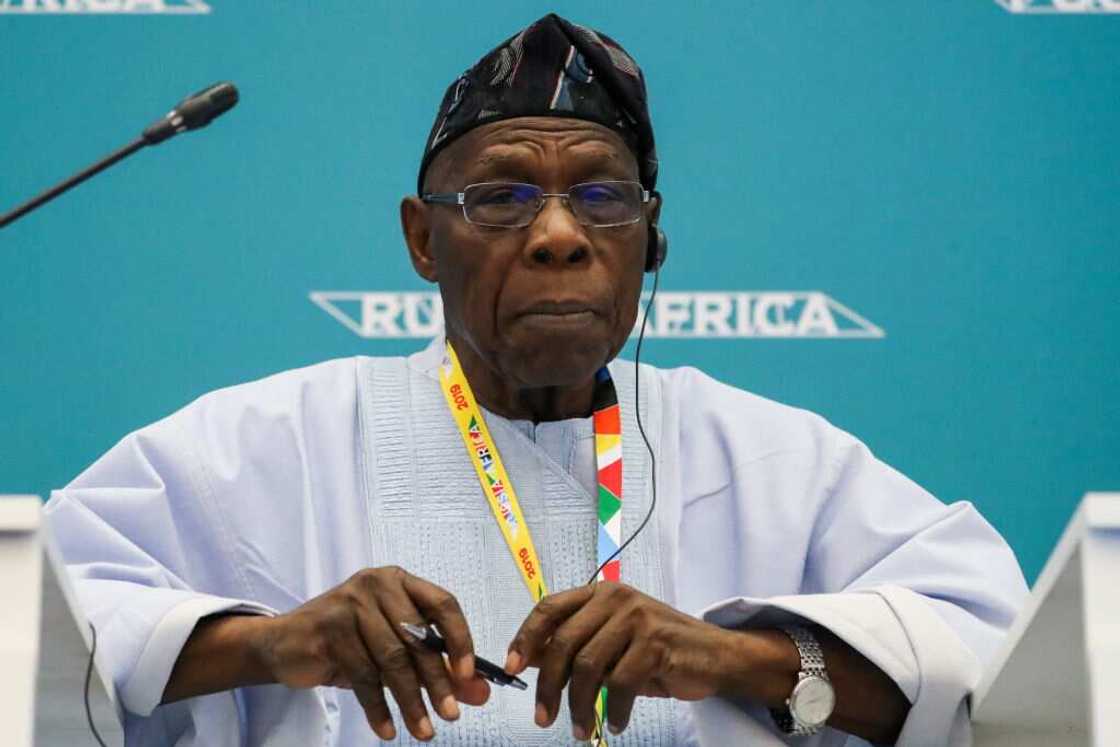
Olusegun Obasanjo questions future of Nigeria’s refineries. Image Credit: Anton Novoderezhkin/Getty Images
Nigeria’s long-standing refinery crisis has returned to the spotlight after former President Olusegun Obasanjo declared that the country’s state-owned refineries may never function effectively again. His remarks have sparked renewed debate about the future of the nation’s energy sector, particularly as the government pushes forward with rehabilitation plans.
Speaking during a media interview, Obasanjo described Nigeria’s refinery system as structurally flawed, arguing that decades of poor maintenance, corruption, and government inefficiency have rendered the facilities incapable of meeting modern standards.
Why Obasanjo Says Nigeria’s Refineries Are Doomed
Obasanjo’s criticism centers on what he described as deep-rooted systemic failures within government-owned refineries managed by the Nigeria National Petroleum Company Limited.
According to him, the refineries are:
- Too small by global standards, making them less competitive
- Poorly maintained, often handled by unqualified personnel
- Burdened by corruption, reducing operational efficiency
- Politically controlled, limiting accountability and innovation
He revealed that during his tenure, attempts were made to involve private operators, including , but the proposals were rejected due to concerns about profitability and operational risks.
This revelation highlights a recurring issue: international oil firms have historically avoided Nigeria’s downstream sector, citing structural and governance challenges.
Tinubu Administration’s Refinery Revival Plans
Despite Obasanjo’s warning, the administration of Bola Ahmed Tinubu has maintained optimism about restoring refinery operations.
The government previously projected that the Port Harcourt refinery would resume production following rehabilitation efforts involving global engineering firm Maire Firm.
Officials argue that:
- Ongoing upgrades will boost domestic fuel production
- Revived refineries could reduce reliance on fuel imports
- The move will stabilize fuel prices and improve energy security
However, critics remain skeptical, noting that similar promises have failed in the past.
Public vs Private Sector: The Core Debate
A key theme in Obasanjo’s argument is the need for private sector involvement. He pointed to the success of the Nigeria Liquefied Natural Gas project, where private stakeholders hold a controlling share.
According to him, the NLNG model works because:
- It ensures professional management
- It reduces political interference
- It promotes efficiency and profitability
This has reignited calls for public-private partnerships (PPP) in Nigeria’s refinery sector, with analysts suggesting that full privatization may be the only viable long-term solution.
READ ALSO
Tension in Ibadan: ADC alleges APC plot as Obasanjo leads high-stakes opposition summit
Impact on Nigeria’s Fuel Supply and Economy
Nigeria, despite being one of Africa’s largest oil producers, continues to rely heavily on imported refined petroleum products due to underperforming refineries.
The consequences include:
- High fuel costs driven by import dependency
- Pressure on foreign exchange reserves
- Persistent fuel scarcity and supply disruptions
- Economic vulnerability to global oil price fluctuations
Experts warn that without structural reforms, Nigeria may continue to face energy insecurity, even as global oil markets evolve.
Industry Experts Weigh In
Energy analysts say Obasanjo’s remarks reflect long-standing concerns within the sector. While some believe rehabilitation efforts could yield short-term improvements, many argue that without governance reforms, the refineries may continue to underperform.
There is also growing consensus that:
- Transparency and accountability must improve
- Investment in modern infrastructure is critical
- Policy consistency is needed to attract investors
What Happens Next?
The future of Nigeria’s refineries remains uncertain. While the government continues to push for revival, Obasanjo’s warning serves as a stark reminder of the structural challenges facing the sector.
The coming months will be crucial in determining whether Nigeria can finally achieve self-sufficiency in fuel production or remain dependent on imports.
FAQ
Why did Obasanjo say Nigeria’s refineries will never work again?
Obasanjo cited poor maintenance, corruption, small capacity, and government inefficiency as key reasons the refineries cannot function effectively.
Are Nigeria’s refineries currently working?
Most government-owned refineries have been largely non-functional or underperforming, despite ongoing rehabilitation efforts.
What is the government doing to fix the refineries?
The government is investing in rehabilitation projects, particularly the Port Harcourt refinery, and working with international firms to restore operations.
Why does Nigeria still import fuel?
Nigeria imports fuel because its refineries cannot meet domestic demand, forcing reliance on foreign refined petroleum products.
What role can the private sector play in fixing refineries?
Private sector involvement can bring efficiency, funding, and technical expertise, reducing political interference and improving performance.
Did Shell refuse to manage Nigeria’s refineries?
Yes, Shell reportedly declined involvement due to concerns about profitability, corruption, and poor infrastructure.
What is the NLNG model and why is it successful?
The NLNG model is a public-private partnership where private investors hold majority control, ensuring efficiency and profitability.
Will the Port Harcourt refinery start working soon?
The government has expressed optimism, but analysts remain cautious due to past failed timelines.
How does refinery failure affect Nigerians?
It leads to high fuel prices, scarcity, and economic pressure, as the country depends on imports.
Is privatization the solution to Nigeria’s refinery crisis?
Many experts believe full or partial privatization is necessary to improve efficiency and sustainability.