

Yusuf Buhari enters 2027 race: APC endorsements, controversy, and the battle for Katsina’s Reps seat

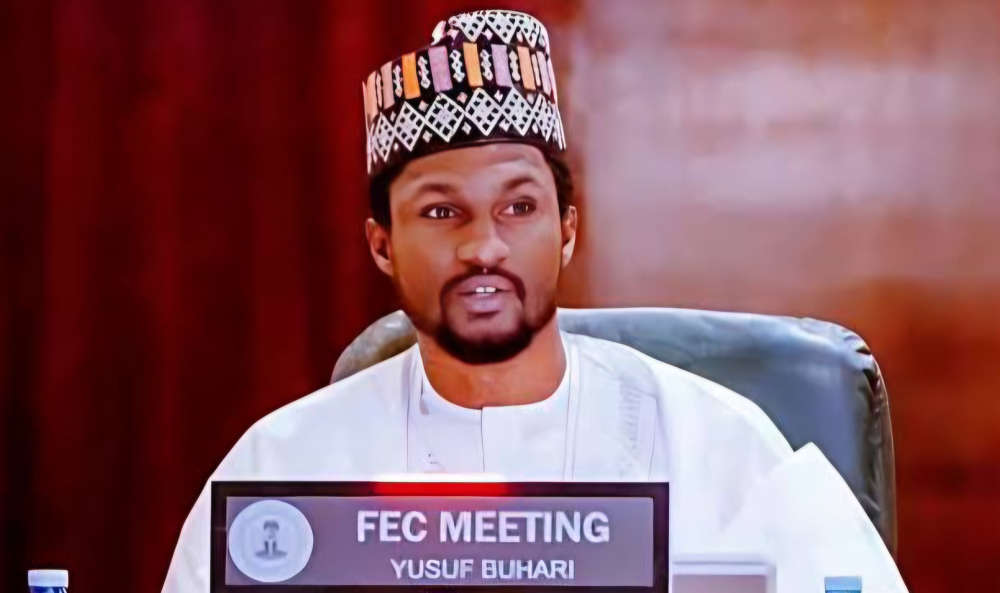
Yusuf Buhari
Yusuf Buhari, son of Nigeria’s late former president Muhammadu Buhari, has formally stepped into the political arena with a bold move to contest for a seat in the House of Representatives in the 2027 general elections. His entry has immediately reshaped political conversations in Katsina State, igniting both strong support and notable opposition within the ruling All Progressives Congress (APC).
The 2027 ambition marks a significant shift for Yusuf, who maintained a largely private profile during his father’s presidency. Now, his candidacy introduces a mix of political legacy, generational transition, and intra-party dynamics that could influence the outcome of the race.
Yusuf Buhari Targets Key Katsina Constituency
Yusuf Buhari is seeking to represent the Sandamu/Daura/Mai’Adua Federal Constituency in Katsina State. In a formally signed letter dated April 3, 2026, he declared his intention to contest under the APC platform, positioning his ambition as a commitment to “good and qualitative leadership” and grassroots development.
His campaign messaging highlights infrastructure development and human capital growth, key issues that resonate strongly within the constituency. Early consultations with political stakeholders suggest a carefully planned entry into the race, with groundwork already laid among party leaders and local influencers.
APC Stakeholders Back Candidacy Amid Strategic Calculations
Support for Yusuf Buhari has been swift in some quarters. APC stakeholders in Sandamu Local Government Area have reportedly endorsed him as their preferred candidate, citing his perceived capacity, political relevance, and broad acceptance within party structures.
Local government officials, including council leadership figures, have described the endorsement as a collective decision, reinforcing the narrative that Yusuf’s candidacy aligns with party interests ahead of 2027.
However, political insiders suggest that state-level influence may have played a role in consolidating this support. Reports indicate that his emergence as a preferred aspirant could be linked to backing from key figures within Katsina’s political hierarchy.
READ ALSO
10 things you didn’t know about Buhari
Mixed Reactions: Legacy vs Merit Debate Intensifies
Despite early endorsements, Yusuf Buhari’s entry has not been universally welcomed. His candidacy has triggered debates around political inheritance, meritocracy, and internal party democracy.
Critics argue that his rapid rise within party ranks may reflect elite influence rather than open competition, raising concerns about fairness in candidate selection. Some party members have expressed unease over what they perceive as an attempt to impose a candidate ahead of broader consultations.
On the other hand, supporters see Yusuf as a bridge between legacy and renewal. They argue that his background offers continuity in values associated with his father, particularly discipline and public service, while also presenting an opportunity for younger leadership.
From Private Figure to Public Contender
One of the most striking aspects of Yusuf Buhari’s political move is his transition from a low-profile public figure to an active political contender. During his father’s administration, he largely avoided political engagement and media attention.
Now, as he steps into the electoral spotlight, expectations are shifting. Analysts note that success in the race will depend on his ability to articulate clear policy positions, engage voters directly, and demonstrate an understanding of local challenges.
His campaign will likely need to balance name recognition with substantive political messaging, ensuring that his identity extends beyond his family legacy.
2027 Elections: High Stakes for APC and Katsina Politics
The 2027 elections are already shaping up to be highly competitive, with internal dynamics within the APC playing a crucial role. Yusuf Buhari’s candidacy adds a new dimension to the contest, potentially influencing party unity and voter perception.
Political observers believe that his entry could either strengthen APC’s hold in the constituency through strategic consolidation or deepen internal divisions if dissenting voices are not managed effectively.
Ultimately, the race will test whether political legacy can translate into electoral trust, especially in a landscape where voters are increasingly demanding accountability, performance, and transparency.
FAQ
Who is Yusuf Buhari?
Yusuf Buhari is the son of former Nigerian President Muhammadu Buhari. He has recently declared his intention to enter politics by contesting for a House of Representatives seat in 2027.
What position is Yusuf Buhari contesting for in 2027?
He is contesting for a seat in the House of Representatives, representing the Sandamu/Daura/Mai’Adua Federal Constituency in Katsina State.
Which party is Yusuf Buhari running under?
Yusuf Buhari is running under the All Progressives Congress (APC), Nigeria’s ruling political party.
Why is Yusuf Buhari’s candidacy controversial?
His candidacy has sparked debate due to concerns about political inheritance, internal party democracy, and whether endorsements were influenced by elite backing.
Has Yusuf Buhari received any endorsements?
Yes, APC stakeholders in Sandamu Local Government Area have endorsed him as their preferred candidate, citing his capacity and acceptance within the party.
What are Yusuf Buhari’s campaign promises?
He has emphasized infrastructure development, human capital growth, and improved representation for his constituency.
Is Yusuf Buhari experienced in politics?
Yusuf Buhari has maintained a relatively private life and has not held major political office before, making this his first major political contest.
What challenges could Yusuf Buhari face in the election?
He may face challenges such as internal party opposition, public scrutiny, and the need to prove his competence beyond his family name.
How could Yusuf Buhari’s candidacy impact APC?
His candidacy could strengthen APC’s influence in Katsina if managed well, but it may also create internal divisions if disagreements persist.
When are the 2027 Nigerian elections?
Nigeria’s general elections, including the House of Representatives races, are scheduled for 2027.