

Kenya’s second Ebola death: What quarantine tells us about the outbreak


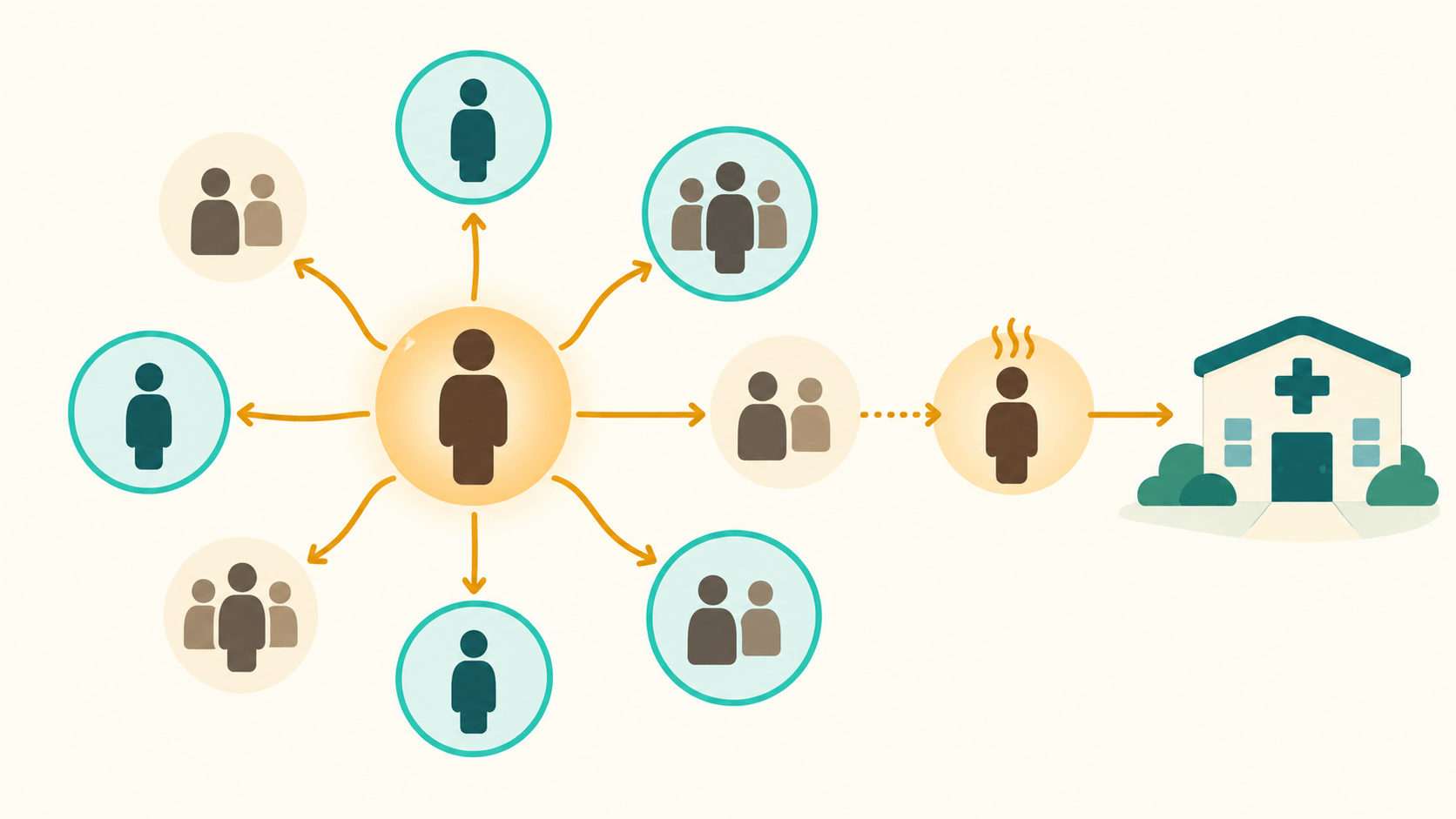
Illustration: a conceptual public-health setting and contact-tracing network, not a depiction of a real patient or clinic. Generated by OpenAI for CrispNG.
Kenya has recorded a second death in its Bundibugyo virus disease outbreak. The latest Ebola death in Kenya came from a known contact already in quarantine. Her death adds to the toll, but it does not by itself show that the outbreak has spread into the wider community.
The 65-year-old woman was a close relative of the first case. Kenya’s Ministry of Health said she became the third confirmed case. She developed symptoms on October 13 while quarantined and died on Friday after receiving care. The Ministry said seven other patients remained in treatment.
What officials have confirmed
The Ministry’s account appeared in the state-run Kenya News Agency. Officials counted nine confirmed cases in the outbreak. They said the woman began showing symptoms while she remained in quarantine and entered care that day.
The World Health Organization update dated October 23 gives figures through October 20. It lists nine cases and one death for that earlier reporting period. Kenya’s announcement of a second death came later, so the two reports use different cut-off dates.
Does the second Ebola death in Kenya mean wider spread?
No. A death among a known contact does not establish new community transmission. The Ministry says health teams already tracked this patient as a close contact. WHO’s earlier update said all eight secondary cases had entered quarantine before symptoms appeared. It also counted 135 contacts under follow-up.
Quarantine helps health teams watch people who may have had exposure. It cannot stop every contact from becoming sick. When symptoms appear, teams can assess the person, arrange care and limit new exposure. WHO says Kenya’s response includes case management, contact tracing and infection prevention.
What remains unknown?
The latest public update does not give a new contact count after the second death. It also does not break down the seven patients still receiving care. Case numbers can change as investigations continue, so readers should check each report’s data date.
No source cited here reports spread beyond the linked cases. That does not prove the risk has ended. Kenya’s authorities and WHO must keep sharing dated updates before readers can judge the outbreak’s direction.
For regional context, read CrispNG’s earlier report on why Nigeria went on alert after Kenya confirmed an imported Ebola case. That story covers cross-border monitoring. This update explains what the new death does—and does not—tell us about Kenya.
Why the distinction matters
A second death raises the human cost and calls for careful monitoring. But case links and exposure investigations show whether an outbreak is expanding; deaths alone cannot answer that question. The next dated case update should clarify whether officials have found new infections or contacts outside the known cluster.
Sources: Kenya News Agency / Ministry of Health; World Health Organization; Associated Press.