

NCDC: N10bn health fund includes Lassa readiness


Illustrative image
The N10bn (₦10 billion) health fund approved by President Bola Tinubu was requested for readiness against Ebola and other endemic diseases, including Lassa fever, NCDC Director-General Jide Idris said on Monday, October 26, in an interview covered by Premium Times. He described shared needs such as surveillance, laboratory testing, screening at entry points and protective equipment. Tinubu announced the fund on June 9, months before the NCDC case report confirmed Nigeria’s first imported Ebola infection on October 20.
The intended scope and the fund’s spending status are separate questions. The State House said in June that the President had ordered the money’s immediate release; an October statement by the APC Presidential Campaign Council said the allocation remained untouched. Neither announcement supplies a public ledger showing when money moved or what it bought.
What the N10bn health fund was meant to cover
Tinubu approved the ₦10 billion intervention on June 9, when he also established a Presidential Task Force on Ebola preparedness and emerging public health threats. The June State House release said the fund would strengthen NCDC’s operational readiness and support national public-health emergency response. Its wording covered preparedness and emergency response, not a single patient or one hospital.
That shared scope matters now that Nigeria has confirmed an imported Bundibugyo Ebola case in Abuja. Health authorities must trace contacts and test suspected infections. Idris’s description suggests the surveillance network, laboratory supplies, protective equipment and isolation capacity the fund would strengthen can also serve responses to other diseases.
In a Monday interview on Channels Television’s Politics Today, Idris said the request included work on Ebola and other endemic diseases such as Lassa fever. Premium Times reported his explanation that screening, surveillance, diagnosis and monitoring at points of entry serve more than one disease response.
What NCDC says the response needs
Idris listed personal protective equipment, laboratory supplies, fuel and other operating needs among the items public-health teams require. He also said some treatment and isolation centres need repairs, including a facility in Abuja, and described the response as work across eight pillars, including coordination, surveillance and laboratory diagnosis.
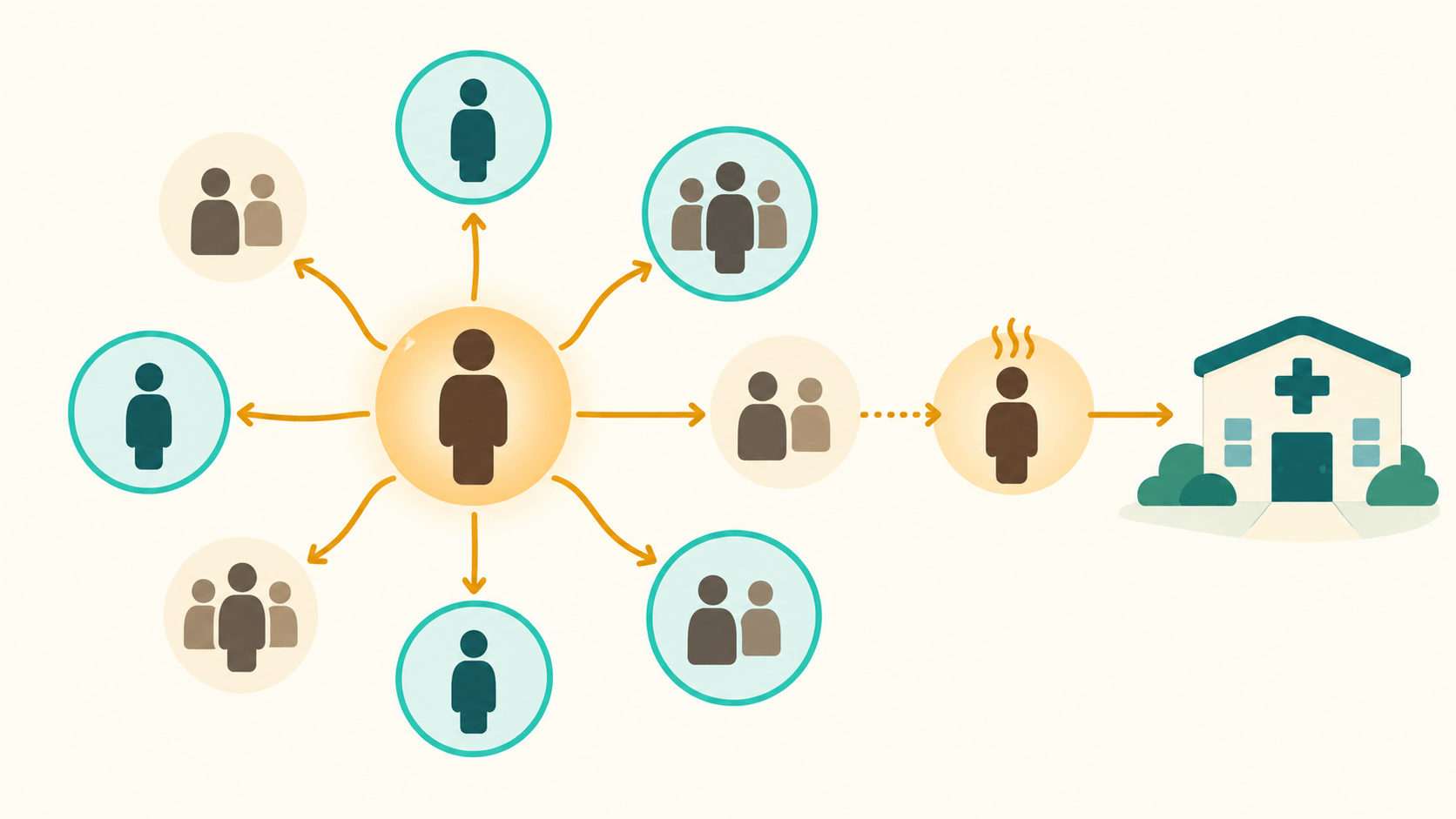
These are needs he described in the interview, not a published breakdown of how the ₦10 billion has been allocated. The public does not yet have a table showing how much is planned for laboratories, equipment, fuel, repairs or each participating agency.
The timeline gives the context. Tinubu announced the fund on June 9, before Nigeria reported an Ebola case in this outbreak. The NCDC confirmed the Abuja infection on October 20; two days later, the APC Presidential Campaign Council said the ₦10 billion remained untouched. Idris then explained on October 26 that the request covered several diseases and shared readiness work. Crisp Nigeria’s contact-tracing report describes one of the tasks health teams now face.
Approval and spending answer different questions
The June announcement records a presidential order to release emergency funding and states its purpose. It does not itself show a transfer into an NCDC account, a payment to a supplier or delivery of equipment. Those details require financial records.
The later campaign council statement, signed by spokesperson Dele Alake, said the fund remained untouched while NCDC, FAAN and other agencies used other available resources. The document contains no account statement, release warrant or expenditure schedule to substantiate that status. It is an attributed claim from the campaign council, not a transaction record from the Treasury or NCDC.
Idris’s Monday explanation adds information about the intended scope and the response’s operational needs. It does not establish how much money was released, whether any has been spent since June, or which agency holds the balance. A clear public account would let readers distinguish the approved purpose, the cash actually transferred and the goods or services delivered.
What we don’t know yet
The June and October statements do not identify a transfer date, receiving account, contract, supplier, amount paid or remaining balance. They also do not say whether the intervention was divided among NCDC, the Presidential Task Force, airports or state health authorities, or whether the money has a disease-by-disease allocation.
Those gaps do not establish that funds were misused or that the response went unfunded. The campaign council said agencies used other resources, but the public statements do not give the amounts or budget lines. The next verifiable step is a dated release warrant, NCDC receipt, payment schedule or audit showing whether and when the ₦10 billion moved.
Sources: Premium Times report; June State House release; October State House statement; NCDC situation report.