

Ebola contact tracing adds Abuja driver to list of 54


Illustrative image: hand hygiene is a basic infection-prevention measure.
Nigeria’s Ebola contact tracing list rose to 54 primary contacts on Monday, October 26, after the Nigeria Centre for Disease Control and Prevention identified an e-hailing driver who had taken the confirmed patient to an earlier hospital in Abuja. NCDC Director-General Jide Idris told Channels Television that health authorities sent the patient and her husband to Switzerland. The agency still had contacts to monitor and secondary exposures to investigate.
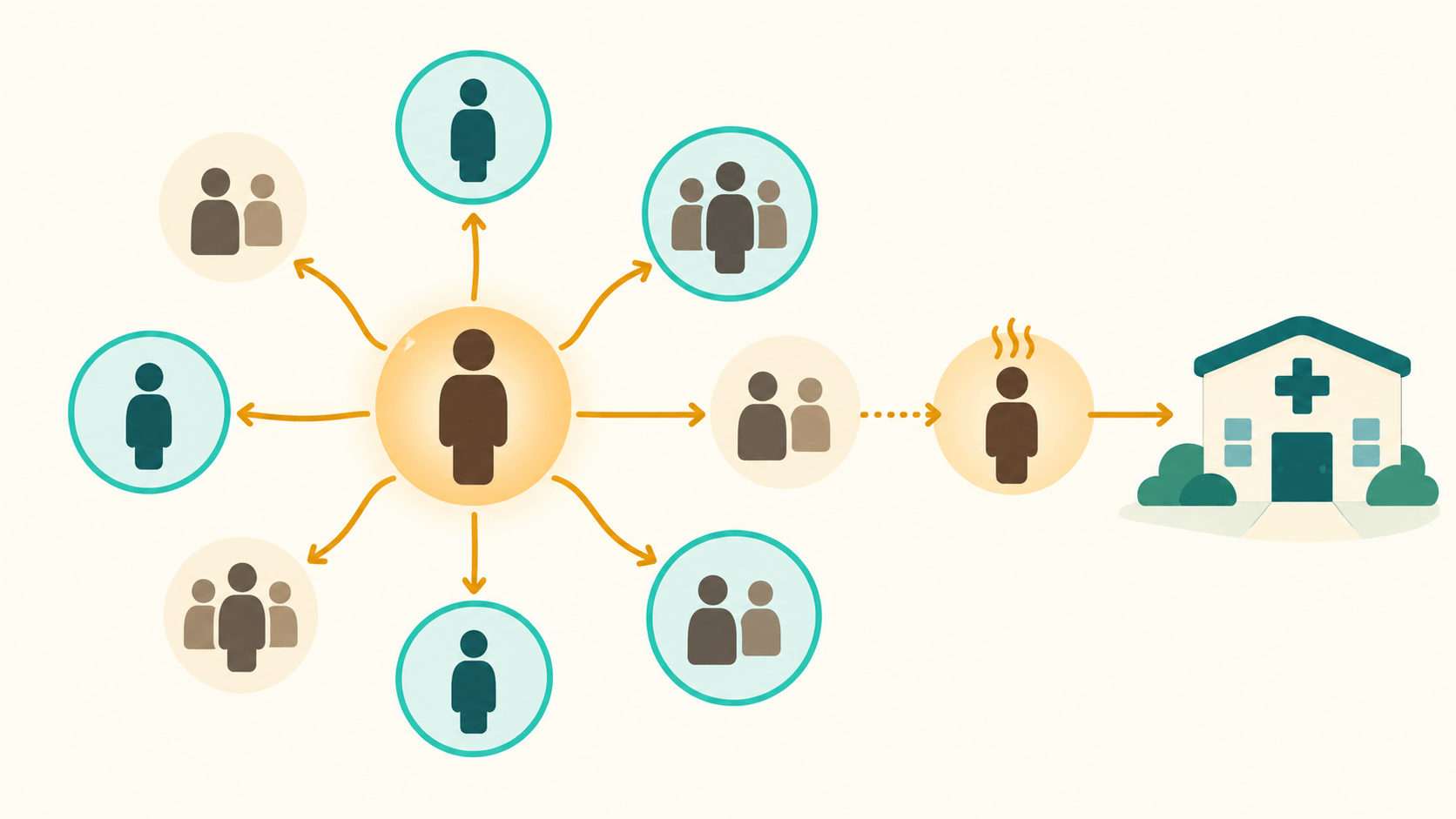
The new name shows why a contact count can change after a patient leaves the country: health workers are still reconstructing where she went before her diagnosis. NCDC says the count may rise as interviews uncover more possible exposures; the number describes people under follow-up, not new Ebola cases.
Why Ebola contact tracing reached 54
Idris disclosed the additional contact during an interview on Channels Television’s Politics Today. He said investigators learnt later that the driver had taken the patient to an earlier hospital in Abuja. Doctors later diagnosed Ebola at another facility. NCDC had reported 53 contacts in its October 25 response update, and said that figure could change as investigations continued.
That sequence matters because the contact list is built from exposure histories. Public health teams ask about a patient’s movements, identify people who may have had relevant contact, assess the exposure and then follow those people for symptoms. A ride in a vehicle does not, by itself, establish that the driver was infected or that transmission occurred.
The NCDC situation report confirmed Nigeria’s first case of the Bundibugyo strain in Abuja on October 20. On October 25, NCDC said contacts would be followed for 21 days from their last possible exposure and that the total could change as investigators gathered information. On October 26, health authorities evacuated the patient and her husband to Switzerland, as Channels reported, while NCDC’s new tally included the driver.
What the 54-person count tells readers
Idris said teams had quarantined “about 40-something” contacts in Abuja. Six others were staying home because officials assessed their exposure as lower risk. Teams called those people and checked their temperatures morning and evening. He did not give an exact count for the facility group or provide a name-by-name list.
He also said officials retested three people on Monday after changes in their clinical condition. All three tests came back negative, according to the Channels interview. That is a dated result for those three people; it does not establish what a later test might show for other contacts or for the full group.
Idris said Nigeria had no active positive Ebola case after the evacuation, while contact monitoring continued. Those two facts can be true at once: the person with the confirmed infection is receiving care in Switzerland, and Nigerian teams still have to check people who may have been exposed before she left. Crisp Nigeria’s earlier Ebola explainer covers why the evacuation did not end Nigeria’s monitoring work.
How long monitoring lasts and what to do
The NCDC response update sets follow-up at 21 days after each contact’s last possible exposure. The 21 days track the period when symptoms may appear after exposure. Each person’s count starts from their last possible exposure, not the date the patient left Nigeria. Investigators are also tracing secondary contacts—people who may have had contact with someone on the primary list. Idris said that work was still under way.
A contact listing is not a diagnosis. It means health officials need to assess possible exposure and monitor the person’s health. If tracing teams call, give accurate information about your movements and symptoms, then follow their instructions.
Idris said anyone with symptoms or a possible exposure should contact the nearest public health centre or call NCDC’s toll-free 6232 hotline. The Channels interview reported that staff answer around the clock. Follow the health team’s instructions before travelling to a facility.
What we don’t know yet
NCDC has not published a reconciled list explaining how its latest 54-person figure relates to the earlier count, or the last possible exposure date and monitoring end date for each contact. Idris did not disclose the driver’s risk assessment, the number of secondary contacts identified so far, or whether any additional people were added after Monday’s interview.
The agency has also not said when it expects to complete tracing. A contact count can keep changing as interviews continue; the next useful update would state how many people remain under follow-up, how many have completed their individual 21-day period and whether any suspected case has tested positive.
Sources: Channels interview; NCDC response update; NCDC situation report.