

Malta Lists 5 Residence Permit Types for Foreign Workers as Rules Tighten

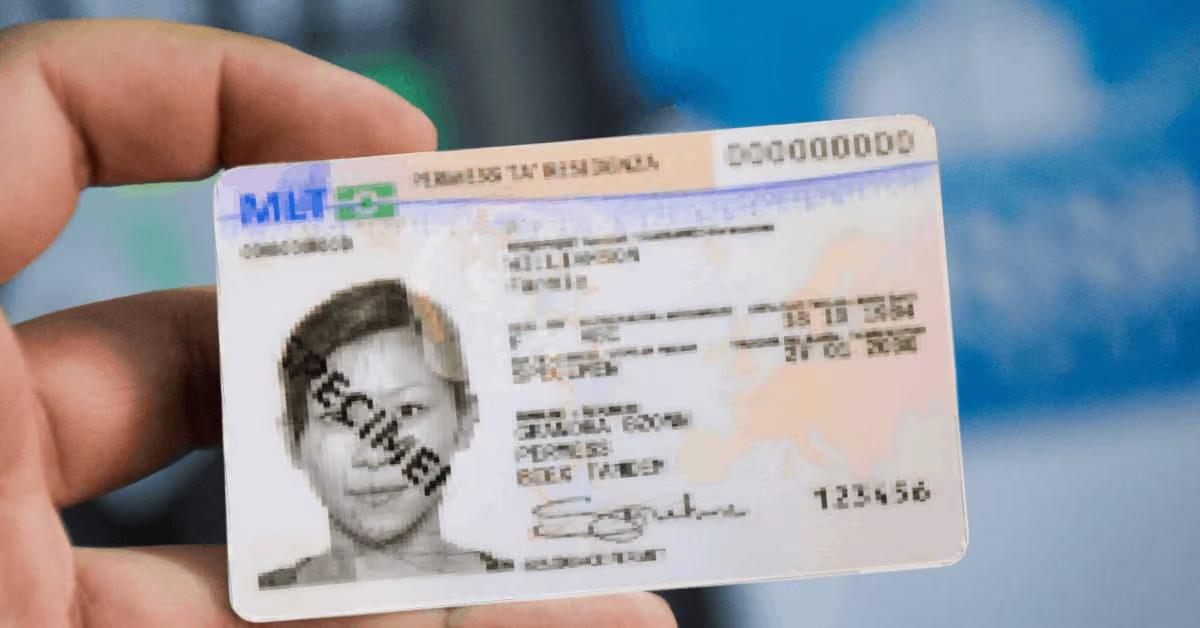
Malta residence permit
Non-EU nationals seeking employment in Malta must obtain a valid residence permit linked to their employer, job designation and employment duration before they can legally work in the country.
The rules mean foreign workers cannot automatically transfer their employment rights to a new employer or use a Maltese work permit to take up a job in another European Union member state.
Malta offers five main employment permit routes for foreign nationals, depending on the nature and duration of their intended work.
The permit categories include the Single Permit, EU Blue Card, short-term employment authorisation, self-employment permit and Intra-Corporate Transferee permit.
Malta’s five residence permit types for foreign workers
Foreign nationals considering employment in Malta may qualify for different permit categories based on their circumstances.
The five routes highlighted in the report are:
- Single Permit: Allows eligible non-EU nationals to live and work in Malta for a specified period exceeding six months, subject to the applicable requirements.
- Short-term employment permit: Covers eligible work engagements lasting fewer than six months.
- EU Blue Card: A route designed for qualifying highly skilled professionals who meet the relevant eligibility conditions.
- Self-employment permit: Intended for eligible foreign nationals seeking to establish or carry out business activities independently.
- Intra-Corporate Transferee permit: Applies to eligible employees transferred to Malta within the same multinational company.
The Single Permit is governed by Subsidiary Legislation 217.17 and is one of the main routes available to third-country nationals seeking to reside and work in Malta.
Eligibility requirements vary by permit category, so applicants need to identify the route that matches their employment arrangement before beginning the application process.
Malta work permits are tied to employers and job roles
A central feature of Malta’s employment-based residence permits is that the authorisation is linked to specific employment details.
These include the employer, the worker’s job designation and the duration of the authorised employment. The details are recorded on the residence card issued to the permit holder.
This means a worker cannot assume that an existing permit remains valid for a different employer or job role.
Foreign nationals whose employment circumstances change must notify the Expatriates Unit within Identità, Malta’s identity and residence services agency, and follow the applicable procedures.
Changes may include moving to another employer, taking up a different position or having an employment contract end earlier than expected. According to the report, failure to report relevant changes and return the residence card when required may constitute a breach of Malta’s Immigration Act, Chapter 217 of the Laws of Malta.
Workers should confirm the required procedure with the relevant Maltese authorities before changing jobs or allowing their employment arrangement to end.
READ ALSO
Saudi Arabia Premium Residency: 2 Routes for Foreign Sports and Arts Talents
Canada Lists 3 Conditions for Foreigners to Get Urgent PR Card Processing
Does a Malta residence permit allow foreigners to work elsewhere in Europe?
A Maltese employment residence permit does not automatically give a foreign national the right to work in another EU member state.
The employment rights granted under the permit apply to the authorised arrangement in Malta. Anyone planning to relocate to another European country or accept employment there must check that country’s immigration and work authorisation requirements.
The same distinction matters for workers who hold a residence card but intend to change employers within Malta. They should not assume that their current authorisation automatically covers a new position.
What foreign workers should know before applying
Non-EU nationals generally need an eligible job offer from a Maltese employer and the appropriate authorisation before starting employment under an employer-sponsored route.
Applicants should establish which permit category applies to their situation and confirm the latest documentation, eligibility criteria, fees and processing requirements with Malta’s official authorities.
Employers and prospective workers should also check whether a proposed change in job title, employer or contract duration requires a new application or another form of approval.
Because the conditions differ across permit categories, the requirements for a highly skilled professional, a short-term worker, a self-employed applicant and an employee transferred within a multinational company should not be treated as interchangeable.
Frequently asked questions
1. How many residence permit types does Malta offer foreign workers?
The report identifies five categories: the Single Permit, short-term employment authorisation, EU Blue Card, self-employment permit and Intra-Corporate Transferee permit.
2. Can a foreign worker in Malta change employers?
A worker should not assume that an existing employment permit automatically covers a new employer. Employment details are tied to the authorisation, and relevant changes must be reported to Identità in line with the applicable rules.
3. What is Malta’s Single Permit?
The Single Permit allows eligible third-country nationals to reside and work in Malta for an authorised period exceeding six months. It may be renewable, subject to the applicable conditions.
4. Can a Malta work permit be used to work in another EU country?
No. A Maltese employment permit does not automatically grant the right to take up employment in another EU member state. Separate national immigration and work rules may apply.
5. What is Malta’s EU Blue Card?
The EU Blue Card is a residence and work authorisation route for eligible highly skilled professionals who meet the relevant requirements.
6. What should workers do if their employment details change?
They should notify the relevant Maltese immigration authorities and confirm whether their permit needs to be amended, replaced or returned.