

Why Kyiv’s damaged South Bridge disrupted more than a crossing

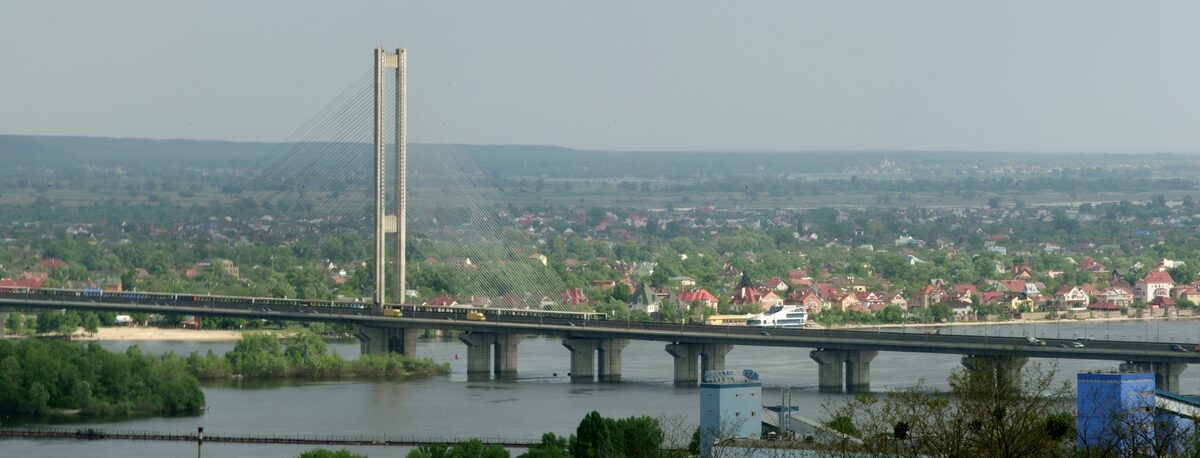
Archival image photographed in 2011; it does not show the 2026 attack. Photo: Kostyaza / Wikimedia Commons, CC BY-SA 3.0.
A Russian missile attack on Kyiv on 22 October left one person dead and 22 injured, according to Ukraine’s National Police. The attack also damaged part of the South Bridge, including metro infrastructure. That matters because the crossing is a transport link between the two sides of the Dnipro River, and the damage split service on the city’s green metro line into separate sections.
More than a bridge closure
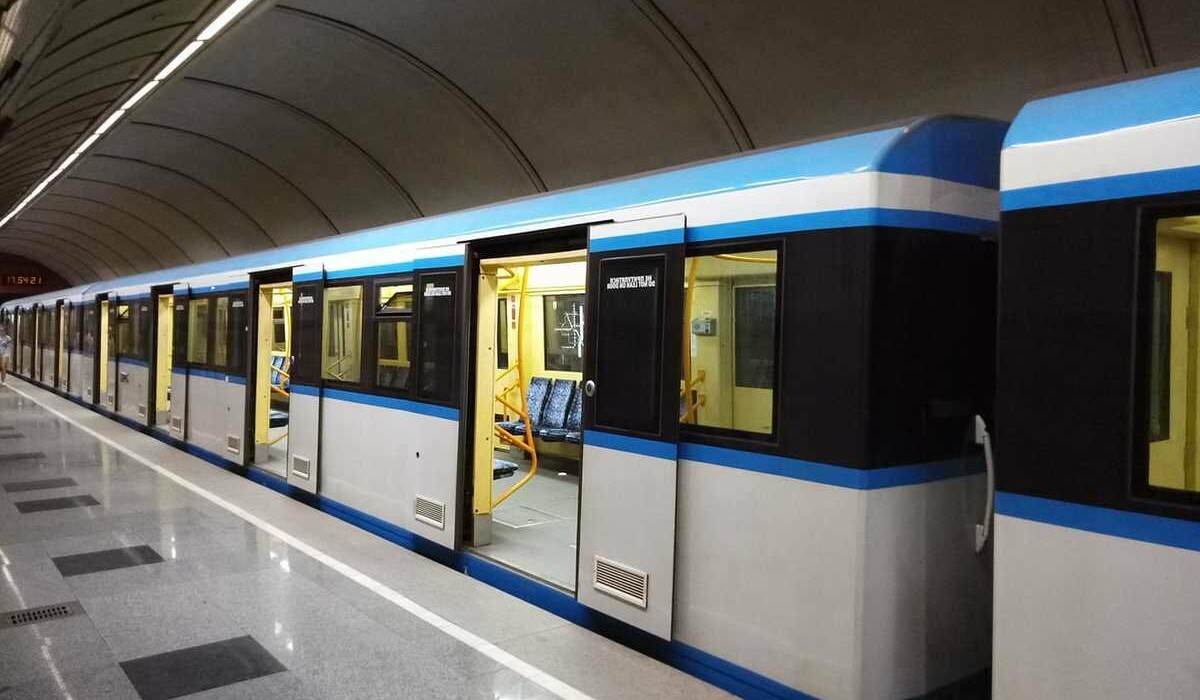
Kyiv’s district administration said trains on the Syretsko-Pecherska line were running between Syrets and Vydubychi on one side of the river, and between Osokorky and Chervonyi Khutir on the other. Through service across the bridge was suspended while officials assessed the damage and began repairs. The city warned that intervals could increase because trains already in the tunnels were being used to maintain service.
City officials also added buses to routes 22 and 91. Route 22 rose from 10 to 12 buses, with five on a shortened route linking Troieshchyna-side areas with Lybidska; route 91 rose from three to five buses. Those details show the practical effect of damage to a single crossing: the disruption reached beyond the bridge itself into the metro timetable and surface transport.

The human toll was updated during the response
Kyiv’s first early-morning update reported 15 injured. Ukraine’s National Police later said one person had been killed and 22 injured, including seven children, across several districts. The police statement said the strikes damaged homes, an ambulance station, emergency vehicles, a monastery, a hypermarket and other buildings. The changing figure is a reminder that casualty totals in a large overnight attack can rise as authorities check separate impact sites and receive reports from hospitals.
The city’s district update also recorded power-supply disruption in part of Holosiivskyi district after damage to energy facilities. It said repair crews were working to restore electricity. The available city notices describe the situation on 22 October; they do not establish the later timetable for full metro service or repairs.
What remains uncertain
Kyiv’s transport notices confirmed an inspection and repair effort but did not provide a completion time or an engineering assessment of the bridge and metro structure. That leaves the duration of the service split uncertain. A later city notice recorded a separate temporary closure of the South Bridge in both directions for security reasons. That shows why surface crossings can be restricted for operational reasons as well as repairs; the two disruptions should not be conflated.
The incident is therefore a story about both the immediate civilian toll and the resilience of a city’s transport network under repeated attacks. The key next updates are whether through metro service returns, when bridge restrictions are lifted, and whether repairs uncover damage that requires longer closures.
Sources
- Ukraine National Police: casualty and damage update
- Kyiv district administration: metro, bridge and bus service updates
- Associated Press: account of the overnight Kyiv attack
- Reuters reporting on the strikes and transport disruption