

Lagos-Calabar Coastal Highway: Why Tinubu Ordered a Route Change From Ondo to Edo

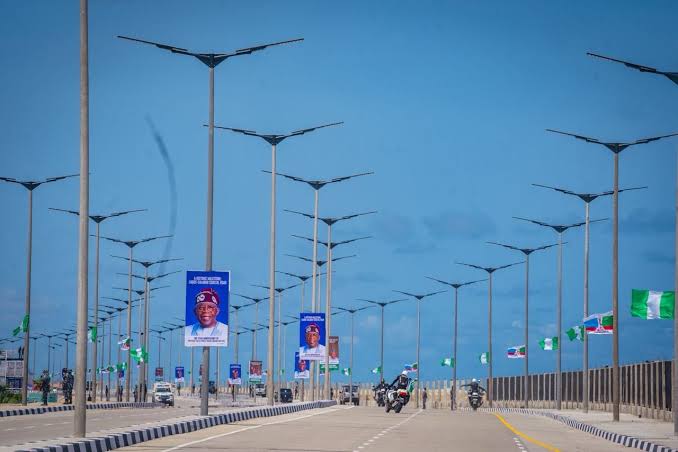
The Federal Government has explained why President Bola Tinubu ordered a route change for the Lagos-Calabar Coastal Highway. The new plan will connect the highway to the existing East-West Road from Ondo State towards Edo State.
Minister of Works Dave Umahi disclosed the directive on Monday, October 12, 2026. He said Tinubu instructed the ministry to use the existing road corridor instead of creating an entirely new alignment.
The directive comes as the government defends an earlier diversion of the coastal highway in Ondo State. Umahi said difficult terrain and high construction costs informed that decision.
He maintained that the government had no regrets about its engineering choices. However, the latest directive introduces another adjustment to the highway’s planned route.
Why Tinubu ordered a Lagos-Calabar Coastal Highway route change
Umahi said Tinubu directed the ministry to connect the coastal highway to the existing East-West Road.
According to the minister, the president instructed officials not to create a new alignment along the affected corridor. Instead, they should use the existing road.
The decision could reduce the need to build a separate highway through the area. However, the government must also address problems affecting the East-West Road.
One major concern is flooding, particularly around the Ughelli axis in Delta State.
Umahi explained that engineers built the road before they fully considered the effects of climate change and rising flood risks. He said the government plans to raise vulnerable sections by about two metres.
The proposed elevation would help protect the road from flooding. It would also support the plan to use the existing corridor for the coastal highway.
Why the FG diverted the coastal highway in Ondo State
The latest directive differs from the earlier diversion in Ondo State. That decision followed engineering challenges along the original route.
Umahi said the proposed alignment crossed pits more than 100 metres deep. He also explained that suitable sharp sand was unavailable in some areas, even at depths of about 300 metres.
These conditions, according to the minister, would have made construction more difficult and expensive.
Consequently, the ministry redesigned the route to avoid the most challenging sections.
Umahi said some parts of the revised alignment required extensive filling. In certain areas, the work involved filling depths exceeding 10 metres.
The diversion affects Sections 4A and 4B of the project, which cover 67 kilometres. About 27 kilometres lie in Ogun State, while the remaining 40 kilometres fall within Ondo State.
The minister insisted that engineering considerations informed the decision. He also acknowledged receiving petitions over the diversion but maintained that the government would not reverse its position because of the criticism.
What the new route means for the East-West Road
The Lagos-Calabar Coastal Highway route change will require improvements to parts of the existing East-West Road.
Flooding remains a major concern along the corridor. Umahi said the government plans to raise vulnerable sections by approximately two metres to improve their resistance to flood damage.
Delta State Governor Sheriff Oborevwori has also intervened over flooding concerns along the road, according to the minister.
Meanwhile, the government plans to construct a 45-kilometre Benin bypass. The road is expected to reduce traffic congestion in Benin City.
Umahi put the length of the Ondo-Edo corridor, including the bypass, at 104 kilometres.
The plan would connect the coastal highway to existing infrastructure. However, its success will depend on the quality of the road improvements and the government’s ability to manage flooding along the corridor.
Lagos-Calabar Coastal Highway: How far has construction progressed?
The Federal Government is pursuing several sections of the Lagos-Calabar Coastal Highway project.
Umahi said Section One, a 47.47-kilometre stretch starting from Victoria Island in Lagos, had been completed and was ready for commissioning.
Section Two covers 55 kilometres and ends at the Lagos-Ogun boundary. The minister said the government expected to complete it the following month.
At the Calabar end, Sections 3A and 3B cover 65 kilometres. Umahi said construction on these sections had passed 30 per cent completion.
Work is also progressing on Section Five, an 82-kilometre dual carriageway in Akwa Ibom State.
In addition, the government is developing an 88-kilometre link from Calabar to Ebidi Beach. The route is intended to connect with the Trans-Saharan route.
Umahi also disclosed plans for a 129-kilometre dual carriageway between the Edo-Delta boundary and the Delta-Bayelsa boundary. He said surveys and procurement were ongoing, with construction expected to begin in November.
These projects form part of the government’s wider plan to improve road connections across southern Nigeria.
What the Lagos-Calabar Coastal Highway route change means
The government has cited difficult terrain, construction costs and flooding risks to explain its decisions.
However, the long-term impact will depend on how the ministry implements the revised route. The government must also ensure that the existing East-West Road can handle the demands placed on it.
The planned elevation of flood-prone sections will be particularly important. Without effective drainage and flood protection, the corridor could continue to face disruption.
The government will also need to explain how the changes affect construction costs, project timelines and connectivity between the affected states.
For now, Umahi maintains that the decisions will help the government overcome engineering challenges and deliver the project.
The latest directive marks another adjustment to the Lagos-Calabar Coastal Highway. It also places the East-West Road at the centre of the government’s revised plan for connecting parts of the southern corridor.