

Jackdaw Gas Field Could Lift UK Output 6%—Why Bills May Not Fall

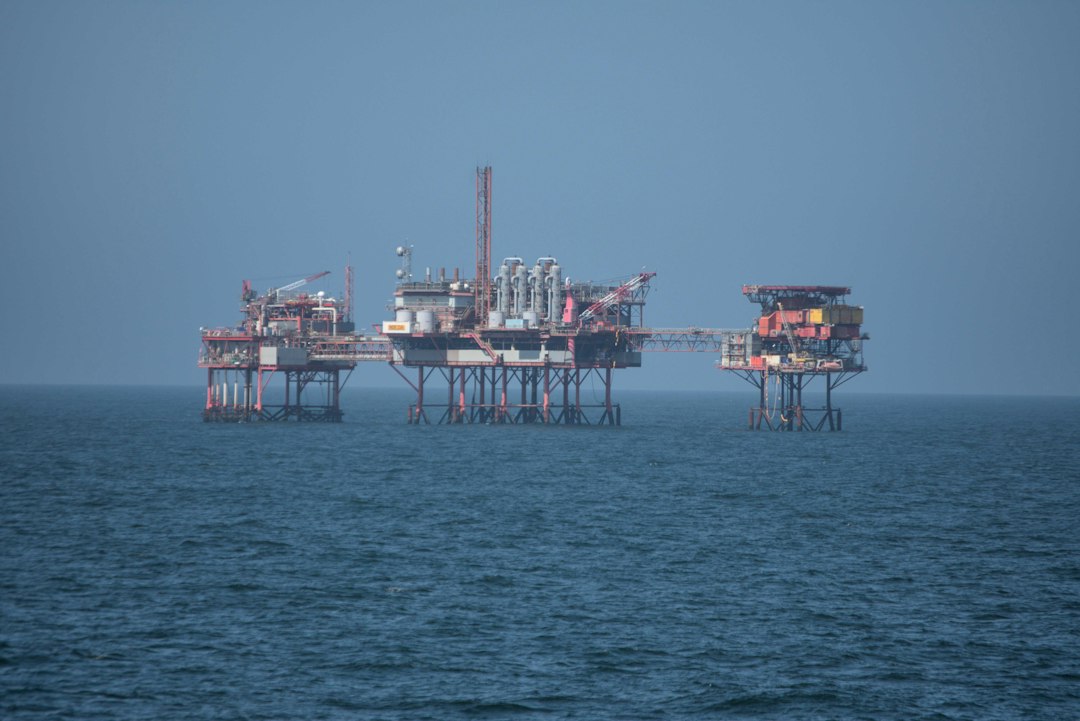
Illustrative offshore platform; this image does not depict the Jackdaw field. Photograph by Rob Barber via Unsplash.
Published: 22 October 2026 at 1:48 p.m. BST.
The United Kingdom’s approval of the Jackdaw gas field could lift domestic production by about 6% at peak. That is a meaningful addition to supply, but it is not a forecast of a 6% fall in bills: gas prices still depend on wholesale markets, while household tariffs include several other costs.
Featured image: illustrative offshore platform, not the Jackdaw site. Photograph by Rob Barber via Unsplash.
What changed at Jackdaw?
On 21 October, Energy Secretary Miatta Fahnbulleh agreed that the North Sea Transition Authority (NSTA) could grant production consent for Jackdaw. The regulator then granted development and production consent to the field’s owners, Adura, after reviewing the environmental statement and receiving the Secretary of State’s agreement. The field is in the Central North Sea off north-east Scotland.
The project is designed to send gas through a roughly 30-kilometre subsea pipe to the existing Shearwater hub for processing. The government says Jackdaw could begin supplying British homes and businesses as early as the end of October. That is an announced target; actual start-up and output still depend on the development being completed and operating as planned.
Six per cent of what?
The government’s estimate is an increase of around 6% in UK domestic gas production at the field’s peak. It does not mean 6% of total UK gas demand, a 6% reduction in imports, or a 6% cut in household bills. The government estimates the field could operate for up to 11 years.
That distinction matters because the UK already relies on several sources. A five-year average for 2021–2025 puts 42% of gas supply from the UK continental shelf, 37% from Norway, 20% from liquefied natural gas (LNG) and 1% from interconnectors. Jackdaw may change the mix at the margin, but it does not make the UK self-sufficient in gas.
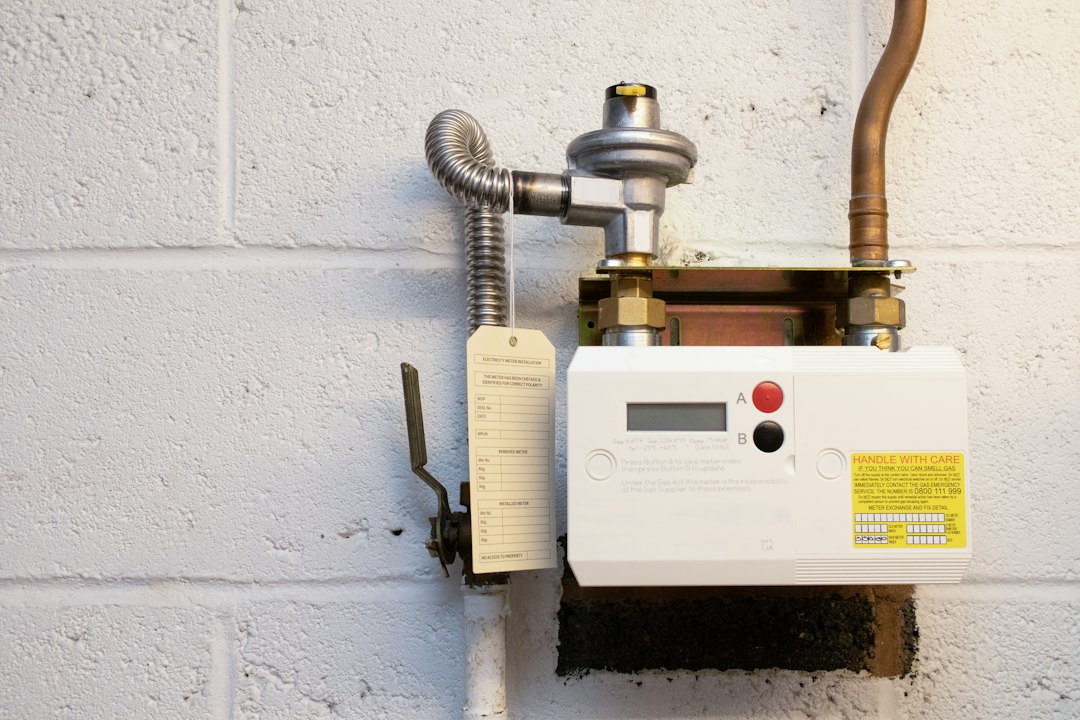
Why more domestic gas does not guarantee cheaper bills
Gas is traded in markets that respond to supply and demand across borders. The Associated Press reported that the government itself acknowledged Jackdaw would not eliminate the need for imported gas or reduce prices. More UK production can improve the supply picture, but it does not give a household a direct discount or insulate the country from global price shocks.
Ofgem’s current price cap for a typical dual-fuel household paying by Direct Debit is £1,723 a year for 1 October to 31 December 2026, 4% higher than the previous period. The cap is recalculated every three months and reflects wholesale energy alongside network, policy, operating and other costs. The headline is an illustrative annual amount, not a bill paid by every household.
So the practical test is not just whether gas reaches shore. It is whether Jackdaw’s production is sustained, how it affects the UK’s overall supply mix, and what wholesale costs are when Ofgem next resets the cap. Even a domestic source can be sold into a wider market; its presence alone cannot establish what consumers will pay.
The approval follows a fresh legal assessment
Jackdaw first received consent in 2022. In January 2025, the Court of Session found that the earlier consents for Jackdaw and Rosebank were unlawful because the environmental assessments had not considered the climate effect of burning the oil and gas produced. The court suspended the effect of quashing those consents while the government and regulator reconsidered them, but said no extraction could take place before new consent was granted.
The Supreme Court’s 2024 Finch ruling was the legal turning point: it held that an environmental assessment for an oil-extraction project had to consider emissions from the eventual use of the oil. The Scottish court applied that reasoning to offshore oil and gas assessments. The October 2026 decision is therefore a new consent after further information and assessment; it is not a court finding that the project has no climate impact.
What to watch next
The next useful evidence will be the actual start date, measured production against the government’s peak estimate, and future Ofgem decisions as wholesale prices move. The government has also announced a separate £2 billion initial contribution to an Energy Wealth Fund intended to support renewable and low-carbon projects. That announcement does not mean Jackdaw’s gas will lower bills or that the project itself is renewable.
For related context on employment in the basin, see CrispNG’s report on a North Sea oil workers’ pay dispute. The dispute is separate from Jackdaw, but it shows why claims about jobs in the offshore sector should be assessed alongside supply and transition plans.
Sources and documents
- Department for Energy Security and Net Zero: Jackdaw approval, production estimate and UK gas-supply mix
- North Sea Transition Authority: production consent
- Court of Session: January 2025 judgment on Jackdaw and Rosebank
- UK Supreme Court: Finch judgment
- Ofgem: October–December 2026 energy price cap
- Associated Press: independent reporting on the approval and its limits for prices