

7 Health Habits Worth Building Before Your 30s, 40s and 50s

7 Health Habits to Build Before 50
Many health problems develop gradually, making everyday habits an important part of long-term wellbeing. Regular physical activity, consistent sleep, balanced meals and routine medical checks can help people maintain their health as they move through different stages of adulthood.
You do not need to wait until your 30s, 40s or 50s to start. The earlier you develop sustainable routines, the more time you have to benefit from them.
Here are seven health habits worth building at any stage of adulthood.
1. Make Regular Physical Activity Part of Your Routine
Exercise supports heart health, muscle strength, mobility and overall fitness. It can also improve mood and help people manage stress.
Adults are generally advised to aim for at least 150 minutes of moderate-intensity aerobic activity each week, alongside muscle-strengthening activities on two or more days.
Your routine does not have to involve an expensive gym membership. Brisk walking, dancing, cycling, swimming and bodyweight exercises can all contribute to an active lifestyle.
Habit to build: Choose activities you enjoy and schedule them consistently. Start with manageable sessions if you have been inactive, then gradually increase the duration or intensity.
2. Learn to Eat a Balanced Diet
Eating habits established in early adulthood can influence health for decades. A balanced diet provides the nutrients the body needs while supporting healthy energy levels and long-term wellbeing.
Aim to eat a variety of vegetables, fruits, whole grains, beans, nuts and suitable protein sources. Include healthy fats and limit excessive salt, added sugars and heavily processed foods.
For Nigerian households, practical options include beans, vegetables, oats, whole-grain foods, fish, eggs and fruit. Traditional meals can fit into a balanced diet through sensible portions and a variety of ingredients.
Habit to build: Make gradual changes you can maintain instead of following restrictive diets that are difficult to sustain.
3. Protect Your Sleep Schedule
Sleep affects concentration, mood, energy and physical health. Regularly getting too little sleep can make daily tasks harder and is associated with several long-term health risks.
Most adults need at least seven hours of sleep each night, although individual needs vary.
A consistent bedtime, a relaxing evening routine and limiting caffeine late in the day may help improve sleep. Reducing screen use before bed can also be helpful for some people.
Habit to build: Set a regular time to go to bed and wake up, including on weekends when possible. If sleep problems persist or significantly affect daily life, speak with a healthcare professional.
4. Learn How to Manage Stress
Work, finances, relationships and family responsibilities can create ongoing pressure. Chronic stress may affect sleep, mood, concentration and other aspects of health.
Healthy stress-management habits include regular exercise, time outdoors, relaxation techniques, hobbies and maintaining supportive relationships.
It can also help to recognise when responsibilities have become overwhelming and seek assistance rather than trying to handle everything alone.
Habit to build: Set aside time for activities that help you unwind. If anxiety, low mood or stress becomes persistent or interferes with daily life, consider speaking with a qualified mental health professional.
READ ALSO
10 Simple Ways to Make Your Daily Routine More Health-Friendly
5. Stop Ignoring Routine Health Checks
Feeling healthy does not always mean every aspect of your health is in good condition. Some problems, including high blood pressure and certain metabolic conditions, may develop without obvious symptoms.
Routine healthcare appointments can help determine which checks are appropriate based on your age, family history, lifestyle and other risk factors.
Depending on your circumstances, a healthcare professional may recommend blood pressure checks, blood sugar testing, cholesterol assessment, vaccinations or age-appropriate cancer screening.
Habit to build: Keep track of your medical appointments and follow professional advice on screening intervals. Do not assume everyone needs the same tests at the same age.
6. Build Strength and Protect Your Mobility
Muscle strength and balance become increasingly important with age. Maintaining them can support everyday activities such as climbing stairs, carrying shopping, standing up from a chair and recovering from physical exertion.
Strength training is useful well before middle age. Resistance bands, weights and bodyweight exercises can help maintain muscle when performed appropriately.
Mobility work and balance exercises can also support movement, particularly when combined with regular physical activity.
Habit to build: Include strength exercises in your weekly routine and increase the challenge gradually. If you have an injury, chronic condition or concerns about exercise safety, seek appropriate professional guidance.
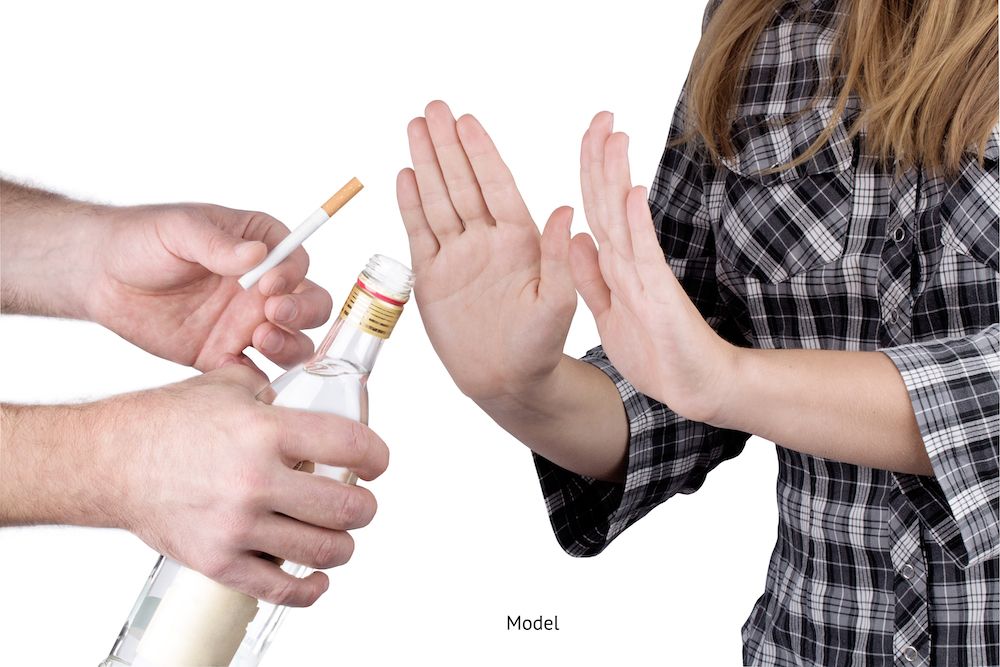
7. Pay Attention to Alcohol, Smoking and Other Risky Habits
Habits involving tobacco, alcohol and other substances can have lasting effects on health.
Smoking increases the risk of serious diseases, while alcohol can contribute to health problems depending on the amount and pattern of consumption. Avoiding tobacco and reducing alcohol-related risks can support better long-term health.
It is also worth paying attention to less obvious patterns, such as relying on stimulants to compensate for inadequate sleep or repeatedly ignoring symptoms that need medical attention.
Habit to build: Avoid smoking and seek support if you want to stop. If you drink alcohol, understand that less consumption generally means lower alcohol-related health risks.
Why These Habits Matter at Different Ages
Your priorities may change as you get older, but these habits remain useful throughout adulthood.
- Before your 30s: Establish a consistent exercise routine, learn to prepare balanced meals, protect your sleep and understand your family health history.
- Before your 40s: Keep up with recommended checks, manage stress and pay attention to changes in energy, fitness and recovery.
- Before your 50s: Continue strength and balance exercises, review your individual screening needs and discuss age-related health risks with a healthcare professional.
These are general suggestions, not strict age-based deadlines. Health needs vary, and people can benefit from building these habits at any age.
Frequently Asked Questions
What is the most important health habit to develop before 30?
There is no single habit that is most important for everyone. Regular physical activity, balanced nutrition, sufficient sleep and avoiding tobacco are strong foundations for long-term health.
How much exercise should adults get each week?
General guidance recommends at least 150 minutes of moderate-intensity aerobic activity weekly, plus muscle-strengthening activity on two or more days. People should adapt their routines to their abilities and health needs.
Why do routine health checks matter if I feel healthy?
Some health conditions can develop without noticeable symptoms. Appropriate checks can help identify risks early and allow healthcare professionals to recommend suitable next steps.
Is it too late to build healthy habits after 40 or 50?
No. Healthy habits can benefit people at any age. Starting gradually and maintaining realistic routines can improve fitness, support wellbeing and help reduce certain health risks.
How can I maintain healthy habits when I have a busy schedule?
Start small. Short walks, consistent sleep times, simple balanced meals and brief relaxation periods can fit into a busy day. Building routines around existing activities may make them easier to maintain.
How many hours of sleep do adults need?
Most adults need at least seven hours each night, though individual needs differ. Persistent sleep difficulties should be discussed with a healthcare professional.