

Governors consider ₦100,000 national minimum wage as cost of living crisis deepens in Nigeria

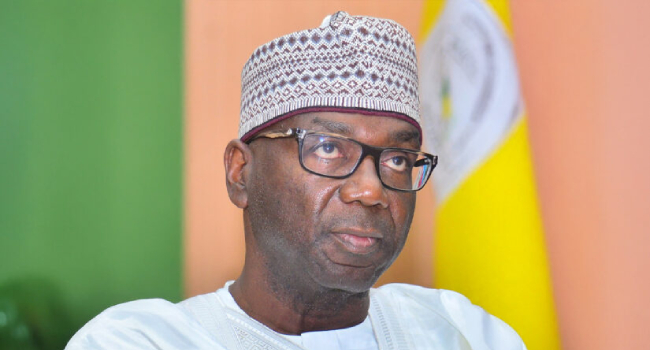
Kwara State Governor and chairman of the Nigeria Governors Forum, AbdulRahman-AbdulRazaq. Photo: Kwara State Govt
Nigerian workers may soon see another significant salary adjustment as state governors across the country consider raising the national minimum wage to ₦100,000 amid worsening economic realities, rising inflation, and increasing household expenses.
The proposal, disclosed by the Chairman of the Nigeria Governors’ Forum (NGF), AbdulRahman AbdulRazaq, has sparked nationwide discussions about workers’ welfare, government finances, and the future of public sector salaries. If adopted, the new figure would represent a major increase from the current ₦70,000 national minimum wage and could reshape conversations around labour policy ahead of future economic reforms.
Governors Weigh ₦100,000 Minimum Wage Proposal
Speaking on the ongoing discussions, AbdulRazaq revealed that state governors are actively considering a ₦100,000 national minimum wage as part of efforts to cushion the impact of inflation and rising living costs on Nigerian workers.
According to him, consultations are currently taking place between state governments, the Federal Government, and organised labour to develop a wage framework that protects workers while remaining financially sustainable for governments at all levels.
The proposal comes at a time when many Nigerians are struggling with increasing food prices, transportation costs, rent, healthcare expenses, and other essential living costs.
Why Governors Are Considering a Wage Increase
Nigeria has experienced significant inflationary pressure in recent years, leading to a sharp decline in the purchasing power of many workers.
While the ₦70,000 minimum wage was introduced to improve workers’ welfare, labour unions and employee groups have continued to argue that the amount no longer reflects current economic realities.
The NGF chairman noted that governors recognise the urgent need to improve workers’ living conditions while ensuring governments can continue funding critical infrastructure, education, healthcare, and development projects.
The discussions are therefore focused on balancing worker welfare with fiscal responsibility.
Rising Cost of Living Drives Labour Demands
One of the strongest arguments supporting a new minimum wage is the increasing cost of living across the country.
Many civil servants and low-income workers have repeatedly expressed concerns about the widening gap between salaries and everyday expenses. Basic necessities such as food, transportation, electricity, housing, and school fees have become significantly more expensive in recent years.
Labour leaders have maintained that Nigerian workers deserve a living wage capable of supporting families and improving quality of life rather than merely providing survival income.
The Nigeria Labour Congress (NLC) has consistently advocated for wage reviews that reflect prevailing economic conditions.
READ ALSO
Sowore proposes ₦500,000 minimum wage, unveils drone-led security vision
Can States Sustain a ₦100,000 Minimum Wage?
A key issue in the debate is whether state governments possess the financial capacity to sustain a higher wage structure.
Several states have faced revenue challenges despite increased allocations from federal earnings and internally generated revenue.
According to AbdulRazaq, governors are carefully evaluating the financial implications of any new wage agreement to avoid creating unsustainable obligations that could affect service delivery.
The consultations are expected to examine the long-term impact of a ₦100,000 minimum wage on government finances, employment levels, and economic growth.
Some States Already Pay Above the National Benchmark
Although Nigeria’s statutory minimum wage currently stands at ₦70,000, some states have already introduced salary structures above the national benchmark.
States such as Lagos, Rivers, and Imo have reportedly implemented higher wage packages as part of measures aimed at supporting workers amid economic hardship.
This development has strengthened arguments that a nationwide review may be necessary to create a more uniform wage structure across the federation.
What Happens Next?
The ongoing negotiations between governors, the Federal Government, and organised labour are expected to continue in the coming weeks.
Any final decision will likely involve extensive consultations to determine a figure that improves workers’ purchasing power without placing excessive pressure on government finances.
For millions of Nigerian workers, the outcome of these discussions could significantly influence living standards, disposable income, and overall economic wellbeing.
As inflation continues to affect households nationwide, the proposed ₦100,000 minimum wage is rapidly becoming one of the most closely watched economic and labour issues in Nigeria.
Whether the proposal eventually becomes law or undergoes further revisions, it has already reignited national conversations about fair wages, economic sustainability, and workers’ welfare in Africa’s largest economy.
FAQ
What is Nigeria’s current national minimum wage?
Nigeria’s current statutory national minimum wage is ₦70,000 per month.
Are governors proposing a new minimum wage?
Yes. State governors, through the Nigeria Governors’ Forum, are considering a proposal to increase the national minimum wage to ₦100,000.
Why is a ₦100,000 minimum wage being considered?
The proposal is being driven by rising inflation, increased living costs, declining purchasing power, and concerns about workers’ welfare.
Who announced the ₦100,000 minimum wage proposal?
The proposal was disclosed by , Chairman of the Nigeria Governors’ Forum and Governor of .
Has the ₦100,000 minimum wage been approved?
No. Discussions are ongoing between state governments, the Federal Government, and organised labour. No final approval has been announced.
When could the new minimum wage take effect?
There is currently no official implementation date. Any increase would require agreement among relevant stakeholders and formal approval processes.
Which states already pay above the national minimum wage?
Reports indicate that states including , , and pay above the national minimum wage benchmark.
What is the Nigeria Labour Congress position?
The has consistently advocated for higher wages that reflect current economic realities and provide workers with a genuine living wage.
Can state governments afford a ₦100,000 minimum wage?
This remains one of the key issues under discussion. Governors are evaluating the financial implications to ensure any wage increase remains sustainable.
How would a ₦100,000 minimum wage affect workers?
A higher minimum wage could improve purchasing power, help workers cope with rising living costs, and provide greater financial stability for many households.
How would a higher minimum wage affect the economy?
Supporters argue it would boost consumer spending and improve living standards, while critics warn it could increase financial pressure on governments and employers if not carefully managed.
Why is minimum wage becoming a major issue in Nigeria?
Persistent inflation, higher transportation costs, rising food prices, and increasing household expenses have intensified demands for wage adjustments across the country.