

Will clocks change this fall? Donald Trump daylight saving time plan faces major Senate test

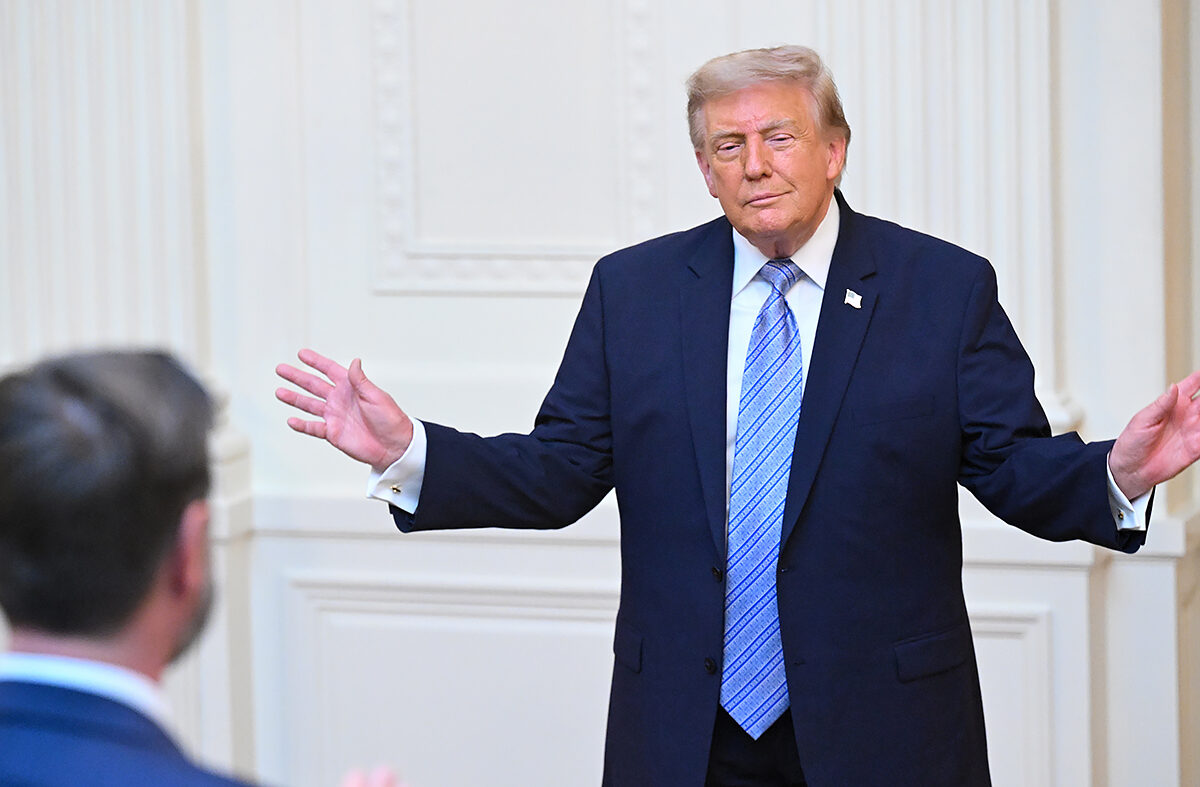
President Trump gestures after speaking in the East Room of the White House, Thursday, July 16, 2026, in Washington, D.C. Image Credit: Saul Loeb/Pool via AP
Despite renewed support from President Donald Trump to make daylight saving time permanent, millions of Americans are still expected to turn their clocks back on Sunday, November 1, 2026, as Congress has yet to pass legislation ending the twice-yearly time change.
The issue has returned to the national spotlight following Trump’s public backing of the Sunshine Protection Act, legislation designed to keep daylight saving time in effect year-round. Although the proposal has gained momentum in Congress and enjoys support from many lawmakers and voters, it has not yet become law.
As a result, most of the United States will continue following the current federal schedule, meaning clocks will “fall back” by one hour at 2:00 a.m. local time on November 1, marking the return to standard time.
Trump Urges Congress to Make Daylight Saving Time Permanent
President Trump has openly encouraged lawmakers to approve legislation that would permanently end seasonal clock changes. He has reportedly been lobbying members of Congress in support of the measure, arguing that Americans are ready to eliminate the inconvenience of changing clocks twice each year.
The proposal has already cleared the U.S. House of Representatives, but its future now rests with the Senate, where lawmakers remain divided over whether permanent daylight saving time or permanent standard time is the better long-term solution.
Senate leadership has indicated that the legislation still faces significant hurdles before reaching the president’s desk.
Why Americans Will Still Change Their Clocks This Year
Although public support for ending the biannual clock change continues to grow, federal law has not changed.
Unless Congress passes new legislation before November, Americans in most states will still move their clocks back one hour on Sunday, November 1, 2026.
The shift officially ends daylight saving time and restores standard time for the winter months, bringing earlier sunsets but brighter mornings.
Current law requires daylight saving time to begin on the second Sunday in March and end on the first Sunday in November each year.
Growing Public Support to End Seasonal Clock Changes
Public opinion has increasingly shifted toward eliminating the twice-yearly clock adjustment.
Several national polls show that a majority of Americans would prefer a permanent system, though opinions remain divided over whether the country should adopt permanent daylight saving time or permanent standard time.
Supporters argue that ending clock changes would improve convenience, reduce confusion, and eliminate disruptions to daily routines, particularly for families, schools, and businesses.
READ ALSO
Health Experts Continue Warning About Clock Changes
Medical professionals and sleep researchers have long argued that changing clocks twice a year disrupts the body’s natural circadian rhythm.
According to sleep experts, the spring transition—when clocks move forward by one hour—is associated with increased fatigue, sleep deprivation, workplace accidents, traffic collisions, and short-term cardiovascular risks.
Many researchers believe permanent standard time better aligns with the body’s biological clock and provides healthier sleep patterns throughout the year.
The ongoing debate has placed health considerations alongside economic and political arguments in discussions over future timekeeping policy.
States That Already Do Not Observe Daylight Saving Time
Not every part of the United States follows daylight saving time.
Hawaii, most of Arizona (excluding the Navajo Nation), Puerto Rico, Guam, American Samoa, the U.S. Virgin Islands, and the Northern Mariana Islands remain on standard time throughout the year.
Residents in those locations will not adjust their clocks this November.
Will Daylight Saving Time End Permanently?
For now, there is no guarantee that seasonal clock changes will end before November.
Although President Trump continues pressing lawmakers to approve permanent daylight saving time, Congress must pass the legislation before any nationwide changes take effect.
Until then, Americans should expect another familiar ritual: setting clocks back one hour on November 1, 2026, while lawmakers continue debating whether the country’s long-running timekeeping tradition should finally come to an end.
FAQ
Will daylight saving time end in 2026?
No. Daylight saving time will end on Sunday, November 1, 2026, at 2:00 a.m. local time, when clocks move back one hour to 1:00 a.m.
Is Donald Trump ending daylight saving time?
Not yet. President Donald Trump supports making daylight saving time permanent and has urged lawmakers to pass legislation. However, Congress has not approved a final law, so Americans will still change their clocks this year.
When do clocks fall back in 2026?
Most Americans will set their clocks back one hour at 2:00 a.m. on Sunday, November 1, 2026.
Why are Americans still changing their clocks?
Current federal law still requires most states to observe daylight saving time. Although lawmakers have introduced several bills to eliminate seasonal clock changes, none has become law.
What is the Sunshine Protection Act?
The Sunshine Protection Act is proposed federal legislation that would make daylight saving time permanent across most of the United States, eliminating the twice-yearly clock changes.
Has Congress passed Trump’s daylight saving proposal?
The U.S. House has approved legislation supporting permanent daylight saving time, but the proposal still requires Senate approval before it can become law.
Why does Donald Trump support permanent daylight saving time?
Trump has argued that ending the twice-yearly clock changes would simplify daily life, improve convenience for Americans, and eliminate the disruption caused by changing clocks twice a year.
Will the Senate approve permanent daylight saving time?
It remains uncertain. Senate leaders have indicated that the proposal may not currently have enough support to pass.
What happens if daylight saving time becomes permanent?
Americans would no longer adjust clocks twice a year. Evening daylight would last longer during winter, while sunrise would occur later in the morning.
What do sleep experts recommend?
Many sleep scientists recommend permanent standard time, arguing it better aligns with the body’s natural circadian rhythm and may reduce health risks associated with clock changes.
What health problems are linked to daylight saving time?
Research suggests seasonal clock changes—especially moving clocks forward in spring—may temporarily increase sleep disruption, fatigue, workplace accidents, traffic crashes, and cardiovascular events.
Which states do not observe daylight saving time?
The following remain on standard time throughout the year:
- Hawaii
- Most of Arizona (except the Navajo Nation)
- Puerto Rico
- Guam
- American Samoa
- Northern Mariana Islands
- U.S. Virgin Islands
Why was daylight saving time introduced?
Daylight saving time was originally introduced to make better use of daylight during warmer months and reduce energy consumption, although experts continue to debate whether it still achieves those goals.
Do Americans want to eliminate clock changes?
Recent surveys indicate that a majority of Americans favor ending the twice-yearly clock changes, though opinions differ on whether the country should adopt permanent daylight saving time or permanent standard time.
When does daylight saving time begin again after November 2026?
If Congress does not change the law, daylight saving time will return on the second Sunday in March 2027, when clocks move forward one hour.
Could daylight saving time become permanent before November 1?
Only if both the U.S. Senate and House approve legislation and it is enacted into law before the scheduled November clock change. As of now, no such law has been finalized.