

Ghana begins emergency evacuation from South Africa amid Xenophobic violence

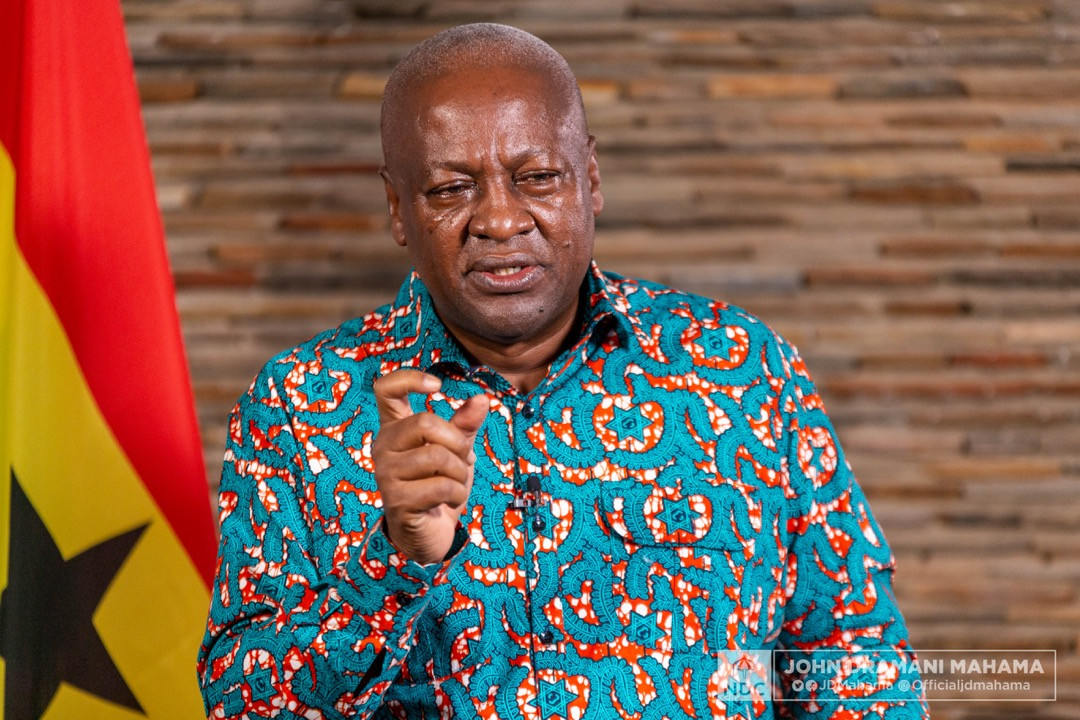
President of Ghana, John Mahama
The Ghanaian government has approved the immediate evacuation of 300 citizens from South Africa following renewed xenophobic attacks targeting foreign nationals and businesses in parts of the country.
Ghana’s President, John Mahama, reportedly granted approval for the emergency evacuation amid growing fears over the safety of African migrants living in South Africa, particularly in KwaZulu-Natal and Durban where tensions have escalated in recent days.
The latest development highlights renewed concerns about xenophobic violence in South Africa, an issue that has repeatedly strained diplomatic relations between African nations over the years.
Ghana Confirms Evacuation Plan for Citizens
Ghana’s Minister for Foreign Affairs, Samuel Okudzeto Ablakwa, announced the evacuation plan in a statement shared on his official X account.
According to him, the affected Ghanaians had earlier complied with the Foreign Ministry’s advisory by registering with the Ghana High Commission in Pretoria for emergency assistance.
Ablakwa stated that the Mahama administration remains committed to protecting Ghanaian citizens abroad and ensuring their safe return amid rising insecurity.
He explained that the evacuation became necessary after reports of harassment, intimidation, and attacks against foreign-owned businesses intensified in some South African communities.
The minister noted that the evacuation process would begin immediately following presidential approval.
Renewed Xenophobic Violence Sparks Panic
The latest wave of xenophobic attacks has once again raised alarm across Africa, with many foreign nationals reportedly fearing for their safety in South Africa.
Reports indicate that businesses owned by immigrants and African migrants have become targets during the unrest, particularly in areas such as Durban and KwaZulu-Natal.
South Africa has experienced multiple episodes of xenophobic violence over the years, often fuelled by frustrations linked to unemployment, poverty, crime, and economic hardship.
Foreign nationals from countries including Nigeria, Ghana, Zimbabwe, Mozambique, Somalia, and Ethiopia have historically been among the most affected during such attacks.
The recurring violence has drawn criticism from African leaders and human rights organisations, many of whom argue that stronger measures are needed to protect migrants and prevent future attacks.
READ ALSO
130 Nigerians sign up for emergency evacuation from South Africa amid rising xenophobia fears
Cyril Ramaphosa faces fresh impeachment drama as South Africa’s top court reopens ‘farmgate’ scandal
Nigeria Also Begins Repatriation Efforts
Ghana is not the only African country responding to the crisis.
Nigeria’s government has also launched a voluntary repatriation programme for citizens affected by the unrest in South Africa.
According to reports, more than 130 Nigerians have already registered with Nigerian diplomatic missions in South Africa for assistance in returning home.
Nigeria’s Minister of State for Foreign Affairs, Bianca Odumegwu-Ojukwu, reportedly confirmed that the Federal Government was closely monitoring developments and providing support for distressed Nigerians.
President Bola Tinubu has additionally directed the establishment of crisis notification centres to assist citizens facing danger abroad.
The coordinated responses from Ghana and Nigeria underscore the growing regional concern surrounding the safety of African migrants living in South Africa.
Concerns Grow Over Africa’s Unity and Regional Relations
The renewed attacks have sparked widespread debate online about African unity, migration policies, and the treatment of foreign nationals within the continent.
Many observers argue that xenophobic violence threatens regional integration efforts under the African Union and the African Continental Free Trade Area framework.
Analysts also warn that repeated attacks on foreign nationals could negatively affect South Africa’s diplomatic image and economic relations with neighbouring countries.
Social media platforms have been flooded with emotional reactions from Africans calling for peace, tolerance, and stronger protections for migrants across the continent.
For many affected families, however, the priority remains immediate safety and evacuation.
Mahama Administration Faces Regional Test
For President John Mahama, the evacuation effort represents a major diplomatic and humanitarian response aimed at protecting Ghanaian citizens during a volatile situation abroad.
The move has been praised by some citizens who believe swift intervention was necessary given the risks posed by the violence.
The Ghanaian government has yet to announce whether additional evacuations may be approved depending on how the situation develops in South Africa over the coming days.
Meanwhile, concerns remain high as authorities continue to monitor the security situation.
FAQ
Why is Ghana evacuating citizens from South Africa?
Ghana approved the evacuation of 300 citizens following renewed xenophobic attacks targeting foreigners and foreign-owned businesses in South Africa.
Who approved the evacuation of Ghanaians?
Ghanaian President John Mahama reportedly approved the emergency evacuation process.
How many Ghanaians are being evacuated?
According to Ghana’s Foreign Ministry, about 300 Ghanaians registered for evacuation assistance.
What caused the xenophobic attacks in South Africa?
Xenophobic attacks in South Africa are often linked to economic hardship, unemployment, crime concerns, and tensions involving migrants and foreign-owned businesses.
Which areas in South Africa are affected?
Reports mention KwaZulu-Natal and Durban among the areas where attacks and harassment have intensified.
Are Nigerians also leaving South Africa?
Yes. Nigeria has launched a voluntary repatriation programme, and more than 130 Nigerians have reportedly registered for assistance.
Who is Samuel Okudzeto Ablakwa?
Samuel Okudzeto Ablakwa is Ghana’s Minister for Foreign Affairs and announced the evacuation plans through an official statement.
Has South Africa experienced xenophobic attacks before?
Yes. South Africa has witnessed several waves of xenophobic violence over the years involving attacks on foreign nationals from other African countries.
What is Ghana doing to protect its citizens abroad?
The Ghanaian government says it is working through diplomatic channels and emergency evacuation efforts to ensure the safety of its nationals overseas.
Could more evacuations happen?
Additional evacuations may happen depending on how the security situation develops in South Africa.