

Germany In-Demand Jobs: 31 Professions Open to Foreign Workers in 2026

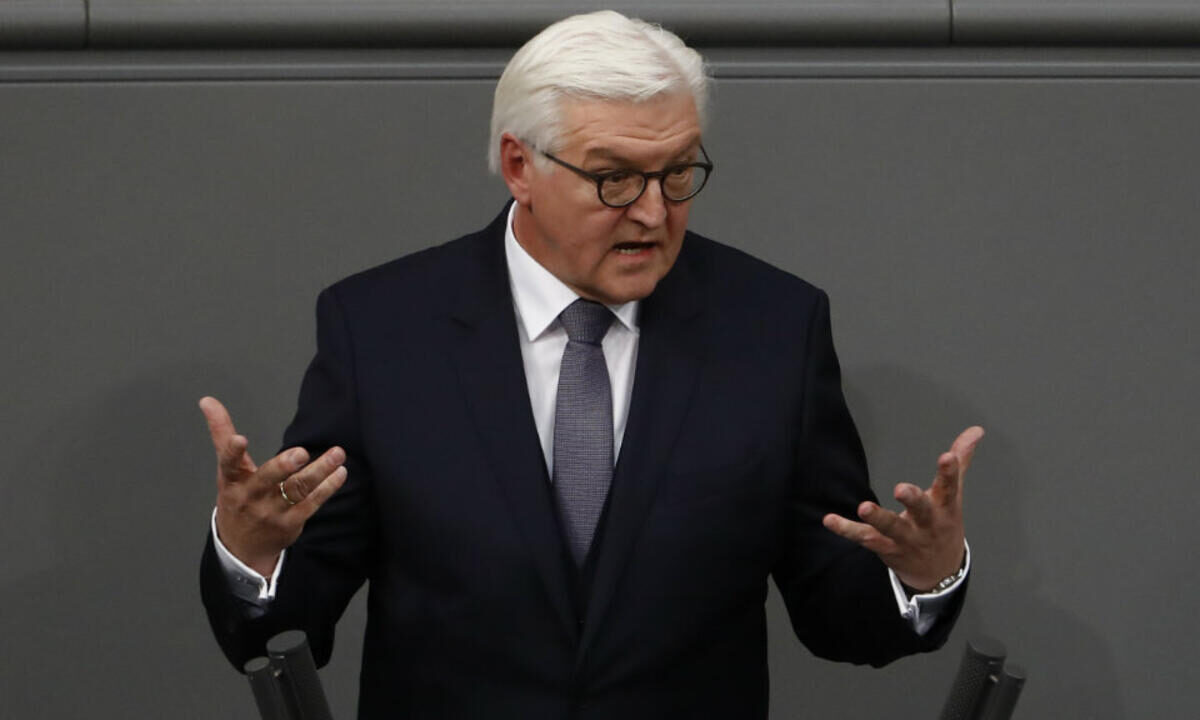
President of Germany, Frank-Walter Steinmeier
Germany is expanding opportunities for international skilled workers as employers continue to look for qualified professionals across healthcare, engineering, information technology, education, transport and other industries.
The country’s official Make it in Germany portal currently identifies several fields where skilled workers are particularly sought after, including nursing, medicine, engineering, IT, science, skilled trades, transport and green jobs. It also highlights additional opportunities in medical technology, hospitality, gastronomy and education.
For foreigners considering Germany as a destination for employment, the list provides a useful starting point, but having an occupation on an in-demand list does not by itself guarantee a job or residence permit. Qualifications, recognition requirements, language ability and the specific immigration route still matter.
Germany’s 31 in-demand jobs for foreign workers
The professions highlighted in the current guidance cover a wide range of industries.
Healthcare and medical jobs
Healthcare remains one of Germany’s major areas of demand. The government identifies nursing professionals and physicians among the professions particularly sought after by employers.
Other medical and healthcare occupations listed include:
- Dental assistants
- Medical assistants
- Veterinary assistants
- Physiotherapists
- Occupational therapists
- Pharmacists and pharmacologists
- Radiologic technologists
- Surgical technologists and anaesthesia assistants
- Paramedics and emergency medical technicians
- Podiatrists
- Nurses
- Physicians
Germany’s official portal says qualified healthcare professionals are needed to maintain the country’s healthcare system, with nursing and medical roles among the areas experiencing demand.
Medical technology jobs are also in demand
Germany’s demand extends beyond doctors and nurses.
The official immigration portal identifies several medical-technology professions where qualified international workers can find opportunities.
These include:
- Dental technicians
- Hearing aid acousticians
- Opticians
- Orthopaedic technicians
The medical technology sector combines healthcare with technical skills and is described by the German government as an innovative and growing part of the country’s healthcare system.
Engineering and IT remain major opportunities
Engineering and information technology are among the most prominent areas of demand for skilled professionals in Germany.
The government specifically lists engineers, IT specialists and scientists among professions in demand.
Germany’s official IT information says about 109,000 IT positions remained vacant in 2025, with demand spanning software development, application support, IT security and data science.
AI-related skills are also becoming increasingly relevant. The German government portal identifies opportunities for data scientists, AI engineers, AI-focused software developers, computer scientists and database specialists.
For foreign technology workers, the immigration system also provides routes that can be available even to some experienced IT specialists without a university degree, subject to the applicable requirements.
Scientists and skilled trades are needed
Germany is also looking internationally for scientists and workers in skilled trades.
The government’s in-demand professions list includes scientists working in areas such as biotechnology, energy, environmental engineering and pharmaceuticals.
Skilled trades are another important area because Germany’s manufacturing and small and medium-sized business sectors depend heavily on qualified craft workers.
The official portal describes craftspeople as an important part of the German economy and says demand for skilled workers remains high in the sector.
Transport and green jobs feature on the list
Transport is another field highlighted by Germany.
The government says skilled workers are needed across transportation, including jobs connected with trains, heavy goods vehicles and ships.
Germany is also promoting green jobs as its economy expands in sustainable industries. The country’s official portal says new opportunities are emerging in sustainable sectors and encourages qualified professionals to explore careers in the green economy.
READ ALSO
New Zealand Lists 20 Jobs Under Red, Amber Categories: What Migrants Need to Know
Germany Permanent Residence: 4 Groups Can Qualify Faster, Including Graduates After 2 Years
Education and social care workers are wanted
Demand is not limited to technical occupations.
Germany’s official guidance identifies several education and social-care professions, including:
- Educators
- Social education workers
- Social workers
- Teachers in selected subjects and types of schools
The government says there is a continuing need for qualified workers in education to support children and young people and maintain school education services.
Hospitality and gastronomy jobs make the list
The hotel and gastronomy sector is another area where Germany is seeking skilled workers.
The listed occupations include:
- Hotel industry experts
- Restaurant specialists
- Systems catering specialists
- Cooks
Germany’s official portal says tourism and gastronomy are important parts of the economy and that employers continue to seek qualified workers in the sector.
Does Germany guarantee jobs to foreigners in these professions?
No.
Being employed in an occupation identified as in demand does not mean a foreign applicant automatically receives a job, visa or residence permit.
Germany’s official guidance makes an important distinction: the country does not have a nationwide shortage affecting every occupation. Labour shortages vary according to profession, qualification level and region. Technical and healthcare occupations are among those particularly affected.
Applicants therefore still need to meet the requirements for their profession and immigration pathway.
Can Nigerians apply for jobs in Germany?
Nigerians can explore employment opportunities in Germany, provided they meet the relevant requirements for their occupation and immigration status.
Non-EU citizens generally need an appropriate residence permit to work in Germany. The exact route depends on factors such as qualifications, employment, salary and occupation.
Germany’s skilled immigration framework has also expanded some routes for international professionals. For example, the rules provide specific opportunities for certain IT specialists, including experienced professionals who do not hold a university degree.
What qualifications do foreigners need?
Requirements depend on the profession.
Regulated professions, particularly many healthcare occupations, can require formal recognition of foreign qualifications before the person can work in the profession.
For other occupations, the applicable immigration route may recognise different forms of education and professional experience.
Germany’s official portal separates qualified workers into categories based on their level of vocational or academic training, including skilled professionals, specialists and experts.
Applicants should therefore check the specific requirements attached to their occupation rather than relying solely on a general list of jobs in demand.
Germany’s job market has thousands of vacancies
The demand is also visible in Germany’s official job portal.
The Make it in Germany job exchange currently lists tens of thousands of vacancies across sectors, including healthcare and education, construction and technical services, transport and logistics, manufacturing, hospitality and business services.
The portal also allows international applicants to search vacancies by job title, skills and sector.
For prospective applicants, this means the next step after identifying an in-demand profession is checking actual vacancies and determining whether their qualifications match the employer’s requirements.
Frequently asked questions about Germany in-demand jobs
What jobs are in high demand in Germany in 2026?
Germany identifies nursing professionals, physicians, engineers, IT specialists, scientists, craftspeople and transport workers among its major in-demand professions. Other demand areas include medical technology, education, hospitality and gastronomy.
Which jobs can foreigners get in Germany?
Foreigners with suitable qualifications can apply for jobs across numerous sectors, including healthcare, engineering, IT, science, skilled trades, transport, education, hospitality and green industries. Eligibility depends on the specific job and immigration requirements.
Are nurses in demand in Germany?
Yes. Nursing professionals are specifically listed by the German government as an in-demand profession.
Is IT still in demand in Germany?
Yes. Germany’s official portal says around 109,000 IT positions remained vacant in 2025, with demand for software developers, IT security professionals, data scientists and other specialists.
Can I work in Germany without a university degree?
Yes, depending on the occupation and immigration route. Germany has pathways for qualified vocational workers, while some IT specialists can qualify based on professional experience even without a university degree, subject to the applicable requirements.
Is Germany hiring foreign workers in hospitality?
Yes. Hotel professionals, restaurant specialists, systems catering specialists and cooks are among the occupations highlighted by the German government.
Do I need to speak German to work in Germany?
Language requirements vary by occupation, employer and immigration route. Some positions may be available in English, particularly in international companies and parts of the technology sector, while regulated professions and many customer-facing jobs can have specific German-language requirements.
Where can I find jobs in Germany from abroad?
The German government’s Make it in Germany job exchange allows international professionals to search current vacancies by job title, skills and sector.