

From ₦1.5m to ₦8.5m: How Much More Nigerians Now Pay for Used Cars

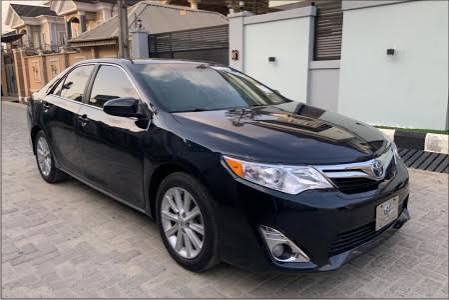
Buying a fairly used car in Nigeria is becoming increasingly expensive, with even older models of the popular Toyota Corolla now selling for millions of naira as import costs, exchange rates and other expenses affect the automobile market.
A Toyota Corolla that once served as an affordable entry point for Nigerians hoping to own a car is increasingly becoming difficult to afford.
The 2005 model, popularly known for its relatively affordable maintenance and fuel efficiency, now commands prices of up to ₦8.5 million in Nigeria’s foreign-used car market.
The development reflects the wider increase in the cost of imported vehicles, forcing prospective buyers to reconsider their budgets or settle for older, locally used alternatives.
Recent market checks reported by Legit.ng show that dealers have released fresh prices for foreign-used vehicles, with the Toyota Corolla among the models attracting attention.
How much Toyota Corolla and other cars now cost
The Toyota Corolla remains one of Nigeria’s most sought-after used cars because of its fuel economy, availability of spare parts and relatively affordable maintenance.
However, its purchase price has changed considerably.
A clean foreign-used 2005 Corolla can now cost as much as ₦8.5 million, depending on its condition and specifications.
Other models have also become increasingly expensive.
According to market listings reviewed by Legit.ng, older Toyota Corolla models generally fall within different price brackets depending on their manufacturing years, mileage and condition.
For buyers considering alternatives, the Toyota Camry and Honda Accord also remain popular choices. However, their prices vary considerably between foreign-used and Nigerian-used versions.
The difference is important because buyers working with limited budgets may find locally used vehicles more affordable than comparable foreign-used models.
Why older cars are becoming more expensive
One major factor affecting vehicle prices is the cost of importing cars into Nigeria.
Dealers must account for the purchase price abroad, exchange rates, shipping, insurance, customs charges, port expenses and transportation before placing vehicles on sale.
Consequently, changes in the exchange rate can affect how much importers spend to acquire vehicles and how much they eventually charge Nigerian buyers.
Nigeria’s vehicle import bill also provides an indication of the scale of activity in the market.
An analysis of National Bureau of Statistics data by Nairametrics showed that passenger motor vehicle imports rose to ₦1.18 trillion in the first half of 2026, representing a 145.6% increase from ₦479.26 billion recorded in the corresponding period of 2025.
However, the figures measure the value of imported vehicles, not the number of cars brought into the country.
The increase highlights the growing value of Nigeria’s vehicle imports, although it does not independently establish the reasons behind individual car price increases.
Why cheaper import duties have not reduced car prices
The Federal Government introduced changes to vehicle import duties under its 2026 fiscal policy measures.
The adjustments reduced the import levy on used vehicles from 15% to 5%, while the levy on brand-new vehicles fell from 20% to 10%.
The policy was expected to reduce the cost of importing vehicles and potentially make them more affordable.
However, lower duties do not automatically translate into cheaper cars.
Importers still contend with exchange rate movements, shipping expenses, port charges and other costs associated with bringing vehicles into the country.
Dealers may also be reluctant to reduce their selling prices immediately because some vehicles in their inventory were imported when landing costs were higher.
In an October 26 report, The Guardian quoted the General Secretary of the Car Dealers Association, Theo Olaniran, as saying dealers had yet to experience a significant impact from the government’s intervention.
He identified exchange rates, freight, insurance, customs clearance and other operating expenses as factors affecting vehicle prices.
What this means for Nigerians hoping to buy cars
The rising cost of foreign-used vehicles is making car ownership increasingly challenging for Nigerians working with limited budgets.
For prospective buyers, the distinction between foreign-used and locally used vehicles has become particularly important.
A Nigerian-used car may offer a cheaper entry point, although its maintenance history, accident record and mechanical condition require careful inspection.
Meanwhile, buyers interested in foreign-used vehicles must consider not only the advertised price but also the condition, mileage, documentation and history of the car.
For now, the Toyota Corolla’s rising price illustrates a wider challenge in Nigeria’s automobile market: even older vehicles are becoming expensive purchases for households already dealing with higher living costs.