

Planning to Study in Canada? 8 Groups of Foreigners Who May Not Need a Study Permit

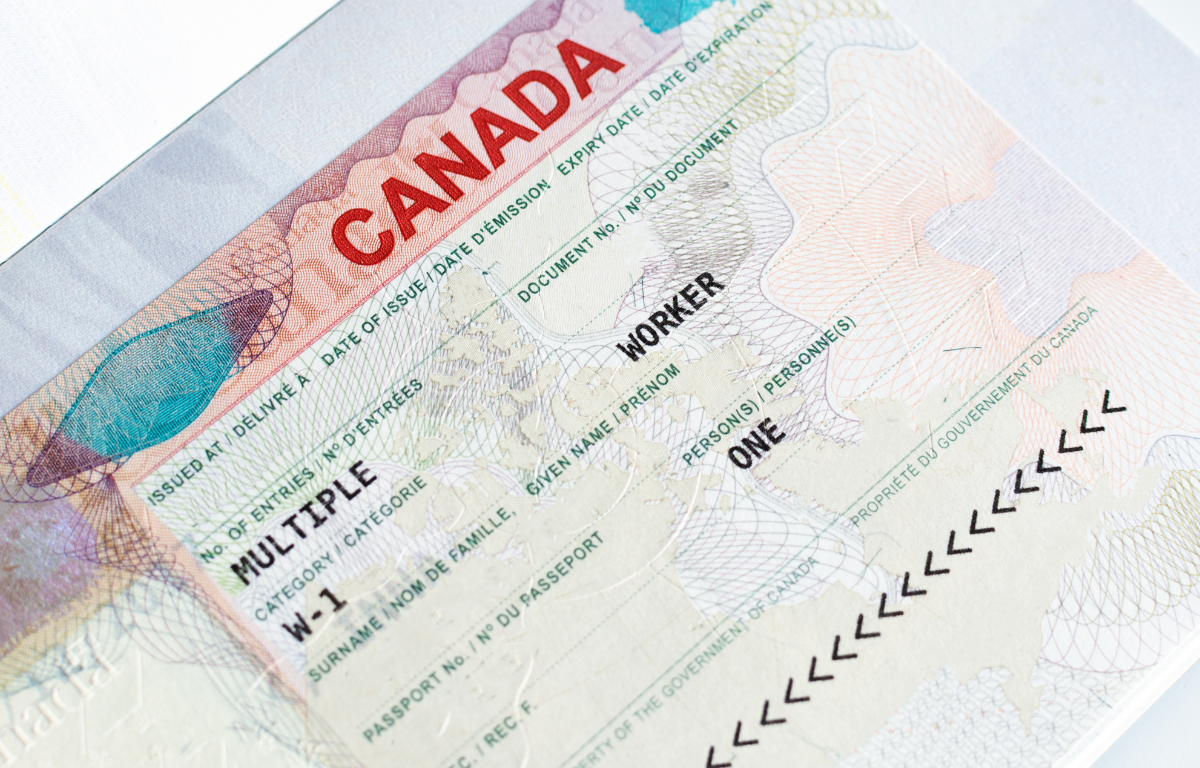
Canada Study Permit
Foreign nationals planning to study in Canada may not always need a study permit before enrolling in an educational programme. The Canadian government has outlined specific exemptions allowing certain categories of people to study in the country without obtaining the document.
While most international students must secure a valid study permit before beginning their studies, exemptions apply to short-term students, some minor children, construction apprentices and other groups who meet specific conditions.
According to guidance published by the Canadian government, these exemptions are not universal. Eligibility depends on an individual’s immigration status, the nature of the programme and, in some cases, the institution or government authority involved.
8 Categories of Foreigners Who Can Study in Canada Without a Study Permit
The following categories of foreign nationals may be eligible to study in Canada without first obtaining a study permit.
1. Students Taking Courses That Last Six Months or Less
Foreign nationals whose study programme lasts six months or less may study in Canada without a study permit.
This exemption applies to short-term programmes, provided they meet the applicable conditions. Students planning to continue their studies beyond the permitted period should consider the appropriate immigration requirements before enrolling.
2. Family Members and Staff of Foreign Representatives
Family members or staff members of foreign representatives accredited by Global Affairs Canada (GAC) may qualify for a study permit exemption.
However, their eligibility must be confirmed by the relevant embassy with Global Affairs Canada before relying on the exemption.
3. Members of Foreign Armed Forces on Official Duties
Members of foreign armed forces from countries designated under Canada’s Visiting Forces Act may study without a permit while in Canada on official duties.
They must also hold a letter of acceptance from Canada’s Department of National Defence to qualify under this category.
4. People With Registered Indian Status in Canada
People who have Registered Indian status in Canada are exempt from the study permit requirement, even if they also hold citizenship in another country.
This exemption is based on their registered status rather than their nationality.
5. Certain Minor Children
Some foreign minor children can attend school in Canada without obtaining a study permit.
The exemption covers children who are refugees or refugee claimants, those whose parents are refugees, permanent residents or Canadian citizens, and children attending preschool, primary or secondary school.
It also applies to eligible children who are accompanied by an authorised parent or guardian, as well as those attending school unaccompanied.
However, the Canadian government notes that obtaining a study permit may still offer additional benefits to minor children.
READ ALSO
US M Visa: 5 Things Foreign Students Must Know Before Enrolling in Vocational Schools
6. Temporary Residents and Asylum Seekers Taking French Courses in Quebec
Temporary residents and asylum seekers in Quebec may study without a permit when enrolled in French language and cultural integration courses.
The exemption is specifically linked to these courses and should not be interpreted as permission to enrol in every type of educational programme without a study permit.
7. Temporary Residents Taking Government Settlement Courses
Foreign nationals with temporary resident status may qualify for an exemption when taking settlement and integration courses offered by a provincial or territorial government.
The exemption covers programmes provided through the relevant government authorities.
8. Construction Apprentices With Valid Work Permits
Certain foreign construction workers may study without a separate study permit if they meet specific requirements.
They must hold a valid work permit, work in an eligible construction occupation and have an apprenticeship agreement registered with the relevant provincial or territorial authority.
This exemption provides an opportunity for qualifying workers to undertake apprenticeship training while meeting the conditions attached to their work status.
Can Foreign Workers in Canada Study Without a Permit?
Foreign nationals who hold a valid Canadian work permit may also be allowed to study without obtaining a separate study permit if their programme lasts six months or less.
Under this exemption, the study authorisation lasts for up to six months or until the work permit expires, whichever comes first.
Workers considering further education should check the duration of their work authorisation and the conditions attached to the programme before enrolling.
Why Minor Children May Still Need a Canadian Study Permit
Even when minor children qualify for an exemption, the Canadian government says obtaining a valid study permit can provide additional advantages.
These include access to a secondary school co-op work permit, eligibility for certain social services in some provinces or territories, and the ability to move between education levels without applying for a new permit.
The exemption also does not remain unlimited as a child grows older.
Once a minor reaches the age of majority, which is 18 or 19 depending on the province or territory, they must apply for a study permit if they intend to continue studying in Canada.
What Foreigners Should Know Before Studying in Canada Without a Permit
The exemptions do not mean that every foreign national can travel to Canada and enrol in a school without immigration documentation.
Prospective students should establish whether they fall into one of the recognised categories and confirm that they meet all the conditions attached to the exemption.
Those planning to study for more than six months should also pay particular attention to the applicable study permit requirements, as the short-term exemption does not automatically cover longer programmes.
The Canadian government’s guidance provides options for specific groups, but students should verify their eligibility before making travel, admission or financial arrangements.
Frequently Asked Questions
1. Can foreigners study in Canada without a study permit?
Yes. Canada’s immigration rules provide exemptions for specific categories of foreign nationals, including short-term students, certain minor children and eligible construction apprentices.
2. How long can I study in Canada without a study permit?
Foreign nationals taking programmes lasting six months or less may qualify for an exemption, provided they meet the applicable conditions.
3. Can international students take a one-year course in Canada without a study permit?
The short-term exemption described in the guidance applies to programmes lasting six months or less. A one-year programme does not qualify under that exemption.
4. Can minor children attend school in Canada without a study permit?
Certain minor children, including refugees, refugee claimants and children of Canadian citizens or permanent residents, may attend preschool, primary or secondary school without a study permit under the stated conditions.
5. Can a foreign worker in Canada study without a study permit?
Yes. A foreign national with a valid work permit may study without a separate permit if the programme lasts six months or less. The exemption ends when the work permit expires or the six-month period ends, whichever comes first.
6. Can asylum seekers study French in Quebec without a study permit?
Temporary residents and asylum seekers may qualify for an exemption when taking French language and cultural integration courses in Quebec.
7. Can construction workers study in Canada without a study permit?
Certain foreign construction workers can undertake apprenticeship training without a separate study permit if they hold a valid work permit, work in an eligible construction occupation and have a registered apprenticeship agreement.
8. What happens when a minor child in Canada turns 18 or 19?
Once the child reaches the age of majority in their province or territory, they must apply for a study permit if they want to continue studying in Canada.
9. What are the benefits of a study permit for minor children?
A study permit may provide access to a secondary school co-op work permit, eligibility for certain provincial or territorial social services and flexibility to move between education levels without applying for a new permit.
10. Do all foreign students in Canada need a study permit?
Most foreign students need one, but the Canadian government recognises specific exemptions for eligible individuals and programmes. Eligibility depends on the person’s circumstances and the conditions of the exemption.