

Flash flood warnings issued as heavy rain triggers dangerous flooding risks: What residents need to know right now

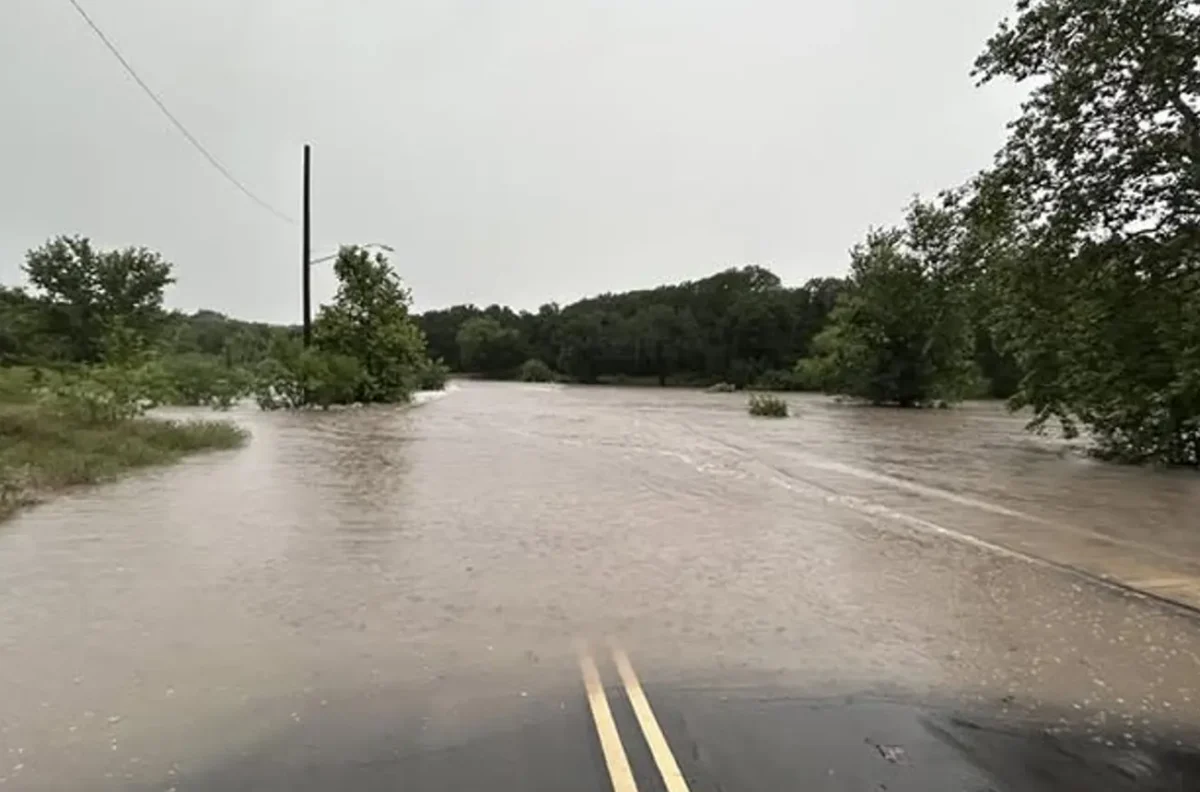
Flash flood warnings issued as heavy rain causes flooding concerns
Communities across parts of the United States are facing heightened flood risks after the National Weather Service (NWS) issued multiple flash flood warnings amid intense thunderstorms and heavy rainfall. Meteorologists warned that rapidly accumulating rainfall could trigger dangerous flooding in low-lying areas, roads, streams, and urban centers, prompting officials to urge residents to remain vigilant.
The warnings come as several regions recorded significant rainfall totals within a short period, increasing the likelihood of flash flooding and hazardous travel conditions. Weather experts emphasise that flash floods can develop with little warning and remain one of the deadliest weather-related hazards.
Heavy Rainfall Triggers Flash Flood Warnings
According to weather officials, thunderstorms produced between 1 and 3 inches of rain in some affected areas, with additional rainfall expected. Such rainfall rates can quickly overwhelm drainage systems and waterways, leading to dangerous flooding conditions.
In Washington County, authorities reported ongoing or imminent flash flooding as storms continued to move through the region. Similar concerns emerged in parts of North Texas, where heavy downpours prompted flash flood warnings across portions of Dallas, Denton, and Collin counties.
Meteorologists noted that saturated ground conditions can worsen flooding impacts, causing runoff to accumulate rapidly and increasing risks for motorists and residents in vulnerable locations.
Why Flash Floods Are So Dangerous
Unlike river flooding, which often develops gradually, flash floods can occur within minutes or hours after intense rainfall. Water levels can rise unexpectedly, leaving little time for evacuation or preparation.
The National Weather Service repeatedly stresses the message: “Turn Around, Don’t Drown.” Many flood-related fatalities occur when drivers attempt to cross flooded roadways.
Even shallow moving water can be extremely dangerous:
- Six inches of moving water can knock a person off their feet.
- Twelve inches of rushing water can carry away many vehicles.
- Floodwaters may conceal debris, washed-out roads, or electrical hazards.
These risks make flash flooding particularly deadly during periods of heavy rainfall and thunderstorms.
Understanding Flood Watches, Warnings, and Advisories
Many residents often confuse flood-related weather alerts. Experts explain that each alert carries a different level of urgency.
Flash Flood Warning
A flash flood warning means flooding is either already occurring or expected to occur very soon. Immediate action should be taken to move to higher ground.
Flood Warning
A flood warning indicates that flooding is imminent or already happening but may not be developing as rapidly as a flash flood.
Flood Watch
A flood watch means conditions are favorable for flooding. Residents should monitor forecasts and be prepared to act if conditions worsen.
Flood Advisory
A flood advisory signals minor flooding that may cause inconveniences but generally falls below warning-level severity.
Understanding these distinctions can help people respond appropriately during severe weather events.
READ ALSO
Safety Officials Urge Residents to Take Precautions
Emergency management officials are encouraging residents to follow flood safety guidance throughout the storm period.
Recommended precautions include:
- Move to higher ground if flooding threatens your area.
- Follow evacuation orders immediately.
- Avoid walking or driving through floodwaters.
- Stay away from drainage ditches and fast-moving streams.
- Monitor local weather alerts and emergency notifications.
- Keep headlights on while driving during heavy rainfall.
- Increase following distance on wet roads.
Authorities also recommend avoiding flooded basements or rooms containing electrical outlets and wiring, as water can create life-threatening electrical hazards.
Travel Risks Increase During Heavy Rainfall
Road conditions often become most dangerous during the first stages of rainfall. Oil, dirt, and debris on pavement mix with rainwater, reducing tire traction and increasing the risk of accidents.
Weather experts advise drivers to:
- Slow down significantly during heavy rain.
- Avoid sudden braking or sharp turns.
- Stay in middle lanes where possible, as water often pools in outer lanes.
- Keep windshield wipers functioning properly.
- Pull over safely if visibility becomes severely limited.
Transportation officials warn that many flood rescues occur when motorists underestimate the depth or force of moving water.
More Storms and Weather Threats Expected
Forecasters say showers and thunderstorms could continue in several regions over the coming days. While some areas may experience temporary relief from extreme heat due to passing cold fronts, humidity and additional rainfall remain possible.
Residents planning outdoor activities, holiday gatherings, or weekend travel are encouraged to monitor local forecasts closely and remain alert for rapidly changing weather conditions.
The Bottom Line
Flash flood warnings serve as a critical reminder of how quickly severe weather can become dangerous. With heavy rain already producing flooding in multiple regions, officials stress that preparation, awareness, and timely action can save lives.
As storms continue to move through affected areas, the simplest advice remains the most important: never drive through flooded roads and always seek higher ground when floodwaters begin to rise.
FAQ
What is a flash flood warning?
A flash flood warning is issued when flash flooding is imminent or already occurring. People in affected areas should move to higher ground immediately and avoid flooded roads.
What causes flash floods?
Flash floods are typically caused by intense rainfall over a short period. They can also occur when drainage systems become overwhelmed or when water rapidly accumulates in low-lying areas.
What should I do during a flash flood warning?
Move to higher ground, avoid floodwaters, follow local emergency instructions, and monitor official weather updates.
Is it safe to drive through floodwater?
No. Just 12 inches of moving water can sweep away many vehicles. Drivers should never attempt to cross flooded roads.
What is the difference between a flood watch and a flood warning?
A flood watch means flooding is possible. A flood warning means flooding is imminent or already happening and immediate action may be required.
How much water can knock a person down?
As little as six inches of fast-moving water can knock an adult off their feet.
Why are flash floods considered dangerous?
Flash floods develop rapidly and often occur with little warning. They can trap motorists, damage property, and create life-threatening conditions within minutes.
How long does a flash flood warning last?
The duration varies depending on weather conditions, but warnings generally remain active until the flooding threat has passed.
Can flash floods happen without rain falling where I am?
Yes. Floodwaters can travel from upstream areas, causing flooding even where local rainfall is minimal.
How can I stay informed about flood warnings?
Monitor National Weather Service updates, local news broadcasts, weather apps, emergency alert systems, and official government communications.