
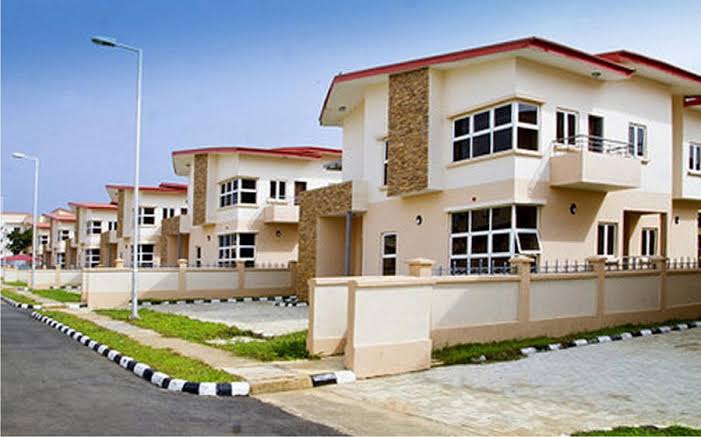
The Federal Government’s ₦100 million housing mortgage allows eligible Nigerians to borrow money to purchase residential properties. However, meeting the basic requirements does not guarantee approval, as participating banks must assess applicants’ income, credit history and property documents.
Nigerians applying for the Federal Government’s ₦100 million housing mortgage may face rejection if they fail to meet the lending requirements of participating financial institutions.
The mortgage operates under the Ministry of Finance Incorporated Real Estate Investment Fund (MREIF). It provides eligible homebuyers with access to financing at an annual interest rate of 9.75 per cent and a repayment period of up to 20 years.
The facility allows applicants to borrow between ₦10 million and ₦100 million, subject to the lender’s assessment.
However, the application process involves more than completing an online form. Banks must establish that applicants can repay their loans and that the properties they intend to purchase meet the programme’s requirements.
Here are seven factors that could affect an applicant’s chances of securing the mortgage.
1. Insufficient monthly income
One major reason a mortgage application may be declined is insufficient income.
Banks assess applicants’ earnings to determine whether they can comfortably repay the proposed mortgage alongside their existing financial obligations.
For instance, someone seeking a ₦100 million mortgage may need to demonstrate a significantly higher income than someone applying for ₦10 million.
The estimated monthly repayment on a ₦100 million mortgage at 9.75 per cent over 20 years is approximately ₦948,517.
Applicants whose earnings cannot support the repayment may be offered a smaller loan or declined.
2. Poor credit history
A poor credit record can also affect an applicant’s chances of securing the facility.
Financial institutions examine borrowers’ credit histories to understand how they have handled previous loans and other financial obligations.
Applicants with outstanding loan defaults, unpaid debts or a history of missed repayments may face difficulties.
According to MREIF’s eligibility requirements, prospective borrowers must have a satisfactory credit score.
Therefore, Nigerians planning to apply should check their credit records and resolve outstanding financial obligations where possible.
3. Failure to provide the required deposit
Applicants must contribute their required share of the property’s purchase price before accessing mortgage financing.
The equity contribution is an important part of the application because the mortgage does not necessarily cover the entire cost of the house.
Some participating lenders advertise a minimum contribution of 10 per cent under their MREIF offerings. However, applicants should confirm the applicable requirement with their chosen institution because published programme and lender requirements may differ.
For example, someone purchasing a house worth ₦50 million would need ₦5 million if the applicable equity requirement is 10 per cent.
An applicant who cannot provide the required contribution may be unable to complete the mortgage process.
4. Exceeding the age or repayment limit
Age is another factor that can affect mortgage approval.
MREIF’s published eligibility conditions require borrowers to be at least 21 years old and not older than 60 when the mortgage expires.
This means an applicant’s age must be considered alongside the proposed repayment period.
For example, someone approaching the programme’s maximum age may not qualify for the full 20-year repayment period.
Participating banks may also apply employment-related retirement conditions when assessing salaried applicants.
5. Incomplete or inconsistent application documents
Submitting incomplete or inconsistent documents can delay an application or affect its approval.
Banks need sufficient information to verify an applicant’s identity, employment, income and financial capacity.
Documents commonly requested include:
- Valid means of identification.
- Employment or appointment letter.
- Recent payslips.
- Bank statements.
- Recent utility bill.
- Tax identification or tax clearance documents.
- Property offer letter.
- Relevant property title documents.
Self-employed applicants must also provide evidence of their business activities and verifiable income.
If the information supplied does not match the applicant’s financial records, the lender may request clarification or additional documents.
6. The property fails the lender’s requirements
An applicant may satisfy the financial conditions but still encounter problems if the property they intend to purchase fails the lender’s assessment.
The MREIF mortgage is designed primarily for the purchase of eligible completed residential properties.
Financial institutions must examine the property’s ownership documents and legal status before approving financing.
Stanbic IBTC, for example, lists acceptable documents including Certificates of Occupancy, Deeds of Assignment, Deeds of Sublease and other registered property titles with the required government consent.
A property with disputed ownership, unacceptable title documents or unresolved legal issues may not qualify.
Banks may also conduct property valuations and legal searches before proceeding with the mortgage.
7. Unverifiable employment or business income
Applicants must demonstrate that their income is genuine, consistent and sufficient to support mortgage repayments.
Salaried workers may be required to provide payslips, employment confirmation and bank statements showing their salary payments.
Business owners must demonstrate that their businesses generate sufficient and verifiable cash flow.
For example, someone who declares a monthly business income of ₦2 million but cannot provide financial records to support the claim may face difficulties during the bank’s assessment.
Stanbic IBTC also requires salaried applicants under its MREIF offering to have at least six months of employment with their current employer and confirmed permanent staff status.
These conditions are lender-specific and should not be treated as universal requirements across every participating institution.
How can Nigerians improve their chances of approval?
Prospective applicants can take several steps before submitting their mortgage applications.
First, they should calculate how much they can comfortably borrow based on their monthly income and existing financial commitments.
Second, they should check their credit records and resolve outstanding repayment issues.
Third, they should prepare the required equity contribution and ensure their income documents are complete.
They should also verify the legal status of their preferred property before making financial commitments.
Interested Nigerians can visit the official MREIF pre-qualification portal to estimate their borrowing capacity.
The calculator requests information such as age, employment status, net monthly salary, proposed deposit, repayment period and existing loan obligations.
After completing the exercise, applicants can approach participating financial institutions to confirm their eligibility and obtain the relevant application requirements.
What applicants should understand
The Federal Government’s ₦100 million housing mortgage does not guarantee automatic approval for everyone who applies.
Participating financial institutions must assess borrowers’ financial capacity, credit records, employment information and proposed properties.
Applicants should therefore address potential problems before submitting their applications rather than assume that completing the online pre-qualification exercise guarantees access to the mortgage.