

Femi Falana challenges Military Court over coup trial: Why court-martial lacks legal power in Nigeria

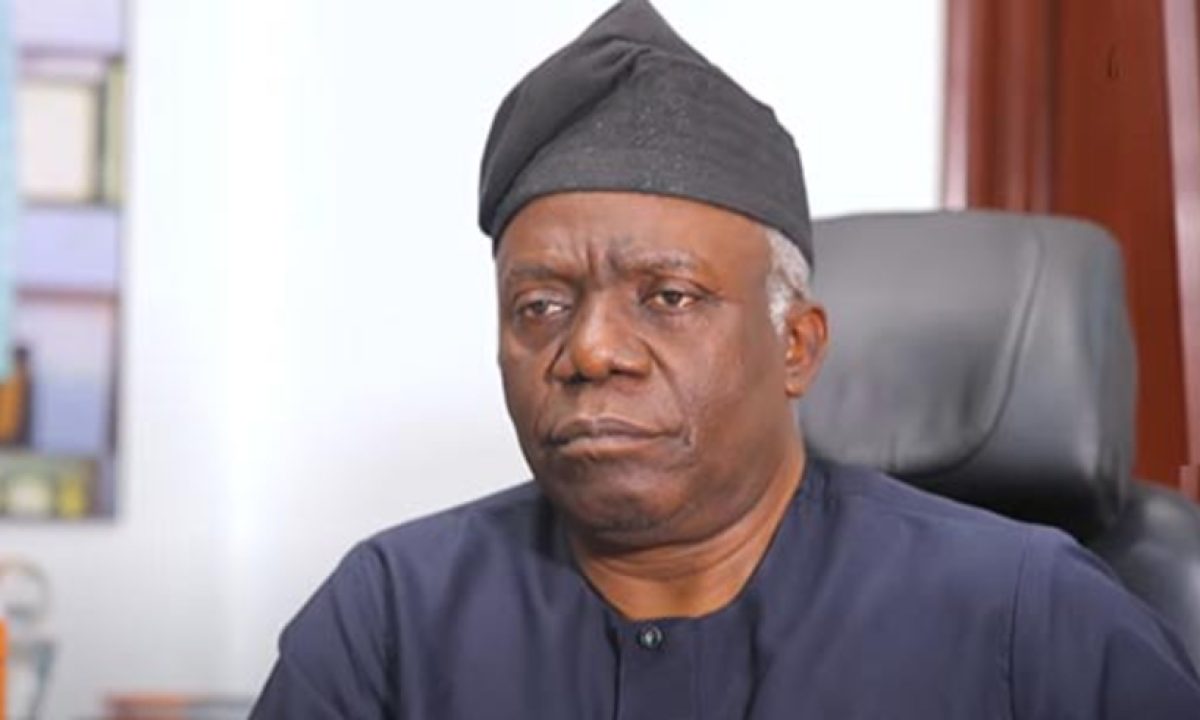
Femi Falana questions legality of coup trial in military court
Human rights lawyer Femi Falana (SAN) has ignited a fresh legal debate in Nigeria, challenging the legitimacy of trying alleged coup plotters before a General Court Martial. His intervention has drawn national attention to constitutional law, military justice, and the limits of legal authority in handling serious offences such as treason.
Falana’s position comes amid the ongoing trial of 36 military officers accused of plotting a coup, a case that has already sparked intense scrutiny across legal and political circles.
Falana Urges Attorney-General to Halt ‘Illegal Trial’
In a strongly worded statement, Falana called on the Attorney-General of the Federation (AGF) to immediately terminate the court-martial proceedings, describing them as unconstitutional. He invoked Section 174 of the Nigerian Constitution, which empowers the AGF to discontinue criminal proceedings deemed unlawful.
According to Falana, offences such as treason and treasonable felony fall strictly under the jurisdiction of the Federal High Court, not military tribunals. He emphasized that continuing the trial under a court martial framework represents a clear violation of constitutional provisions.
Why Court-Martial Lacks Jurisdiction Over Treason Cases
Falana’s argument centers on Section 251 of the Constitution, which grants exclusive authority to the Federal High Court in cases involving national security offences.
He maintained that:
- Court martial panels are not constitutionally empowered to try civilians or military personnel for treason-related offences.
- The use of military tribunals in such cases undermines due process and judicial consistency.
Falana also highlighted a legal contradiction, where some suspects are being tried in civil courts while others face military proceedings for the same allegations. He described this as a breach of the principle of equality before the law.
Dress Code Controversy Adds New Legal Dimension
Beyond jurisdiction, Falana has also criticized the directive requiring lawyers to wear robes before a court martial. He argued that this instruction conflicts with the Rules of Professional Conduct for Legal Practitioners (2023).
According to him:
- Military officers acting as lawyers must operate in their capacity as officers, not legal practitioners.
- Civilian lawyers risk disciplinary action if they wear robes in a setting not recognized as a conventional court.
This aspect of the controversy underscores broader concerns about procedural irregularities within the military justice system.
READ ALSO
Military coups in Nigeria: History, 2025 plot, and democratic stability
Historical Precedents Strengthen Falana’s Argument
Drawing from Nigeria’s history, Falana noted that previous coup-related cases (1976, 1990, 1995) were not handled by standard court martials but by special military tribunals established under specific decrees.
However, since Nigeria’s return to democracy in 1999:
- Such decrees have been abolished.
- Only constitutionally recognized courts can preside over serious criminal cases.
Falana insists that reverting to court-martial proceedings for such offences is both legally outdated and constitutionally flawed.
Implications for Nigeria’s Legal and Democratic System
The controversy surrounding the coup trial raises critical questions about:
- Judicial independence
- Military influence in legal processes
- Adherence to constitutional safeguards
Legal analysts warn that proceeding with the current structure could set a dangerous precedent, potentially weakening public trust in Nigeria’s justice system.
Falana’s intervention is therefore seen not just as a legal argument, but as a defense of democratic principles and rule of law.
What Happens Next?
With mounting scrutiny, attention now turns to the Attorney-General’s response and whether the federal government will:
- Transfer the case to the Federal High Court
- Continue with the court-martial proceedings
The outcome could redefine how Nigeria handles high-profile national security cases moving forward.
FAQ
1. Why is Femi Falana opposing the court-martial trial?
Falana argues that the General Court Martial lacks constitutional authority to try offences like treason. He insists only the Federal High Court has jurisdiction.
2. What law supports Falana’s argument?
His position is based on Section 251 (jurisdiction of Federal High Court) and Section 174 (powers of the Attorney-General) of the Nigerian Constitution.
3. Can military courts try coup suspects in Nigeria?
Under Nigeria’s current democratic framework, military courts are not authorized to try treason-related offences, which must be handled by civil courts.
4. What is a court martial in Nigeria?
A court martial is a military tribunal used to try offences committed by members of the armed forces, typically related to military discipline.
5. Why is the dress code issue controversial?
Falana says requiring lawyers to wear robes in a court martial violates the Rules of Professional Conduct, exposing them to disciplinary risks.
6. What happens if the AGF intervenes?
The Attorney-General can terminate the current proceedings and redirect the case to the Federal High Court.
7. Has Nigeria used military tribunals before for coup cases?
Yes, but historically through special tribunals under military rule, not standard court martials.
8. What are the implications of this case?
The outcome could shape future legal standards, especially on how Nigeria handles national security and treason cases.
9. Are all suspects being tried the same way?
No. Some are reportedly facing civil trials while others are before a court martial, raising concerns about legal inconsistency.
10. Why is this case important?
It touches on constitutional authority, fairness, and the rule of law, making it a critical test for Nigeria’s legal system.