

Military coups in Nigeria: History, 2025 plot, and democratic stability

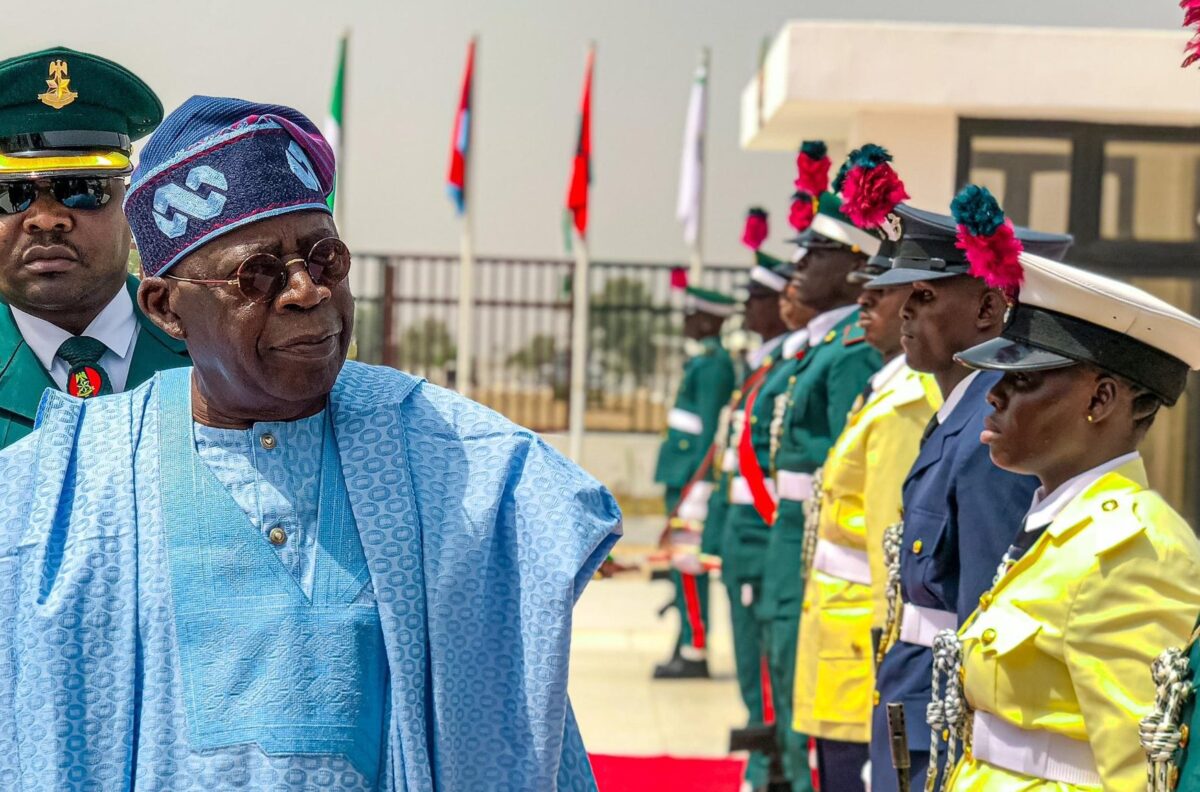
Nigeria’s democracy tested amid 2025 coup plot charges
Nigeria’s fragile relationship with military intervention has resurfaced after authorities charged several individuals over an alleged 2025 coup plot, reigniting concerns about the country’s democratic resilience. The development marks a rare moment in Nigeria’s modern political era, where civilian rule has remained uninterrupted since 1999.
The charges, which include treason and terrorism, have not only drawn national attention but also revived discussions around Nigeria’s long history of military coups and the factors that continue to threaten stability in West Africa.
2025 Coup Plot: What Happened and Who Is Involved
According to reports, Nigerian authorities have charged six individuals, including a retired major-general and a serving police officer, for allegedly plotting to overthrow President Bola Ahmed Tinubu.
The case, filed at the Federal High Court in Abuja, accuses the suspects of “waging war against the state” and supporting acts classified as terrorism. A seventh individual, Timipire Sylva, has also been named but remains at large.
The alleged mastermind, identified in prior reports as Colonel Mohammed Alhassan Ma’aji, is said to have coordinated the plan alongside other collaborators. Prosecutors further allege that some defendants had prior knowledge of the plot but failed to alert authorities.
This marks the first significant coup-related case under Tinubu’s administration, raising questions about internal security and institutional loyalty.
From Rumours to Charges: Timeline of the Alleged Coup
The origins of the coup plot trace back to October 2025, when the Nigerian government abruptly cancelled Independence Day celebrations citing security concerns.
At the time, speculation of a coup attempt circulated widely, though officials initially denied such claims. Months later, the military confirmed that 16 officers were being investigated and tried for actions linked to an attempted overthrow.
The situation escalated in early 2026 when formal charges were filed, including treason, terrorism, and money laundering, suggesting a broader and more coordinated effort than previously acknowledged.
Nigeria’s History of Military Coups
Nigeria has experienced multiple military coups, particularly between 1966 and 1993, shaping its political evolution.
The country witnessed five major coups in the 20th century, beginning with the 1966 coup that ended the First Republic. This was followed by successive military regimes that dominated governance for decades.
Military rule officially ended in 1999 with the return to democracy, ushering in the Fourth Republic. Since then, Nigeria has maintained over two decades of uninterrupted civilian leadership, a significant milestone in its political history.
The current allegations therefore represent a rare but serious disruption in an otherwise stable democratic era.
READ ALSO
US, Russia lead, Nigeria ranks 31st globally… countries with strongest military in the world
Why Coups Still Threaten West Africa
Experts note that Nigeria’s situation reflects a broader regional trend. West and Central Africa have seen a resurgence of coups and attempted coups in recent years, including incidents in countries like Guinea-Bissau and Benin.
Common drivers include:
- Economic hardship and inequality
- Security challenges, including insurgency and terrorism
- Political dissatisfaction and disputed elections
- Youth frustration and unemployment
While Nigeria has largely resisted these pressures, the 2025 plot underscores that no democracy is entirely immune.
Tinubu’s Response and Government Strategy
Following early reports of the coup plot, President Tinubu initiated military leadership changes, including reshuffling top generals.
Officials say these actions were aimed at strengthening command structures and reinforcing loyalty within the armed forces. The government has also emphasised its commitment to upholding democratic institutions and constitutional order.
Legal proceedings against the accused are expected to test the strength of Nigeria’s judicial system in handling high-profile national security cases.
What This Means for Nigeria’s Democracy
Despite the seriousness of the allegations, analysts argue that Nigeria’s swift legal response demonstrates institutional maturity compared to past decades.
The ability to investigate, charge, and prosecute alleged coup plotters within a civilian framework highlights progress in democratic governance.
However, the incident also serves as a warning: underlying socio-political tensions must be addressed to prevent future instability.
FAQ
What happened in the Nigeria 2025 coup plot?
Authorities allege that a group of individuals, including military personnel and civilians, conspired to overthrow President Bola Ahmed Tinubu. They are now facing charges of treason and terrorism in court.
Who are the key suspects in the Nigeria coup case?
The suspects include a retired major-general, a police inspector, and several civilians. Former governor Timipre Sylva has also been named but is currently at large.
Has Nigeria experienced military coups before?
Yes. Nigeria experienced five major military coups in the 20th century, with military rule lasting until 1999 when democracy was restored.
When was the last successful coup in Nigeria?
The last successful military coup occurred in 1993. Since 1999, Nigeria has maintained uninterrupted civilian rule.
Why do military coups happen in Africa?
Common causes include economic instability, political unrest, weak institutions, corruption, and dissatisfaction with governance.
Is Nigeria at risk of another military takeover?
While Nigeria remains a stable democracy, the 2025 plot shows that risks still exist, especially amid economic and security challenges.
What is the punishment for treason in Nigeria?
Treason is one of the most serious offences in Nigeria and can result in life imprisonment under the law.
How did the Nigerian government respond to the coup plot?
The government reshuffled military leadership, launched investigations, and filed formal charges against suspects to uphold constitutional order.
What does this mean for Nigeria’s democracy?
The incident highlights both vulnerabilities and strengths, while threats exist, Nigeria’s legal and institutional response demonstrates democratic resilience.
Are coups increasing in West Africa?
Yes. Several countries in West and Central Africa have experienced coups or attempted coups in recent years, raising regional concerns.