

Federal Judge rejects Biden’s bid to block DOJ audio release as controversial memoir recordings headed to Heritage foundation

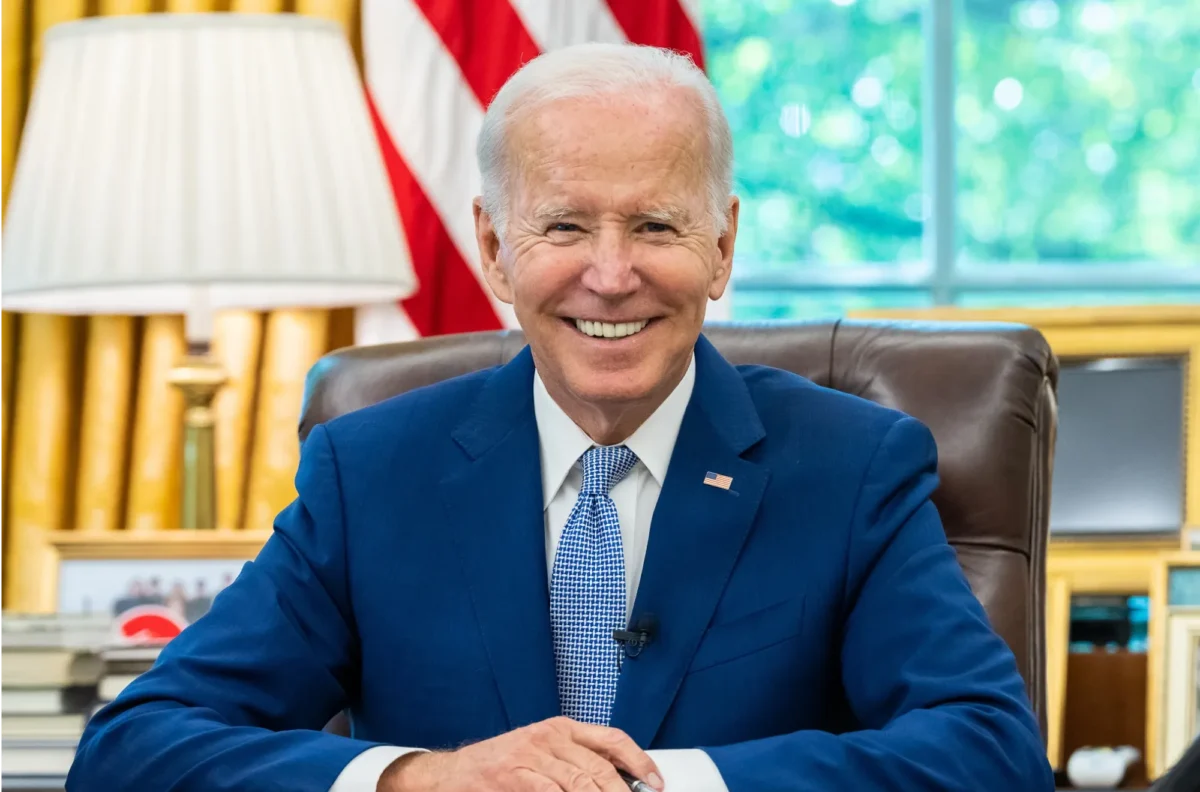
Joe Biden. Image Credit: Office of Joe Biden
A federal judge has dealt a significant legal setback to former U.S. President Joe Biden, ruling that the Department of Justice (DOJ) can release audio recordings from conversations he held with his memoir ghostwriter, Mark Zwonitzer.
The decision clears the way for the conservative Heritage Foundation to obtain the recordings after years of legal disputes surrounding materials connected to Special Counsel Robert Hur’s investigation into Biden’s handling of classified documents. The ruling is expected to intensify political debate over Biden’s tenure, his privacy rights, and renewed scrutiny of questions surrounding his age and memory.
Judge Rules Public Interest Outweighs Biden’s Privacy Claims
U.S. District Judge Dabney Friedrich rejected Biden’s request for an injunction that would have prevented the Justice Department from releasing the recordings and transcripts.
Biden’s legal team argued that the audio files were private conversations conducted in his home while he was out of public office and that their release would violate his constitutional privacy rights.
However, Friedrich concluded that although Biden’s privacy concerns were legitimate, the public interest in accessing the materials outweighed those concerns.
In her ruling, the judge acknowledged that releasing the recordings could cause reputational damage to the former president. Nevertheless, she found that such harm did not justify blocking disclosure, particularly because the Justice Department had already redacted sensitive personal information before approving their release.
The ruling emphasized the Freedom of Information Act’s objective of promoting transparency and ensuring public access to government-held records.
What Are the Biden Memoir Recordings?
The disputed recordings stem from interviews Biden conducted in 2017 with author Mark Zwonitzer while preparing his memoir, Promise Me, Dad: A Year of Hope, Hardship, and Purpose.
The book focused heavily on Biden’s personal life, including the death of his son, Beau Biden, and his experiences after serving as vice president under former President Barack Obama.
The recordings later became part of Special Counsel Robert Hur’s investigation into whether Biden improperly retained or shared classified information after leaving office.
Investigators reviewed the recordings and transcripts to determine whether sensitive government information may have been used during the writing process.
Connection to the Robert Hur Classified Documents Investigation
The recordings gained national attention after Special Counsel Robert Hur released his report in 2024.
While Hur ultimately declined to recommend criminal charges against Biden, he concluded that evidence existed showing the former president had retained certain classified materials after leaving office.
The report generated widespread discussion because Hur described Biden as a “well-meaning, elderly man with a poor memory,” language that quickly became a focal point in political debates.
Hur also referenced portions of the recorded conversations as evidence supporting his observations regarding Biden’s recollection of events.
The findings fueled concerns among critics about Biden’s age and mental sharpness during his presidency and his 2024 re-election campaign.
READ ALSO
Heritage Foundation’s Role in the Legal Battle
The Heritage Foundation, a prominent conservative think tank, has spent years pursuing access to the recordings through Freedom of Information Act requests.
The organization argues that the materials are relevant to understanding the circumstances surrounding Hur’s investigation and the DOJ’s decision not to prosecute Biden.
Following the Trump administration’s authorization of the release, Biden filed suit against the DOJ, seeking to block the transfer of the recordings.
Judge Friedrich’s decision now allows the process to move forward unless a higher court intervenes.
Reports indicate Biden’s legal team has already begun efforts to seek emergency relief while preparing an appeal.
Political Fallout Could Continue Ahead of Appeal
The ruling arrives amid renewed public discussion about Biden’s post-presidency legacy.
Republicans have repeatedly cited the Hur investigation and questions surrounding Biden’s memory as evidence that further scrutiny is warranted.
Meanwhile, Biden and his supporters maintain that the former president performed his duties effectively and argue that political opponents are attempting to weaponize private materials for partisan purposes.
Legal analysts expect the case to continue through the appeals process, meaning the final fate of the recordings may not be settled immediately.
Still, Friday’s ruling marks a major victory for transparency advocates and the Heritage Foundation while representing a significant legal defeat for Biden.
What Happens Next?
The immediate focus now shifts to Biden’s appeal efforts.
If appellate courts decline to intervene, the Heritage Foundation could gain access to the recordings in the near future. Those recordings may then become the subject of renewed political and media scrutiny.
As the legal battle continues, the case raises broader questions about the balance between a former president’s privacy rights and the public’s right to access records connected to government investigations.
For now, Judge Friedrich’s decision signals that federal courts are placing substantial weight on transparency interests, even when the records involve one of the most prominent political figures in modern American history.
FAQ: DOJ Biden Recordings Judge Ruling
Why did a federal judge rule against Joe Biden?
Judge Dabney Friedrich ruled that the public interest in accessing the recordings outweighed Biden’s privacy concerns. The court found that the Justice Department had already redacted sensitive personal information.
What are the Biden memoir recordings?
They are audio interviews Biden conducted with writer Mark Zwonitzer in 2017 while working on his memoir Promise Me, Dad: A Year of Hope, Hardship, and Purpose.
Why does the Heritage Foundation want the recordings?
The Heritage Foundation argues that the recordings are important for understanding the findings of Special Counsel Robert Hur’s classified documents investigation and should be available under the Freedom of Information Act.
What was Robert Hur’s investigation about?
Hur investigated whether Biden improperly retained classified documents after serving as vice president. He ultimately declined to recommend criminal charges.
Did Robert Hur charge Joe Biden with a crime?
No. Hur concluded that criminal charges were not warranted, though his report generated controversy due to comments about Biden’s memory.
What did the judge say about Biden’s privacy rights?
The judge acknowledged Biden’s privacy interests but determined they were outweighed by the public’s interest in disclosure and government transparency.
Can Joe Biden appeal the ruling?
Yes. Biden’s legal team has already begun seeking additional court relief and is expected to continue the appeals process.
When could the recordings be released?
If appellate courts do not intervene, the Department of Justice could release the recordings to the Heritage Foundation in the near future.
What information has been removed from the recordings?
According to the court ruling, the DOJ conducted extensive redactions to remove personal information involving Biden’s family and private individuals.
Why are the recordings politically significant?
The recordings were referenced in Robert Hur’s report and are connected to ongoing debates regarding Biden’s handling of classified documents, memory, age, and fitness for office.
Could the recordings affect Biden’s legacy?
Potentially. Depending on their contents and public reaction, the recordings could influence discussions about Biden’s presidency and post-presidential reputation.
What is the Freedom of Information Act (FOIA)?
FOIA is a federal law that allows the public to request access to government records, subject to certain exemptions involving privacy, national security, and other protected interests.