

Datti Baba-Ahmed sparks 2027 buzz: “I didn’t join PRP for presidency”, reveals real strategy

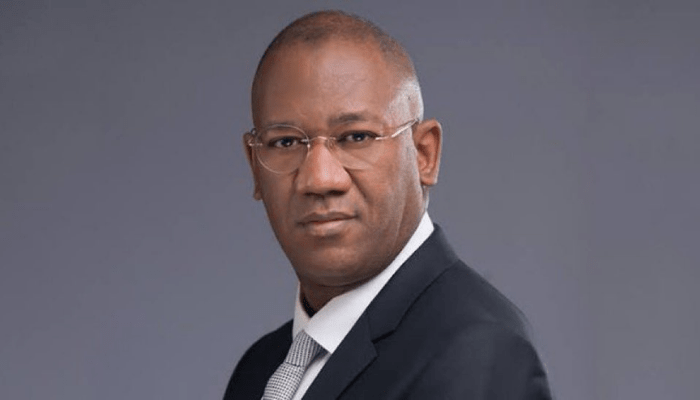
Datti Baba-Ahmed speaks on PRP move, 2027 politics
In a dramatic political shift ahead of the 2027 elections, Datti Baba-Ahmed has clarified the motives behind his defection to the Peoples Redemption Party (PRP), insisting his decision is driven by national interest rather than personal ambition.
The former vice-presidential candidate of the Labour Party in the 2023 elections made the declaration during his official unveiling in Abuja, where he addressed growing speculation about a possible presidential bid.
Datti Baba-Ahmed’s Defection: What Prompted the Move?
Datti’s exit from the Labour Party marks a significant development in Nigeria’s evolving opposition landscape. According to him, internal disagreements, deviation from founding ideals, and external interference contributed to his decision.
While political realignments continue to reshape party structures, Datti emphasised that his move to the PRP was not motivated by personal gain but by a desire to rebuild Nigeria’s political system.
“I didn’t come here to get a presidential ticket. I came here to fix Nigeria,” he stated firmly.
2027 Elections: No Personal Ambition, But a Strategic Goal
Despite widespread speculation, Datti dismissed claims that he joined the PRP to secure its presidential ticket for the 2027 elections.
Instead, he stressed flexibility in his political role, stating that he is open to supporting any credible candidate capable of unseating the current administration led by Bola Ahmed Tinubu.
His remarks highlight a broader opposition strategy focused on coalition-building and electoral competitiveness, rather than individual candidacy.
Criticism of Opposition Politics and Leadership Style
Datti also used the opportunity to reflect on leadership challenges within Nigeria’s opposition, indirectly referencing his former running mate, Peter Obi.
He questioned the effectiveness of leaders who withdraw from political crises rather than confront them, arguing that strong leadership requires resilience and firmness.
According to him, politics in Nigeria demands active engagement, especially in defending electoral mandates and democratic principles.
North’s Political Position: Doubts Over Obi–Kwankwaso Alliance
In a notable political assessment, Datti expressed skepticism about the viability of a potential alliance between Peter Obi and Rabiu Kwankwaso.
He stated that it is unlikely the northern region would rally behind such a ticket, citing historical political dynamics and unresolved questions about leadership hierarchy within the proposed alliance.
His comments add another layer to ongoing debates about regional support and coalition strength ahead of the 2027 elections.
READ ALSO
Peter Obi’s 2023 running mate Yusuf Baba-Ahmed dumps Labour Party
Electoral Integrity Concerns and 2023 Reflections
Datti revisited the 2023 general elections, raising concerns about alleged irregularities and emphasising the need for vigilance in future polls.
He warned against a repeat of controversial electoral outcomes, stressing that democratic processes must be protected to ensure credibility.
His stance underscores growing calls for electoral reforms and transparency in Nigeria’s political system.
PRP’s Strategy and Opposition Realignment
The PRP leadership, led by Hakeem Baba-Ahmed, confirmed the party’s openness to alliances aimed at strengthening the opposition.
The party signaled readiness to collaborate with other political groups to challenge the ruling government and reshape Nigeria’s political future.
This approach reflects a broader trend of strategic alliances and coalition politics ahead of 2027.
Impact on Nigeria’s Political Landscape
Datti Baba-Ahmed’s defection is expected to:
- Intensify opposition realignments
- Influence coalition negotiations
- Shape narratives around leadership credibility and political strategy
With the 2027 elections approaching, his move signals a shift toward issue-based politics and strategic positioning, rather than personality-driven campaigns.
A Calculated Move with National Implications
Datti Baba-Ahmed’s entry into the PRP represents more than a party switch, it reflects a broader push for political restructuring in Nigeria.
By rejecting immediate presidential ambition and focusing on systemic change, he has positioned himself as a key player in the opposition’s long-term strategy.
As political alignments continue to evolve, all eyes will remain on how his role influences the balance of power ahead of 2027.
FAQ
Why did Datti Baba-Ahmed join the PRP?
Datti Baba-Ahmed stated that he joined the PRP to help fix Nigeria’s political system, not to pursue a presidential ticket.
Is Datti Baba-Ahmed running for president in 2027?
He has denied any immediate presidential ambition, saying he is open to supporting or contesting depending on circumstances.
Why did Datti leave the Labour Party?
He cited internal disagreements, deviation from party ideals, and external interference as key reasons for his departure.
What did Datti say about Peter Obi?
Datti questioned Obi’s leadership approach, suggesting that leaders should confront challenges rather than withdraw from crises.
What is Datti’s view on Obi–Kwankwaso alliance?
He believes it is unlikely to gain strong northern support, raising concerns about its political viability.
What role will Datti play in PRP?
He is expected to contribute to strengthening the opposition and shaping strategy for 2027 elections.
What did Datti say about the 2023 elections?
He raised concerns about electoral irregularities and emphasized the need to protect democratic processes.
Is PRP forming alliances for 2027?
Yes, the party has expressed willingness to collaborate with other opposition groups to challenge the ruling government.
How does this affect Nigeria’s political landscape?
His move could reshape opposition dynamics, influence alliances, and impact the 2027 election strategy.
What is Datti Baba-Ahmed known for?
He is known as a former senator and 2023 vice-presidential candidate, recognized for his strong views on governance and democracy.