

Peter Obi’s 2023 running mate Yusuf Baba-Ahmed dumps Labour Party

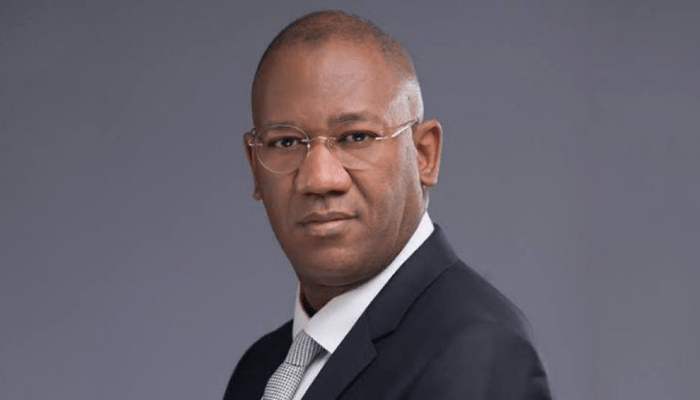
Yusuf Baba-Ahmed
Nigeria’s political landscape is witnessing a significant shake-up as Yusuf Baba-Ahmed, the 2023 vice-presidential candidate of the Labour Party, has announced his decision to leave the party and join the Peoples Redemption Party (PRP).
The move, disclosed during a televised interview, comes amid deepening internal tensions within the Labour Party, raising fresh concerns about opposition unity ahead of the 2027 general elections.
Why Yusuf Baba-Ahmed Left the Labour Party
Yusuf Baba-Ahmed attributed his exit from Labour Party Nigeria the to persistent internal wrangling and ideological drift. According to him, the party has deviated from its founding principles, creating an environment no longer aligned with his political vision.
He stated that the party’s internal crisis had worsened over time, affecting cohesion and direction. His departure underscores what analysts describe as growing instability within one of Nigeria’s most prominent opposition parties.
Midnight Exit and Immediate Move to PRP
In a decisive move, Baba-Ahmed revealed he would officially leave the Labour Party at midnight and immediately join the Peoples Redemption Party (PRP).
He described PRP as a party with a strong ideological foundation and historical legacy, emphasising its relevance in shaping Nigeria’s political evolution.
The PRP, originally linked to the legacy of Aminu Kano, has long been associated with progressive politics and grassroots mobilisation, factors Baba-Ahmed says influenced his decision.
Implications for the 2027 General Elections
Baba-Ahmed’s defection is expected to reshape opposition dynamics ahead of the 2027 elections. As the former running mate to Peter Obi, his political weight carries strategic significance.
While he dismissed the possibility of a unified opposition presidential candidate as “impossible,” he hinted at potential alliances involving key political figures such as Rabiu Kwankwaso.
Political observers believe this move could trigger further defections and realignments, particularly among politicians dissatisfied with internal party structures.
READ ALSO
Nenadi Usman makes history as Labour Party Chairman ahead of 2027 elections
Criticism of APC and Concerns Over One-Party State
Baba-Ahmed also used the opportunity to criticise the ruling All Progressives Congress (APC), accusing it of pushing Nigeria toward a one-party system.
He expressed concerns over governance, particularly in areas such as security and economic management, arguing that the country has not experienced meaningful progress under the current administration.
His comments reflect broader opposition sentiment and could influence political narratives leading up to the next election cycle.
Labour Party Crisis Deepens
The exit highlights ongoing divisions within the Labour Party, which gained significant traction during the 2023 elections.
Despite its strong performance, internal disputes and factional struggles have continued to challenge its stability. Baba-Ahmed’s departure may further weaken the party’s position unless urgent reconciliation efforts are implemented.
What This Means for Nigeria’s Political Future
Baba-Ahmed’s move signals more than just a party switch, it represents a broader shift in Nigeria’s opposition politics.
With increasing fragmentation among opposition parties, analysts warn that the lack of cohesion could benefit the ruling party, unless new alliances are formed.
At the same time, his alignment with PRP could revive interest in smaller ideological parties, potentially diversifying Nigeria’s political space.
FAQ
Why did Yusuf Baba-Ahmed leave the Labour Party?
He cited internal conflicts, leadership struggles, and a shift from the party’s original ideals as key reasons for his exit.
Which party did Yusuf Baba-Ahmed join?
He joined the Peoples Redemption Party (PRP), describing it as a party with strong ideological roots and historical relevance.
When did Yusuf Baba-Ahmed officially leave Labour Party?
He announced that his exit would take effect at midnight, immediately followed by his move to PRP.
What is the Peoples Redemption Party (PRP)?
PRP is a Nigerian political party with a long history tied to progressive politics, originally associated with Aminu Kano.
How does this affect the 2027 elections?
His defection could reshape opposition strategies, possibly triggering alliances or further divisions ahead of the polls.
Is the Labour Party currently in crisis?
Yes, the party has been facing internal disputes and factional disagreements, which have impacted its unity.
Did Baba-Ahmed support Peter Obi’s new political direction?
No, he did not follow Peter Obi to any new political alignment and instead chose PRP.
What did Baba-Ahmed say about APC?
He criticised APC’s governance and warned about a possible drift toward a one-party system.
Can opposition parties unite before 2027?
Baba-Ahmed described a single opposition candidate as unlikely, though he suggested possible strategic alliances.
What does this mean for Nigerian politics?
It signals a major realignment, highlighting growing fragmentation and the need for stronger coalition-building among opposition parties.