

COVID IRS tax refund 2026: Eligibility, July 10 deadline and how to file a protective claim

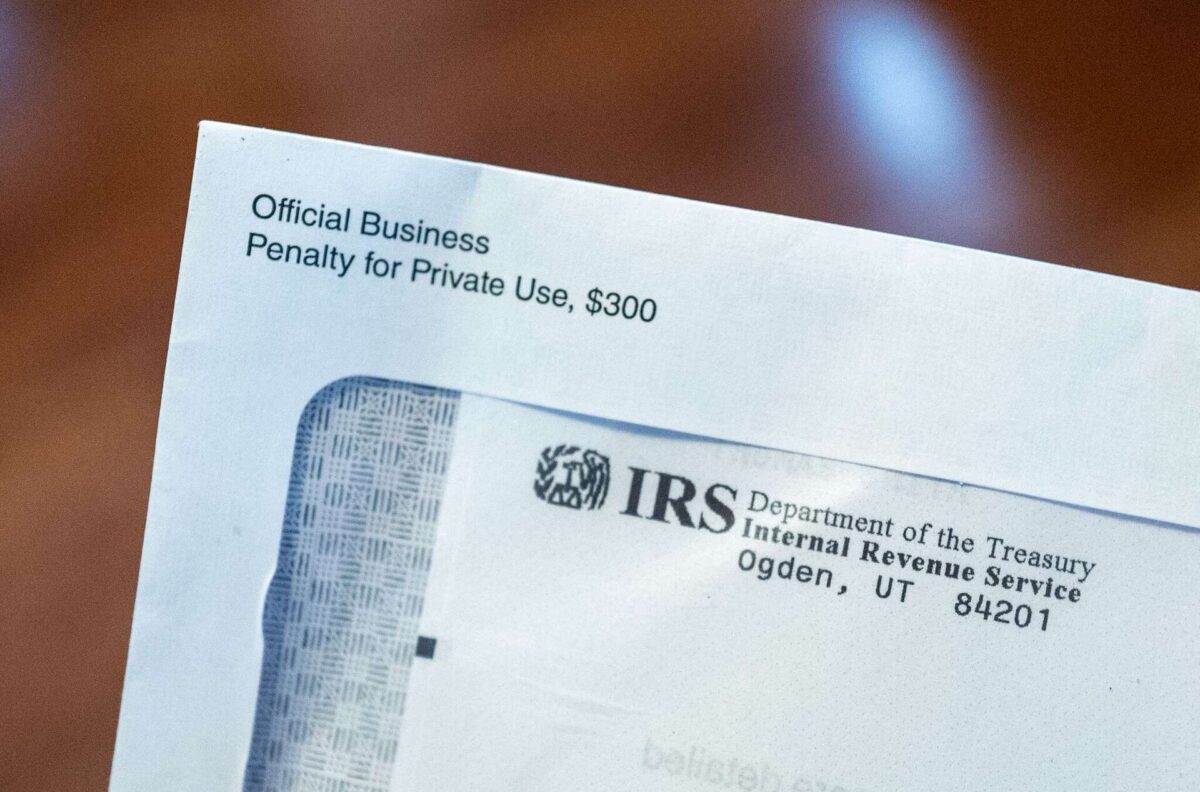
July 10 deadline nears for potential COVID-era IRS tax refunds. Courtesy of Smith Collection/Gado/Gado via Getty Images
Millions of Americans may still have an opportunity to recover money paid in IRS penalties or interest during the COVID-19 pandemic, but time is running out. A critical July 10, 2026 deadline is approaching for taxpayers seeking to preserve their rights to a potential refund linked to a major federal court ruling.
The possible refunds stem from the Kwong v. United States case, in which a federal court ruled in 2025 that certain federal tax filing and payment deadlines should have been automatically suspended during the federally declared COVID-19 disaster period. Although the federal government has appealed the decision, tax experts continue to urge eligible taxpayers to submit what is known as a protective claim before the deadline expires.
Why Is There a Potential COVID IRS Tax Refund?
The issue centers on the federal government’s COVID-19 disaster declaration, which lasted from January 20, 2020, through May 11, 2023.
In Kwong v. United States, a federal judge concluded that tax filing and payment deadlines may have been automatically paused during that emergency period under federal law. If that interpretation ultimately survives the appeals process, taxpayers who paid penalties or interest that should not have accrued could become entitled to refunds or abatements.
The ruling has not yet become final because the government is challenging the decision. However, waiting for the appeal could cause taxpayers to permanently lose their refund rights due to statutory filing deadlines.
Who May Be Eligible for the IRS Refund?
Tax professionals say eligibility generally applies to taxpayers who experienced one or more of the following during the COVID disaster period:
- Paid IRS interest that may have been improperly charged.
- Paid late-filing penalties.
- Paid late-payment penalties.
- Paid penalties for missing estimated tax payments.
- Had interest begin accumulating earlier than legally permitted.
Both individual taxpayers and businesses may qualify if they meet the legal requirements.
Eligibility ultimately depends on each taxpayer’s circumstances and how the courts resolve the ongoing litigation.
Why the July 10 Deadline Matters
The July 10, 2026 deadline is considered crucial because federal tax laws impose strict time limits for requesting refunds.
Experts warn that taxpayers who fail to submit a protective claim before that date could permanently lose their ability to seek a refund—even if the courts later rule in taxpayers’ favor.
Several tax attorneys, accounting firms and the National Taxpayer Advocate have encouraged taxpayers to act now rather than wait for the appeal to conclude.
What Is a Protective Claim?
A protective claim is essentially a placeholder filed with the IRS.
Instead of requesting an immediate payment, it preserves a taxpayer’s legal right to receive a refund later if the court ultimately confirms that refunds are owed.
By filing before the deadline, taxpayers keep their claim alive while litigation continues.
READ ALSO
How to File a Protective Claim
Tax experts generally recommend using IRS Form 843 (Claim for Refund and Request for Abatement).
Applicants should:
- Complete a separate Form 843 for each affected tax period and tax type.
- Clearly indicate that the filing is a protective claim based on Kwong v. United States and Section 7508A(d).
- Include supporting information from IRS tax transcripts where applicable.
Because the deadline is close, professionals recommend sending the paperwork by certified mail before July 10 to document timely delivery.
Taxpayers using third-party professionals should also be aware that IRS authorization forms may take approximately two weeks to process.
What Happens If the Government Wins the Appeal?
If appellate courts overturn the lower court’s decision, taxpayers who filed protective claims may ultimately receive nothing.
However, filing a protective claim generally preserves their legal rights without requiring the IRS to immediately issue payments.
If the courts uphold the ruling, taxpayers who filed before the deadline would remain eligible for any refunds eventually authorized.
IRS Has Not Announced Automatic Refunds
The IRS has not announced any automatic refund program tied to the Kwong decision.
Instead, taxpayers must take proactive steps if they wish to preserve their potential eligibility while the legal challenge continues.
Several tax professionals and legal experts have published guidance to help taxpayers determine whether filing a protective claim makes sense based on their circumstances.
What Taxpayers Should Do Before July 10
With only days remaining before the filing deadline, experts recommend reviewing tax records from the COVID emergency period to determine whether penalties or interest were assessed.
Those who believe they may qualify should consider filing a protective claim promptly or consulting a qualified tax professional. Missing the deadline could mean permanently forfeiting any future refund, even if the courts eventually rule in taxpayers’ favor.
FAQ
What is the COVID IRS tax refund?
The COVID IRS tax refund refers to potential refunds or abatements for taxpayers who paid IRS penalties or interest during the federally declared COVID-19 disaster period. The possibility arises from the federal court case Kwong v. United States, which is currently under appeal.
Who is eligible for the COVID tax refund?
You may qualify if you:
- Paid late-filing penalties.
- Paid late-payment penalties.
- Paid estimated tax penalties.
- Paid interest that may have been improperly assessed.
- Were affected during the COVID disaster period between January 20, 2020, and May 11, 2023.
Eligibility depends on individual circumstances and the final outcome of the court case.
What is the deadline to file?
The deadline to file a protective claim is July 10, 2026.
Missing this deadline could permanently prevent you from claiming any future refund if the courts ultimately rule in taxpayers’ favor.
What is a protective claim?
A protective claim is a filing submitted to the IRS that preserves your legal right to seek a refund while ongoing litigation is resolved. It does not guarantee payment but keeps your claim active.
Which IRS form should taxpayers use?
Tax professionals generally recommend filing IRS Form 843 (Claim for Refund and Request for Abatement).
Separate forms should typically be submitted for each tax period and each tax type involved.
Is the IRS already sending refunds automatically?
No.
The IRS has not announced automatic refunds. Eligible taxpayers generally must file a protective claim before the deadline to preserve their rights.
What is Kwong v. United States?
Kwong v. United States is a federal tax case that held certain IRS filing and payment deadlines were automatically suspended during the COVID-19 disaster declaration. The federal government has appealed the ruling.
What happens if the government wins the appeal?
If the ruling is overturned, taxpayers may not receive refunds even if they filed protective claims. However, filing preserves their rights while the legal process continues.
Can businesses qualify for the refund?
Yes. Depending on the facts of their case, businesses, trusts, estates and individual taxpayers may all be eligible if they paid qualifying penalties or interest during the covered period.
Should taxpayers wait until the appeal ends?
Most tax experts advise not waiting. Filing a protective claim before July 10 preserves refund rights while the courts determine the final outcome.
How can I determine whether I qualify?
Review your IRS account transcripts and tax records from January 2020 through May 2023 for penalties or interest. If you’re uncertain, consult a qualified tax professional before the filing deadline.