

Court orders UNICAL to restore 214 students ejected from Law faculty

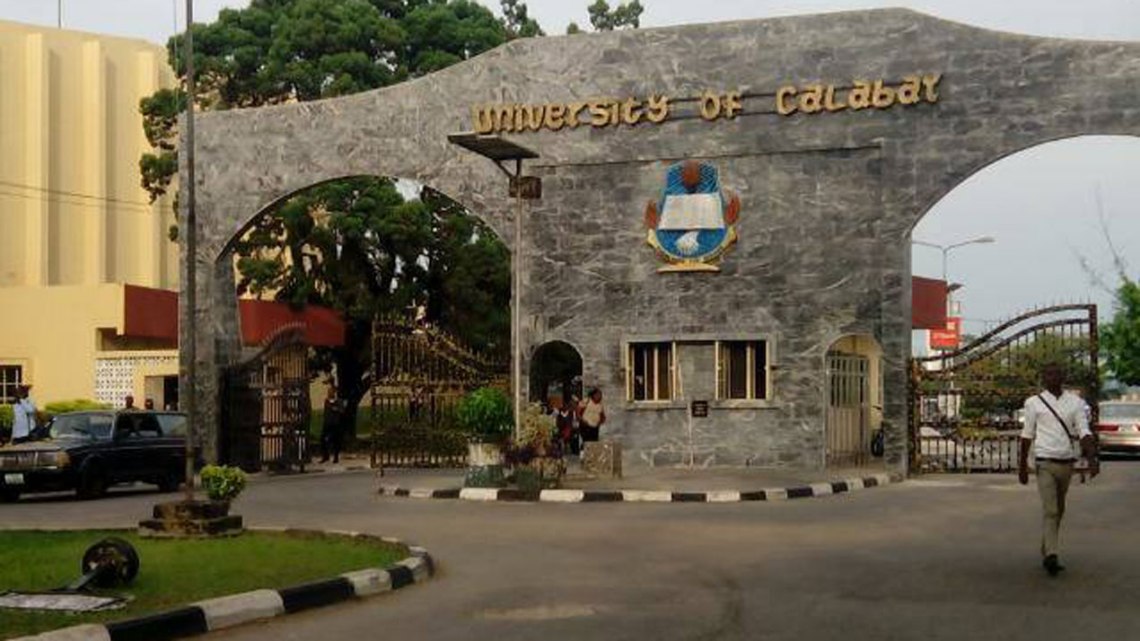
The Federal High Court in Calabar has ordered the University of Calabar (UNICAL) to restore 214 students who were ejected from its Faculty of Law.
The students had been removed from the Law Faculty after the university raised questions about their admission status.
Justice Edem Ekong of the Federal High Court issued an interim order directing UNICAL to allow the affected students to continue accessing lectures, academic portals and other facilities pending the determination of the case.
The order provides temporary relief for the students as the legal dispute over their admission into the university’s Law programme continues.
Why UNICAL ejected 214 Law students
The dispute centres on the admission status of the 214 students.
According to Premium Times, UNICAL said only 221 out of 435 students in the affected cohort were officially admitted into the university’s Law programme.
The university therefore questioned the status of the remaining 214 students and subsequently removed them from the Faculty of Law.
The affected students, however, challenged the decision in court.
They argued that the university had treated them as legitimate students for several years.
According to their case, UNICAL admitted them, collected their school fees, registered them for Law courses and allowed them to participate in examinations.
They also said they had progressed through their academic programme before the university later questioned their admission status.
The students subsequently sought legal protection against the decision to remove them from the Faculty of Law.
What the students told the court
The affected students argued that they had already invested significant time and resources in their legal education at UNICAL.
They told the court that the university’s decision came after they had spent years studying Law under the institution’s supervision.
They also challenged the university’s demand that they regularise their admissions through the Joint Admissions and Matriculation Board (JAMB).
The students argued that they should not be made to bear the consequences of any administrative problems surrounding their admission after the university had allowed them to study, pay fees and sit examinations.
Their legal action sought to prevent the university from disrupting their education while the court considered the issues surrounding their admission.
Court grants temporary relief
The Federal High Court granted the students interim protection.
The court ordered UNICAL to allow the 214 students to continue accessing the facilities and services necessary for their education.
This includes access to lectures, the university’s academic portal and other academic activities.
The order means the students can continue their studies while the substantive issues in the case are being determined.
However, the order is not a final judgment on whether the students were properly admitted into the Law programme.
The court will still have to determine the substantive dispute between the students and the university.
How the dispute started
The controversy has raised questions about how the students were admitted into the Law Faculty and the role of the university and JAMB in the process.
The students maintain that UNICAL’s conduct over the years gave them reason to believe that they were legitimate students of the Faculty of Law.
They were not simply attending lectures informally.
They said the university collected their fees, registered them for courses and allowed them to sit examinations.
That history is central to their argument that the university should not suddenly remove them from the programme after they had progressed academically.
UNICAL, however, maintains that there was a distinction between students who were formally admitted into the programme and those whose admission status did not meet the required conditions.
The disagreement has now moved to the courts.
What happens to the 214 students now?
For now, the court order gives the affected students a reprieve.
They can continue participating in academic activities while the legal dispute is being resolved.
The students will therefore not immediately lose access to their lectures or university academic systems because of the decision that led to their ejection.
But their long-term status in the Law Faculty remains subject to the outcome of the case.
The court will eventually determine whether the students’ admission status was valid and whether UNICAL was justified in removing them from the programme.
Until then, the interim order prevents the dispute from completely disrupting their education.
The bigger issue for the students
For the 214 students, the dispute goes beyond a disagreement over admission figures.
It affects years of academic work and their plans to become lawyers.
Many of the affected students had already spent considerable time studying Law before the university challenged their status.
Their case therefore places a spotlight on what happens when students are allowed to progress through an academic programme before questions are raised about the validity of their admission.
The court’s interim order does not settle that question.
It simply ensures that the students have temporary protection while the legal process continues.
For now, the 214 students can return to their academic activities at UNICAL as they await the court’s final decision on their status in the Faculty of Law.