

Claude AI privacy scare: Hundreds of private Claude chats appeared on google search, Anthropic explains what happened

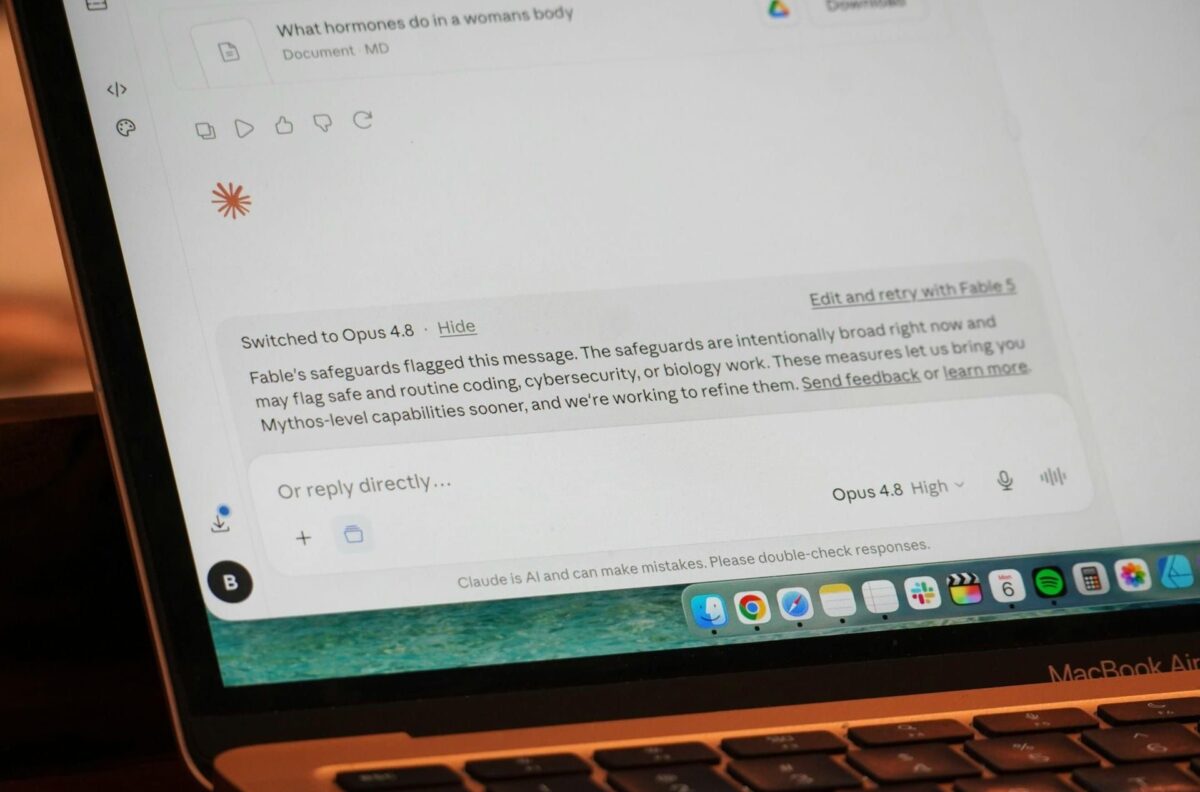
Claude AI privacy concerns grow after shared chats appeared in Google Search. Credit: Brett Wharton on Unsplash
Users of Anthropic’s Claude AI were left concerned after hundreds of conversations generated with the chatbot briefly became searchable through Google and other search engines, exposing discussions that many assumed were private.
The issue quickly gained attention after internet users discovered that searches using specific Google operators surfaced publicly accessible Claude conversations containing personal information, resumes, work-related projects, research, and other sensitive material.
Anthropic has since removed the affected pages from search engine indexing, insisting that the incident did not involve a security breach but rather resulted from users intentionally creating public share links. The episode has nevertheless renewed concerns over AI privacy, chatbot sharing features, and how sensitive conversations are handled online.
How Claude AI conversations ended up in Google Search
The controversy emerged after Reddit users discovered that Google searches using site-specific search operators returned hundreds of publicly accessible Claude conversations.
According to reports, more than 200 shared Claude chats spanning dozens of search result pages could be accessed by anyone who located the links. Similar results reportedly appeared on Bing, Brave Search, and DuckDuckGo before being removed.
The conversations became searchable because users had used Claude’s “Share” feature, which generates a public URL that can be viewed by anyone possessing the link.
While the feature clearly indicates that “anyone with the link” can access the conversation, critics argue it did not sufficiently warn users that search engines could potentially index those pages.
Anthropic says users chose to share the conversations
Anthropic emphasized that it did not intentionally publish users’ conversations or submit directories of chat links to search engines.
In a statement, the company said users maintain control over whether conversations are shared publicly.
The company explained that once someone creates a public sharing link, the content effectively becomes public web content and may be archived or indexed by third-party services unless blocked.
Anthropic added that it does not provide search engines with directories or sitemaps containing shared conversations.
Following the reports, the company implemented changes that removed the conversations from Google Search results, although previously shared URLs may still remain accessible to individuals who already possess those links.
READ ALSO
Is Claude Opus 4.6 better than GPT-5.2? Here’s what to know
Sensitive information appeared in several conversations
Although many publicly accessible chats were harmless, others contained information that users likely never intended to become widely discoverable.
Examples reportedly included:
- Personal resumes containing names, email addresses and employment history
- Corporate cloud security planning documents
- Healthcare-related research discussions
- Proprietary workplace brainstorming sessions
- Personal life questions and creative role-playing conversations
Privacy experts note that chatbot conversations often contain significantly more sensitive information than ordinary shared documents because users frequently use AI assistants to brainstorm ideas, discuss confidential work, seek medical guidance, or draft legal documents.
Not the first AI chatbot to face similar privacy concerns
The Claude incident is not unique.
Last year, OpenAI’s ChatGPT experienced a similar issue after shared conversation links became indexed by search engines. OpenAI later modified how shared chats could be discovered online.
xAI’s Grok also reportedly experienced comparable issues, with publicly shared conversations becoming searchable.
The recurring incidents suggest an industry-wide challenge surrounding AI chat sharing features rather than a vulnerability unique to a single platform.
Security researchers argue that users often assume AI conversations remain private by default, even after generating public sharing links.
Google says website owners control indexing
Google clarified that it does not independently decide which public webpages become searchable.
According to Google, website owners determine whether search engines may crawl or index their pages by using standard web controls.
Once Anthropic implemented measures preventing indexing, the Claude conversation links disappeared from Google’s search results.
The same approach can generally be used by websites wishing to prevent search engines from indexing publicly accessible pages.
What Claude users should do to protect their conversations
The incident serves as another reminder that shared AI conversations should be treated as public content unless explicitly protected.
Users are encouraged to:
- Avoid sharing chats containing confidential information.
- Remove public links that are no longer needed.
- Review privacy settings before generating shareable URLs.
- Exclude sensitive financial, legal, medical, or business information whenever possible.
As AI assistants become increasingly integrated into daily work and personal life, privacy experts say understanding how sharing features function is becoming just as important as understanding the AI itself.
The latest Claude episode highlights how a simple sharing tool can unintentionally expose information far beyond its intended audience, reinforcing the need for clearer privacy warnings and greater user awareness across the AI industry.
FAQ
Why were Claude AI chats showing up in Google Search?
Claude chats became searchable after users generated public share links using Claude’s sharing feature. Search engines indexed some of those publicly accessible pages before Anthropic blocked them.
Did Anthropic suffer a data breach?
No. Anthropic says the issue was not a hacking incident or security breach. The conversations became public because users chose to create shareable links, which were later indexed by search engines.
Were private Claude conversations leaked?
Anthropic says conversations were only publicly accessible if users intentionally generated share links. However, many users did not realize those links could eventually appear in search engine results.
Has Anthropic fixed the problem?
Yes. Anthropic has removed the affected pages from Google Search by preventing further indexing. Existing shared links may still work if someone already has the URL.
Can Google index AI chatbot conversations?
Yes. If chatbot providers allow publicly accessible pages and do not block search engine indexing, those pages can potentially appear in search results.
What kind of information appeared in the Claude chats?
Reports identified resumes, workplace discussions, software development projects, healthcare-related conversations, cloud security drafts, and personal questions among the searchable chats.
How can I keep my Claude conversations private?
Avoid creating public share links for sensitive conversations, delete unnecessary shared links, review Claude’s sharing settings, and avoid including confidential business or personal information in chats intended for sharing.
Did Google cause the Claude privacy issue?
Google stated that search engines only index webpages that website owners make publicly accessible unless instructed otherwise. Anthropic later blocked indexing, causing the pages to disappear from search results.
Has this happened with other AI chatbots?
Yes. Similar incidents previously affected OpenAI’s ChatGPT and Elon Musk’s Grok, where publicly shared conversations were indexed by search engines.
Should users stop using Claude AI?
There is no indication that Claude itself is unsafe. The incident highlights the importance of understanding how public sharing features work and being cautious before sharing conversations containing sensitive information.
What is Claude’s Share feature?
Claude’s Share feature creates a public URL that allows others to view a conversation. Anyone with the link can access it, and unless protected from indexing, search engines may discover those pages.
Why is AI chat privacy becoming a bigger concern?
AI assistants increasingly contain personal, financial, legal, medical, and workplace information. As adoption grows, ensuring conversations remain private has become one of the industry’s biggest security and trust challenges.