

Massive California Earthquake today: 5.6-magnitude quake rocks Northern California, tremors felt accross region

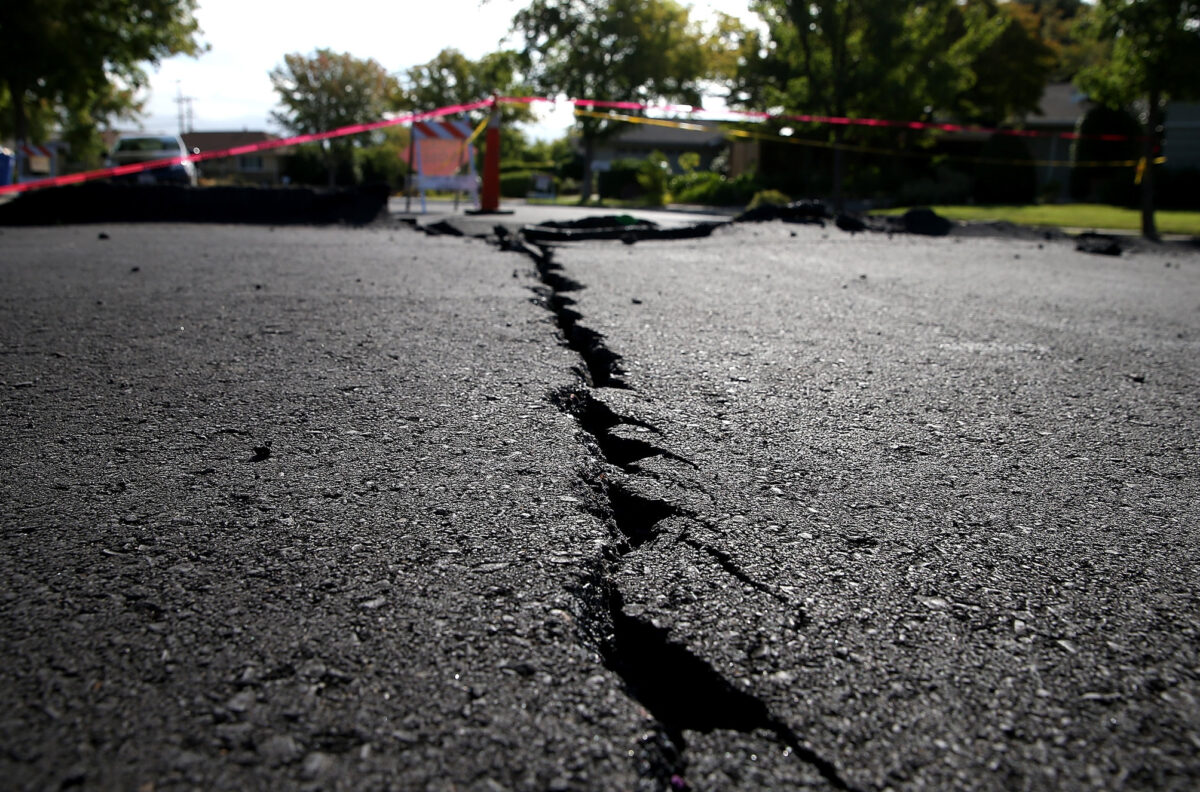
Image Credit: Justin Sullivan/Getty Images
A powerful 5.6-magnitude earthquake struck Northern California on Wednesday morning, sending tremors across a wide area and prompting renewed concerns about seismic activity in one of America’s most earthquake-prone regions.
According to the United States Geological Survey (USGS), the earthquake occurred at approximately 8:10 a.m. Pacific Time near Redwood Valley, a community in Mendocino County. Residents across neighboring areas reported feeling strong shaking, with many taking to social media to describe sudden jolts that rattled homes and businesses.
The earthquake is among the strongest recorded in California in recent weeks and serves as another reminder of the state’s constant exposure to seismic risks.
Where the California Earthquake Struck
USGS data indicates the quake’s epicenter was located near Redwood Valley, north of Ukiah in Northern California.
The region lies within an area known for active fault systems that regularly produce earthquakes of varying magnitudes. While California experiences thousands of earthquakes annually, most are too small to be noticed by residents.
Wednesday’s quake, however, was strong enough to be widely felt throughout the region and immediately attracted attention from emergency management agencies and seismologists monitoring activity across the state.
How Strong Was the Earthquake?
At magnitude 5.6, the earthquake falls into the category capable of producing light to moderate structural damage, particularly in older buildings or structures not designed to modern seismic standards.
Experts note that earthquakes of this intensity can:
- Crack walls and foundations
- Break windows
- Knock items off shelves
- Topple furniture
- Cause localized structural damage
The extent of any damage often depends on factors such as building quality, depth of the earthquake, and proximity to the epicenter.
Authorities had not immediately reported widespread major damage or injuries in the hours following the event, but assessments were ongoing.
California’s Recent Seismic Activity
The latest earthquake follows a series of smaller tremors recorded throughout California during June.
Earlier this month, a 5.1-magnitude earthquake struck off the state’s North Coast near Humboldt County. Separately, a 2.9-magnitude earthquake was recorded near Manton in Tehama County during the early hours of June 24.
While the Manton quake was relatively minor and unlikely to cause damage, it highlights the continuous seismic activity occurring across California.
Scientists estimate that hundreds of thousands of earthquakes occur globally every year, although only a fraction are strong enough to be felt by people.
READ ALSO
What caused Japan earthquake? Here’s what to know
Are Aftershocks Expected?
Seismologists warn that aftershocks are common following moderate earthquakes and can occur minutes, hours, days, or even weeks after the main event.
Residents in affected areas are being encouraged to remain vigilant and prepared for additional shaking.
The USGS advises people to immediately practice the “Drop, Cover, and Hold On” method if aftershocks occur.
Emergency officials also caution that secondary hazards can emerge after significant earthquakes, including:
- Gas leaks
- Water line breaks
- Electrical outages
- Falling debris
- Roadway damage
What To Do During an Earthquake
Safety experts emphasize that preparation remains the most effective way to reduce earthquake-related injuries.
If an earthquake occurs:
Indoors
Stay inside and avoid running outdoors. Move away from windows and take cover beneath a sturdy table or desk.
Outdoors
Remain clear of buildings, power lines, and structures that could collapse.
In a Vehicle
Pull over safely, stop the vehicle, and remain inside until the shaking stops.
In Bed
Stay where you are, turn face down, and protect your head with a pillow.
Officials stress that attempting to move during strong shaking often increases the risk of injury.
Why California Remains Vulnerable to Earthquakes
California sits along the boundary of major tectonic plates, making it one of the most seismically active regions in the United States.
The state’s extensive network of faults, including the famous San Andreas Fault, creates ongoing earthquake risks for millions of residents.
While modern engineering has significantly improved earthquake resilience, experts continue to encourage preparedness through emergency kits, family communication plans, and earthquake drills.
Wednesday’s 5.6-magnitude earthquake serves as another reminder that seismic activity remains a constant reality across the Golden State.
FAQ
What happened in California today?
A 5.6-magnitude earthquake struck Northern California near Redwood Valley on June 24, 2026, causing noticeable shaking across the region.
Where was the epicenter of the California earthquake?
The earthquake was centered near Redwood Valley in Mendocino County, Northern California.
How strong was the California earthquake?
The earthquake measured magnitude 5.6 according to the United States Geological Survey (USGS).
Did the California earthquake cause damage?
As of the latest reports, authorities were still assessing the situation. A quake of this magnitude can cause light to moderate structural damage.
Were injuries reported after the earthquake?
No widespread injuries had been immediately reported following the earthquake, though assessments remained ongoing.
Was there a tsunami warning issued?
No tsunami warning was reported in connection with the Northern California earthquake.
What does a 5.6-magnitude earthquake feel like?
People may experience strong shaking, rattling windows, moving furniture, falling objects, and difficulty standing during a quake of this size.
Are aftershocks expected?
Yes. Aftershocks are common following moderate earthquakes and may continue for days or weeks after the main event.
What should you do during an earthquake?
Experts recommend “Drop, Cover, and Hold On.” Take shelter under sturdy furniture, protect your head and neck, and stay away from windows.
Why does California experience so many earthquakes?
California sits along active tectonic plate boundaries and contains numerous fault systems, including the San Andreas Fault, making earthquakes a regular occurrence.
What was the most recent earthquake before this one?
Earlier in June 2026, a 5.1-magnitude earthquake struck California’s North Coast near Humboldt County.
Can a 5.6-magnitude earthquake cause serious damage?
Yes. While not usually catastrophic, a 5.6-magnitude quake can damage older buildings, crack walls, break windows, and disrupt infrastructure near the epicenter.
Is California expecting a larger earthquake soon?
Scientists cannot predict exactly when earthquakes will occur. However, California remains one of the most earthquake-prone regions in the world, making preparedness essential.
How can residents prepare for future earthquakes?
Residents should maintain emergency kits, secure heavy furniture, create family emergency plans, and practice earthquake safety drills regularly.