

B-Lord granted bail after court drama: Judge ‘unreachable’ sparks controversy in impersonation case

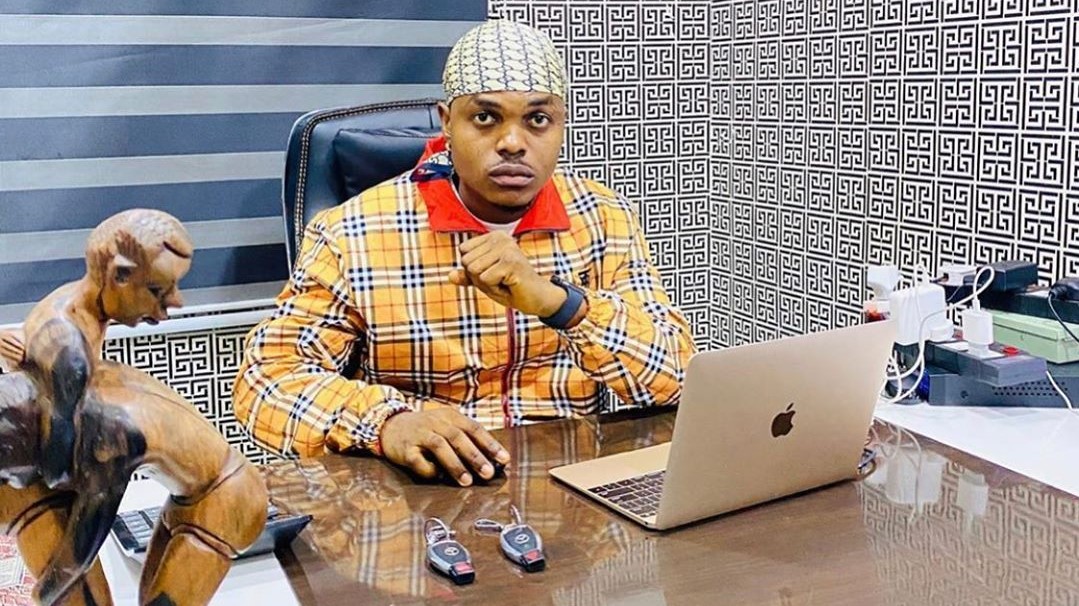
Blord remanded in Kuje prison over VeryDarkMan case
Nigeria’s legal and digital business communities are closely watching the unfolding case involving cryptocurrency entrepreneur Linus Williams Ifejirka, popularly known as B-Lord, following dramatic developments around his bail application in Abuja.
After weeks of detention over alleged impersonation, the case took a surprising turn as reports of a stalled court process and an “unreachable” judge sparked concerns about transparency within the judicial system. However, a subsequent update confirmed that B-Lord has now been granted bail under specific conditions.
Courtroom Drama: Bail Application Stalls Amid Judge’s Absence
The controversy began when proceedings at the Federal High Court in Abuja were abruptly halted due to the reported absence of the presiding judge. This occurred shortly after the Nigeria Police withdrew their earlier opposition to B-Lord’s bail request.
Legal insiders suggested that the withdrawal of the counter-affidavit should have paved the way for a swift bail hearing. Instead, the process stalled, raising concerns about judicial efficiency and procedural delays.
Sources familiar with the case described the situation as “deeply troubling,” noting that the delay prolonged the defendant’s detention despite apparent progress in the legal process.
Police Withdraw Opposition, Raising Legal Expectations
The Nigeria Police’s decision to withdraw their opposition to the bail application marked a significant shift in the case. Typically, such a move signals a reduced prosecutorial stance, often leading to expedited bail consideration.
However, the unexpected halt in proceedings created uncertainty, with observers questioning whether the delay was due to administrative lapses or broader systemic issues within the court system.
Allegations Against B-Lord: Impersonation and Fraud Claims
B-Lord was arraigned on April 1, 2026, over allegations of criminal conspiracy, impersonation, and unauthorized use of identity.
The charges stem from a petition filed by social media personality Martins Vincent Otse, also known as VeryDarkMan. He accused the entrepreneur of falsely using his name and image to promote business ventures.
According to the claims, B-Lord allegedly:
- Forged documents, including flight tickets
- Printed promotional materials featuring the influencer’s image
- Claimed a multi-million-naira endorsement deal without consent
The influencer publicly denied any association, stating he had consistently rejected advertising deals to maintain brand integrity.
READ ALSO
Blord remanded in Kuje Prison as VeryDarkMan impersonation case escalates
B-Lord Granted Bail on Self-Recognizance
Despite earlier delays, a breakthrough emerged as the court granted B-Lord bail on self-recognizance, a relatively lenient condition.
The court, however, imposed specific requirements, including:
- Submission of his international passport
- Compliance with ongoing legal proceedings
The development was disclosed by activist , confirming that B-Lord would remain subject to the court’s jurisdiction.
Legal and Public Reactions to the Bail Development
The case has sparked widespread debate about judicial accountability and due process in Nigeria.
While some legal experts view the bail grant as a necessary step in upholding constitutional rights, others have raised concerns about the initial delays that kept the defendant in custody.
Public discourse has also intensified around the growing intersection of digital entrepreneurship, influencer marketing, and identity misuse, highlighting the need for clearer regulations in Nigeria’s digital economy.
What This Means for Nigeria’s Legal and Digital Landscape
The B-Lord case underscores broader issues affecting Nigeria’s legal and digital ecosystems, including:
- The importance of timely judicial proceedings
- Rising cases of digital impersonation and brand misuse
- The need for stronger regulatory frameworks in online business practices
As the trial proceeds, the outcome could set a precedent for how similar cases involving digital identity and influencer rights are handled in the future.
FAQ
Who is B-Lord?
B-Lord, whose real name is Linus Williams Ifejirika, is a Nigerian cryptocurrency entrepreneur and founder of Blord Group.
Why was B-Lord arrested?
He was arrested over allegations of impersonation, conspiracy, and unauthorized use of another individual’s identity for business promotions.
Who accused B-Lord of impersonation?
Social media influencer Martins Vincent Otse, popularly known as VeryDarkMan, filed the petition leading to the case.
Was B-Lord granted bail?
Yes, B-Lord has been granted bail on self-recognizance, with conditions including surrendering his international passport.
What caused the delay in B-Lord’s bail hearing?
The delay was linked to the reported absence of the presiding judge, even after the police withdrew their opposition to bail.
What does ‘self-recognizance bail’ mean?
It means the defendant is released without sureties but must promise to appear in court and comply with conditions.
What are the main allegations in the case?
The case involves claims of impersonation, forgery, and false endorsement deals using another person’s identity.
Where is the case being heard?
The case is being handled at the Federal High Court in Abuja, Nigeria.
What happens next in the B-Lord case?
The trial will continue, and the court will determine whether the allegations are proven based on evidence presented.
Why is this case significant in Nigeria?
It highlights growing concerns around digital identity misuse, influencer rights, and the need for stronger legal frameworks in online business practices.