

What would Atiku’s fuel subsidy reversal mean for Nigeria?

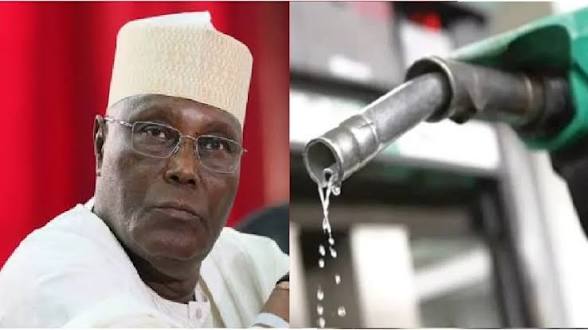
Former Vice-President Atiku Abubakar’s proposal to reverse Nigeria’s fuel subsidy policy could reduce pressure on public finances. However, it may also increase petrol prices, transport fares and inflation if implemented without adequate safeguards.
However, the short-term consequences could be severe if petrol prices rise without adequate relief for households and businesses. Transport fares, food prices and operating costs could all increase.
The success of the proposal would ultimately depend on implementation. If subsidy savings are transparently invested and vulnerable Nigerians receive meaningful support, the policy could contribute to stronger economic stability.
If the savings are mismanaged, however, the reversal could become another source of hardship and public distrust.
Could Subsidy Removal Benefit the Economy?
In the long term, removing the subsidy could encourage investment in Nigeria’s energy sector. Private investors may become more willing to build refineries, storage facilities and distribution networks if petrol prices reflect market conditions.
A more competitive fuel market could also reduce government interference and improve efficiency. Domestic refining could help Nigeria reduce its dependence on imported petrol, preserve foreign exchange and create employment.
The reform could also discourage fuel smuggling. When petrol is sold below its market value in Nigeria, smugglers often move it across borders to sell at higher prices. A more realistic pricing system could reduce that incentive.
Risks of Reversing the Fuel Subsidy
Despite its potential benefits, subsidy reversal carries major risks:
– Higher inflation: Increased petrol prices could raise the cost of food, transport and services.
– Reduced household income: Workers may spend more on commuting and have less money for other needs.
– Pressure on businesses: Manufacturers and small businesses could face higher energy and distribution costs.
– Public protests: Citizens may reject the policy if they do not see clear benefits.
– Poor implementation: Weak oversight could allow subsidy savings to be wasted or diverted.
– Exchange-rate exposure: A weaker naira could increase the cost of imported petroleum products.
These risks show why reform must be carefully planned rather than rushed.
Frequently Asked Questions
What is fuel subsidy reversal?
Fuel subsidy reversal means ending or reducing government payments that keep petrol prices below their actual market cost. Consumers would likely pay a higher price at filling stations.
Why does Atiku support reversing the subsidy?
Atiku supports the idea because subsidy payments consume public funds that could be used for infrastructure, healthcare, education, job creation and targeted assistance for vulnerable Nigerians.
Will subsidy reversal increase petrol prices?
It could increase petrol prices, especially if prices are linked to crude oil costs, exchange rates, transportation expenses and local refining costs.
How would subsidy reversal affect food prices?
Higher petrol prices could increase the cost of transporting farm produce and other goods. This may lead to higher food prices, especially in cities that depend on supplies from distant areas.
Could subsidy removal reduce government borrowing?
Yes. If the government spends less on fuel subsidies, it could reduce budget deficits and borrowing pressure. However, the savings must be properly managed and transparently reported.
What should the government do before reversing the subsidy?
The government should provide affordable public transportation, strengthen social protection, support businesses, improve local refining and publish clear plans for using the savings.
Is subsidy removal good or bad for Nigeria?
Its impact would depend on implementation. It could support long-term economic stability, but it may cause serious short-term hardship if introduced without adequate protection for citizens.
Atiku Abubakar’s fuel subsidy reversal proposal could offer Nigeria an opportunity to redirect public funds towards development and reduce pressure on government finances. It could also support domestic refining, improve energy-sector investment and reduce dependence on imported petrol.
However, Nigerians may face higher fuel prices, transport fares and food costs in the short term. The policy should therefore not be treated as a simple budgetary decision. It is a major economic reform that requires transparency, social protection and strong regulatory oversight.
Nigeria could trade short-term pain for long-term stability—but only if subsidy savings are responsibly managed and vulnerable citizens are protected.