

How did Willie Colón die? Inside details of the Salsa music legend’s death

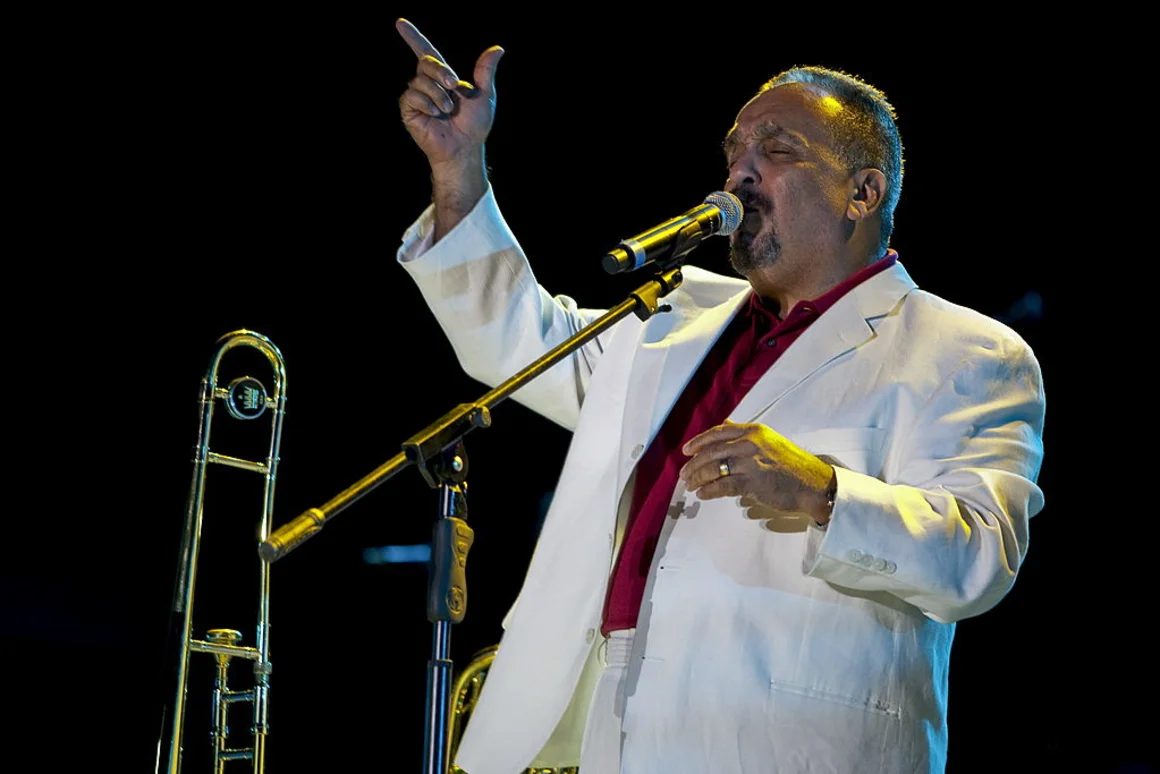
Willie Colón performs during the “Voices of America United for Juárez” concert as part of the Chihuahua International Festival, in Ciudad Juárez, on September 17, 2010. AFP/AFP/AFP via Getty Images
The global salsa community is grieving the loss of one of its most transformative pioneers. Willie Colón — celebrated trombonist, composer, arranger, producer, and cultural force — has died at the age of 75 in New York, according to a statement released by his family.
With his passing, salsa loses not just a musician but one of the architects of its modern sound. For decades, Colón helped shape, redefine, and globalize a genre that became the heartbeat of Latin identity across continents.
A Bronx-Born Visionary Who Redefined Salsa
Born in the Bronx, New York, Colón emerged as a teenage prodigy during the explosive Latin music renaissance of the 1960s and 1970s. As a key figure associated with Fania Records and later a driving force in the legendary Fania All-Stars, he played a central role in turning salsa into a worldwide phenomenon.
Colón’s signature style — heavy trombone lines layered over raw, urban storytelling — distinguished him from his contemporaries. His music reflected barrio life, political consciousness, romance, and streetwise realism. It was bold, brassy, and unapologetically New York.
Among his most beloved songs were “Idilio” and “Gitana,” tracks that became staples at salsa clubs and family gatherings across generations.
Historic Collaborations That Shaped an Era
Colón’s influence extended far beyond his solo recordings. His collaborations with Héctor Lavoe produced some of the most iconic albums in salsa history. Together, they crafted a sound that balanced vulnerability with swagger — a formula that resonated deeply within Latino communities in the United States and abroad.
He also worked extensively with Panamanian singer and songwriter Rubén Blades, blending socially conscious lyrics with orchestral sophistication. Their partnership elevated salsa from dance music to a vehicle for storytelling and political commentary.
Following news of Colón’s death, Blades shared a heartfelt tribute, acknowledging the musician’s immense cultural and artistic contributions. “We don’t just say goodbye to an artist,” Spanish singer Alejandro Sanz wrote in a separate message. “We say goodbye to an era.”
Tributes Pour In From the Salsa World
The outpouring of grief from artists across Latin America and the United States underscores the magnitude of the loss.
Puerto Rican stars such as Víctor Manuelle and Elvis Crespo expressed deep sadness, crediting Colón with influencing their musical journeys. Veteran bassist Bobby Valentín described him as a visionary whose artistic identity was unmatched.
Legendary groups including El Gran Combo de Puerto Rico and Colombia’s Grupo Niche also honored him as a pillar of Latin music.
Beyond the music industry, political figures recognized his cultural imprint. New York State Senator Jessica Ramos remarked that Colón helped define the sound of New York City itself. Meanwhile, New York Attorney General Letitia James called him a Bronx legend whose legacy will endure.
More Than Music: A Cultural and Political Force
Colón’s artistry was inseparable from his activism and civic engagement. Over the years, he used his platform to speak about social justice, Latino identity, and political participation. His manager once remarked that Colón didn’t simply create salsa — he expanded it, politicized it, and brought it to spaces it had never reached before.
His contributions were formally recognized when Latin Recording Academy awarded him the Latin Grammy Lifetime Achievement Award, celebrating a career that spanned decades and reshaped global music.
A Legacy That Will Echo for Generations
While his death marks the end of a chapter, Willie Colón’s music continues to reverberate through dance floors, radio stations, and playlists worldwide. His trombone became the voice of a generation navigating identity, migration, and cultural pride.
Salsa may be mourning today — but the rhythms he helped craft remain immortal.
FAQ
How did Willie Colón die?
His family confirmed his passing at age 75 in New York, but further details were not immediately disclosed.
What was Willie Colón known for?
He was a pioneering salsa trombonist, composer, and producer who helped shape the New York salsa movement of the 1960s and 1970s.
Which artists did Willie Colón collaborate with?
He worked closely with Héctor Lavoe and Rubén Blades, among many others.
Was Willie Colón part of Fania All-Stars?
Yes, he was a key member of the legendary Fania All-Stars.
Did Willie Colón receive major awards?
Yes, he received the Latin Grammy Lifetime Achievement Award for his impact on Latin music.