

Wicknell Chivayo: Did Zimbabwean businessman become born again before he died?

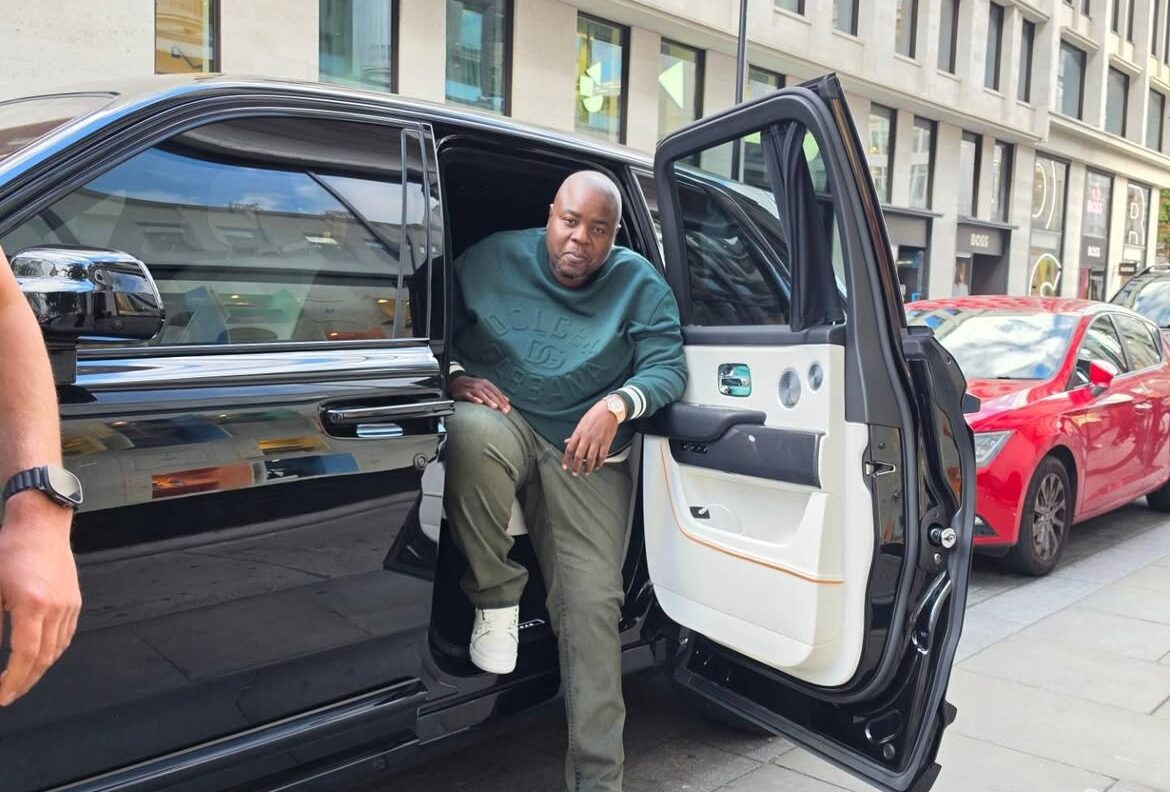
Wicknell Chivayo: Zimbabwean businessman continues to make the headlines following his tragic death. Photo credit: Instagram
Few Zimbabwean businessmen divided public opinion quite like Wicknell Chivayo. Flamboyant, politically connected, and rarely out of the headlines, “Sir Wicknell” built a fortune, a following, and a long list of controversies before his sudden death in a helicopter crash on 30 September 2026 — just days after a very public moment of spiritual surrender that has since taken on new meaning for many who watched it.
Wicknell Chivayo’s early life and a rocky start
Wicknell Munodaani Chivayo was born on 22 November 1980 (some of his own public accounts have cited 1982) in Chivhu, Zimbabwe, and grew up in the Gandami area of Chikomba district in Mashonaland East Province, the same rural community he and his wife were building a home in at the time of his death. His father, Isaac Mathias Chivayo, died in a car accident when Wicknell was about ten years old, after which his mother raised him. Money was tight growing up, and by his own account he left school in 1996, working first as a wages clerk at a bus company before moving into foreign currency trading at Harare’s Union Avenue Flea Market.
His early adult years were anything but smooth. In 2004, he was convicted of theft by false pretences over a failed currency transaction and sentenced to three years at Chikurubi Maximum Security Prison. In 2011, he was again arrested, this time on eight counts of fraud and money laundering, with five of his vehicles confiscated by the state.
Wicknell Chivayo’s business empire: Gwanda Solar and beyond
It was after his release from prison that Chivayo rebuilt himself, founding Intratrek Zimbabwe (later also operating as IMC Construction), a company focused on solar and hydro power projects, construction, and electrical infrastructure. His defining deal came in 2015, when Intratrek secured a contract worth roughly US$172 million to build a 100-megawatt solar power plant in Gwanda for the Zimbabwe Power Company (ZPC) — a project that would go on to define both his wealth and his public controversy for the next decade.
The Gwanda project became mired in legal disputes almost immediately. Intratrek received a multimillion-dollar advance payment from ZPC without a required bank guarantee, and construction stalled for years. Chivayo faced multiple rounds of criminal prosecution tied to the advance payment, and was acquitted in 2023/2024 after courts found the prosecution had been subject to unreasonable delay — a technical acquittal that left the underlying questions about the project’s stalled progress unresolved in the eyes of many critics. Parliament’s Portfolio Committee on Mines and Energy grilled him directly over the matter in 2018. The contract itself was eventually upheld in court, and in March 2025 the government announced it was reviving the project under revised terms; work was ordered to resume shortly before his death.
Chivayo’s business interests expanded beyond Zimbabwe in his final years, including a reported stake involving his company in a major airport expansion project in Kenya (a claim Kenyan officials disputed) and a cybersecurity/telecoms venture through IMC Communications, which held a Zimbabwean internet service provider licence. Zimbabwe’s Anti-Corruption Commission also investigated, and in December 2025 cleared him of, allegations linking him to fraud in election-materials procurement.
Wicknell Chivayo’s net worth: Widely claimed, never independently verified
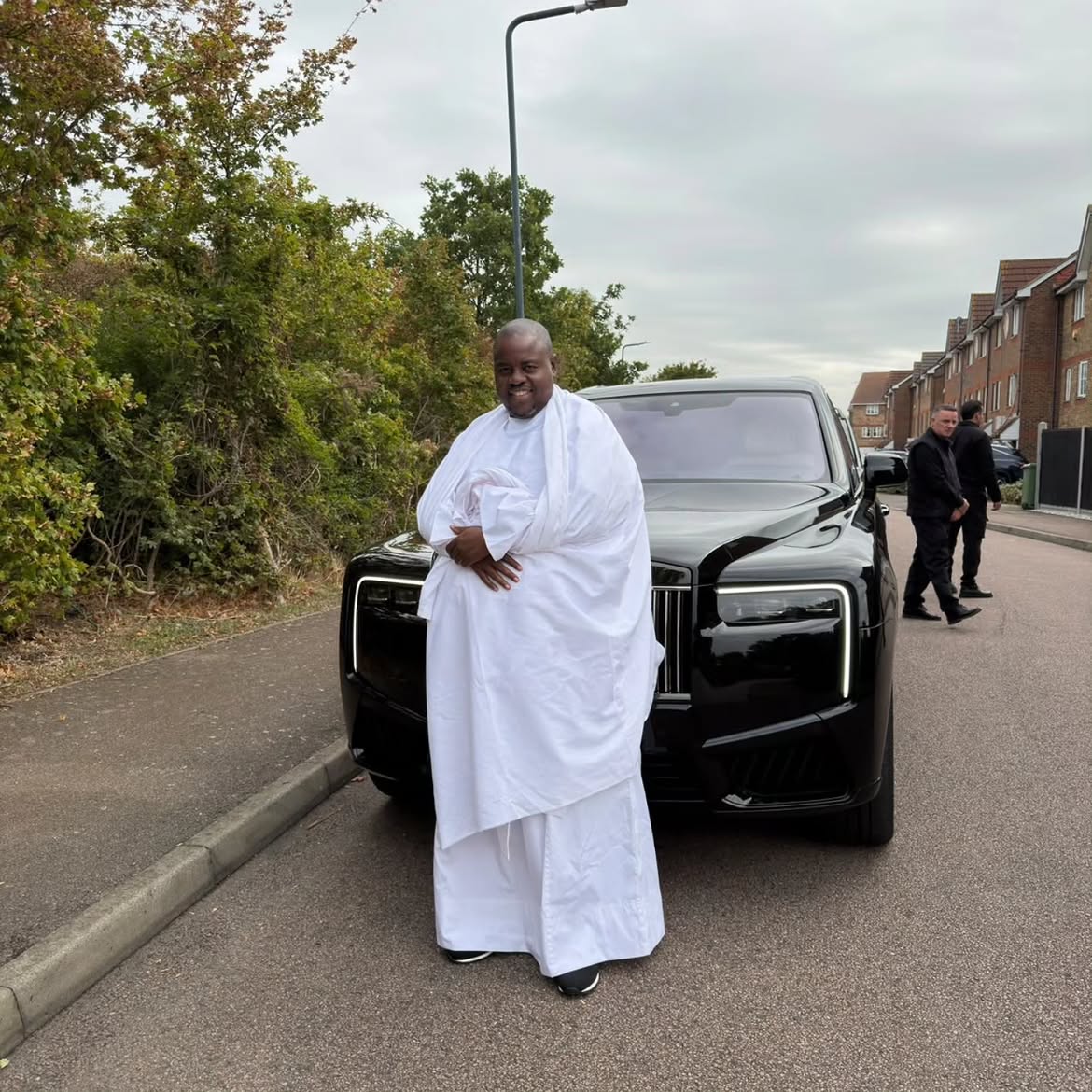
Chivayo himself claimed a net worth exceeding US$100 million in a 2024 StarFM interview, describing himself as a “centi-millionaire” and attributing his wealth primarily to his energy contracts, above all Gwanda Solar. Various profiles published after his death put his estimated net worth anywhere between US$10 million and over US$100 million, but none of these figures rest on an independently audited or publicly disclosed financial record — much like the wealth estimates that regularly circulate around other high-profile African businessmen. What is well documented is his asset base: a roughly US$7 million Harare mansion once owned by a former police commissioner, a large fleet of luxury vehicles, and extensive regional business holdings.
Wicknell Chivayo’s wife, family and lifestyle
At the time of his death, Chivayo was married to Lucy “Lulu” Muteke, a Zimbabwean model, personal shopper, and social media personality whose relationship with him became public in December 2024 and who he married in 2025. Before Muteke, he was married to Sonja Madzikanda, with whom he had two children, John Chenjera-Chivayo (born 2018) and Atarah Minana-Chivayo (born 2019); that marriage ended in divorce. Muteke generally kept a lower public profile than her husband, though she appeared alongside him at public events and on social media, and public biographical detail about her own early life remains limited.
Chivayo’s lifestyle was, by any measure, the most talked-about part of his public identity. He styled himself “Sir Wicknell” and chronicled a stream of luxury purchases, lavish parties, and extravagant cash and vehicle gifts to musicians, journalists, sports organisations, and political allies — acts that drew both admiration and sharp criticism in a country facing significant economic hardship. He was a publicly declared supporter of Zimbabwe’s ruling ZANU-PF party and President Emmerson Mnangagwa, and had developed visible ties in 2025 with Kenyan President William Ruto. Critics, including exiled musician Thomas Mapfumo, characterised his spending as a vehicle for channelling party-linked money to loyalists rather than purely personal generosity; his defenders pointed to genuine, large-scale charitable giving running into the millions of dollars.
The Apostle Joshua Selman Altar Call and Born-Again Claims
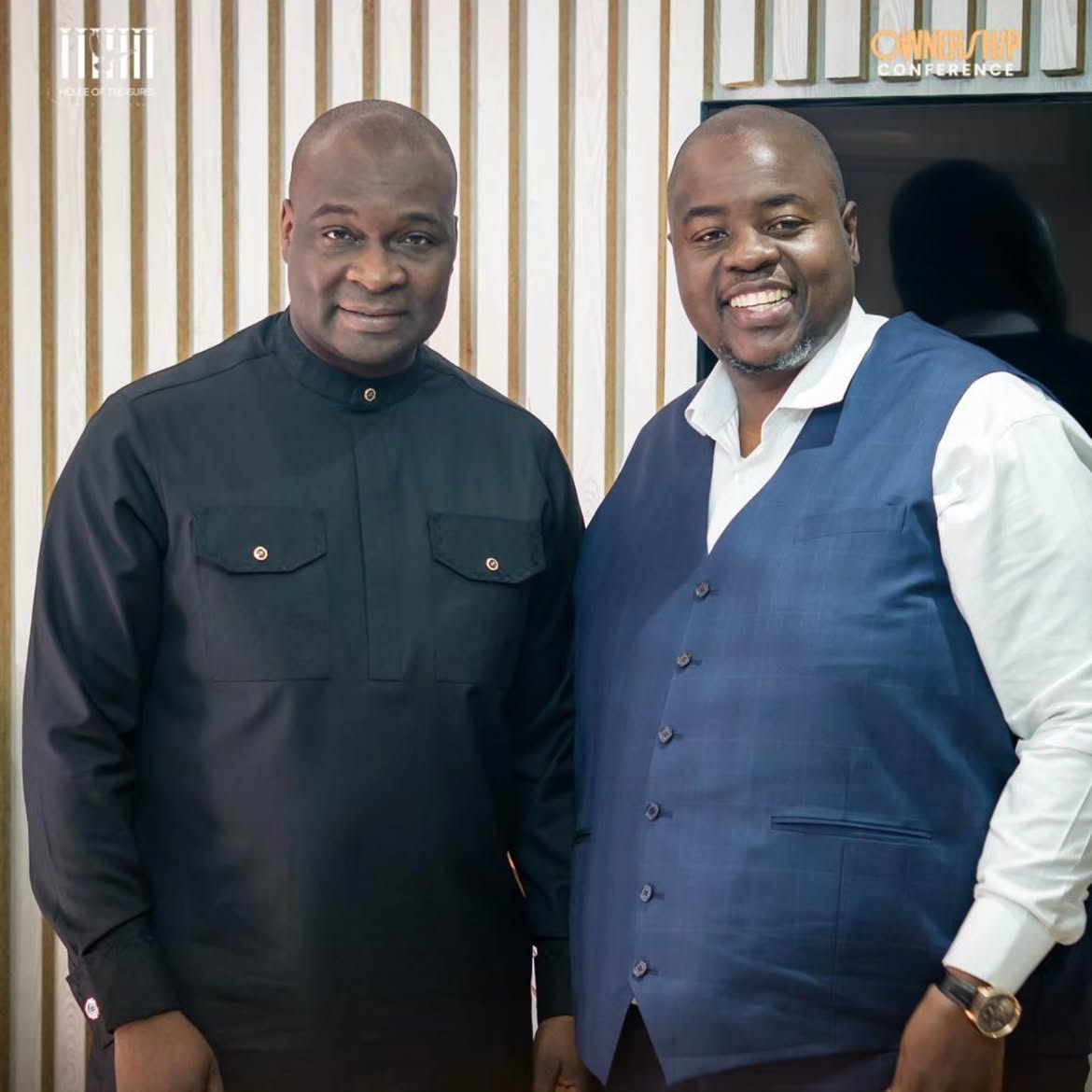
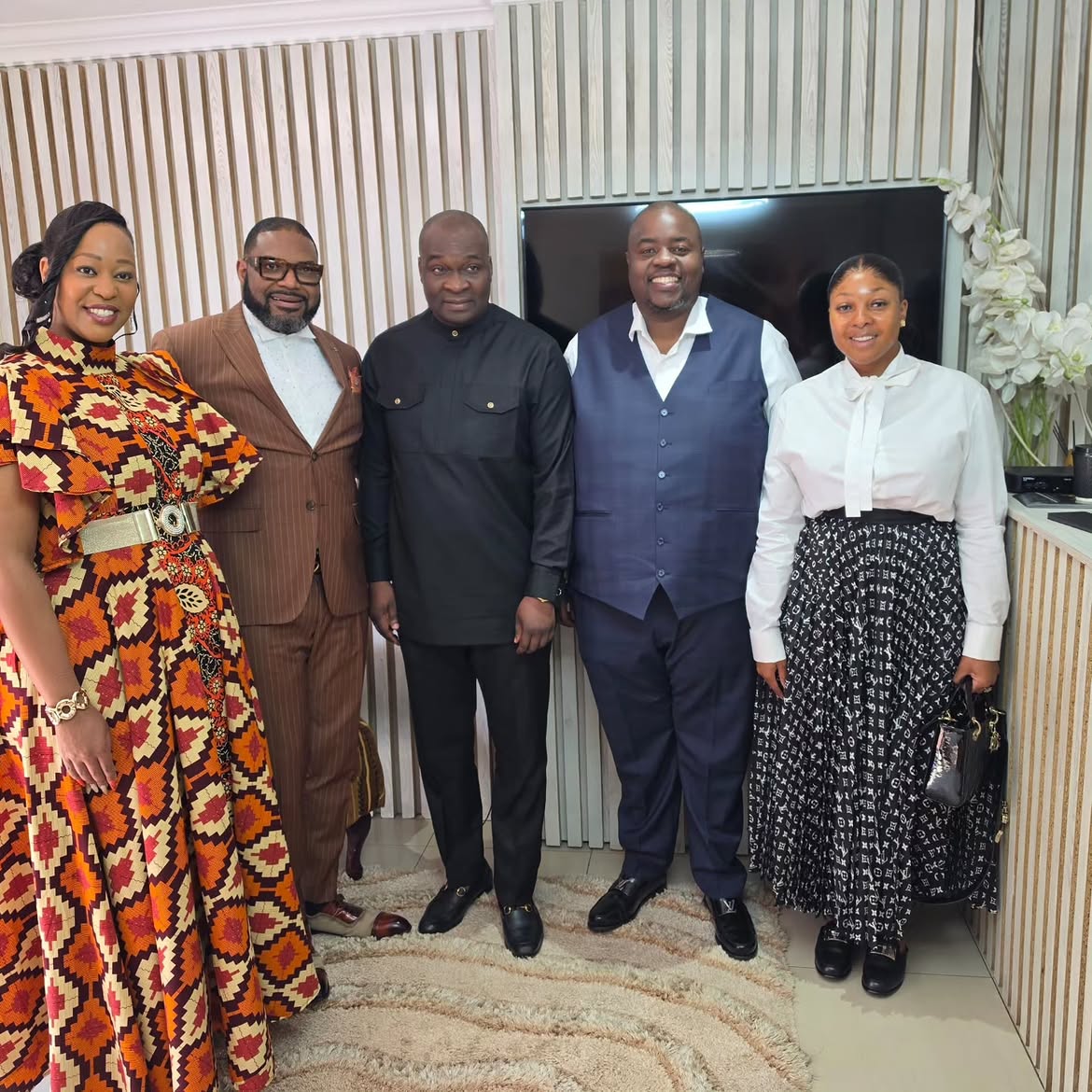
In the days before his death, Chivayo and Muteke attended a service at House of Treasures Ministries in South Africa, hosted by Apostle Felix Okoh and his wife, Pastor Bulewa Okoh, as part of a gathering called Vessels of Honour. Nigerian preacher Apostle Joshua Selman, founder of Koinonia/Eternity Network International, led the service and issued an altar call, praying: “Lift your hand and say, Lord Jesus I have heard your word and I love you with all my heart and I believe that you are the son of God and I believe that you rose again for my justification… Right now I receive Jesus into my heart as my saviour, my Lord and my King.”
View this post on Instagram
Video footage shows Chivayo and Muteke visibly raising their hands and participating in that moment of surrender. Okoh later shared photographs of himself with Selman, Chivayo, and Muteke, thanking the couple for joining the service. That footage, which drew relatively little attention at the time, has since been widely recirculated and discussed because it occurred just four days before the couple’s deaths — a detail that has struck many commentators and members of the public as a poignant, almost prophetic coincidence, regardless of how one chooses to interpret it spiritually.
Wicknell Chivayo: Final Days and the Helicopter Crash
On Wednesday, 30 September 2026, Chivayo, Muteke, and four others, including two pilots and a personal aide, boarded a private helicopter that departed from Gandami, the rural Chikomba district area where Chivayo grew up and where the couple had been building a home. The aircraft crashed roughly 40 minutes after takeoff at Kudenga Farm near Marondera, in Mashonaland East Province, about 70 kilometres southeast of Harare, at around 5pm local time. The helicopter burst into flames on impact. The Zimbabwe Republic Police confirmed the crash in a short statement, and government spokesperson Nick Mangwana said on X that “current information indicates that there were no survivors in this crash.” Family spokesperson Herbert Chivayo confirmed the deaths to state broadcaster ZBC. The cause of the crash had not been established as of this report, with an investigation under way.
Wicknell Chivayo: Reaction and Tributes
President Emmerson Mnangagwa said he was “personally numbed” by the deaths of Chivayo and Muteke, describing the businessman as “consummately philanthropic” and citing “countless acts of charity and generosity which ran into millions of dollars.” Kenyan President William Ruto paid tribute to Chivayo as “a dear friend whose warmth touched many people.” Reaction across Zimbabwe and the wider region was sharply divided along the same lines that had defined Chivayo’s public life — mourning from political allies and beneficiaries of his generosity, alongside renewed commentary from critics about the wealth gap his lifestyle had come to symbolise in a country facing ongoing economic hardship.
FAQ on Wicknell Chivayo
How did Wicknell Chivayo die? He died when a private helicopter he was travelling in crashed at Kudenga Farm near Marondera, Zimbabwe, on 30 September 2026, roughly 40 minutes after takeoff. All six occupants, including his wife, two pilots, and a personal aide, died; there were no survivors.
What was Wicknell Chivayo’s net worth? He claimed over US$100 million in a 2024 interview, and various published estimates range from US$10 million to over US$100 million, though no figure is independently audited or officially confirmed.
Who was Wicknell Chivayo’s wife? At the time of his death, he was married to Lucy “Lulu” Muteke, whom he married in 2025. He was previously married to Sonja Madzikanda, with whom he had two children.
Did Wicknell Chivayo become born again before he died? Days before his death, he and his wife publicly participated in an altar call led by Apostle Joshua Selman at a service in South Africa, visibly raising their hands during a prayer of salvation. The moment has drawn widespread attention since his death due to its timing.
What was the Gwanda Solar Project controversy? Chivayo’s company Intratrek secured a roughly US$172 million contract in 2015 to build a 100-megawatt solar plant in Gwanda, received a large advance payment without the required bank guarantee, and faced years of legal disputes and fraud charges before being acquitted on grounds of prosecutorial delay. The project remained largely stalled for years before being revived in 2025.
What business did Wicknell Chivayo run? He founded and led Intratrek Zimbabwe (also operating as IMC Construction/IMC Communications), focused on solar and hydro energy projects, construction, and telecoms infrastructure, alongside expanding regional business interests.
Why was Wicknell Chivayo a controversial figure? His closeness to Zimbabwe’s ruling ZANU-PF party, history of fraud-related prosecutions, and highly publicised cash and luxury-vehicle gifts to political allies and celebrities drew sustained criticism, even as supporters pointed to his genuine philanthropic giving.