

Why did Doug Ford reshuffle his cabinet?

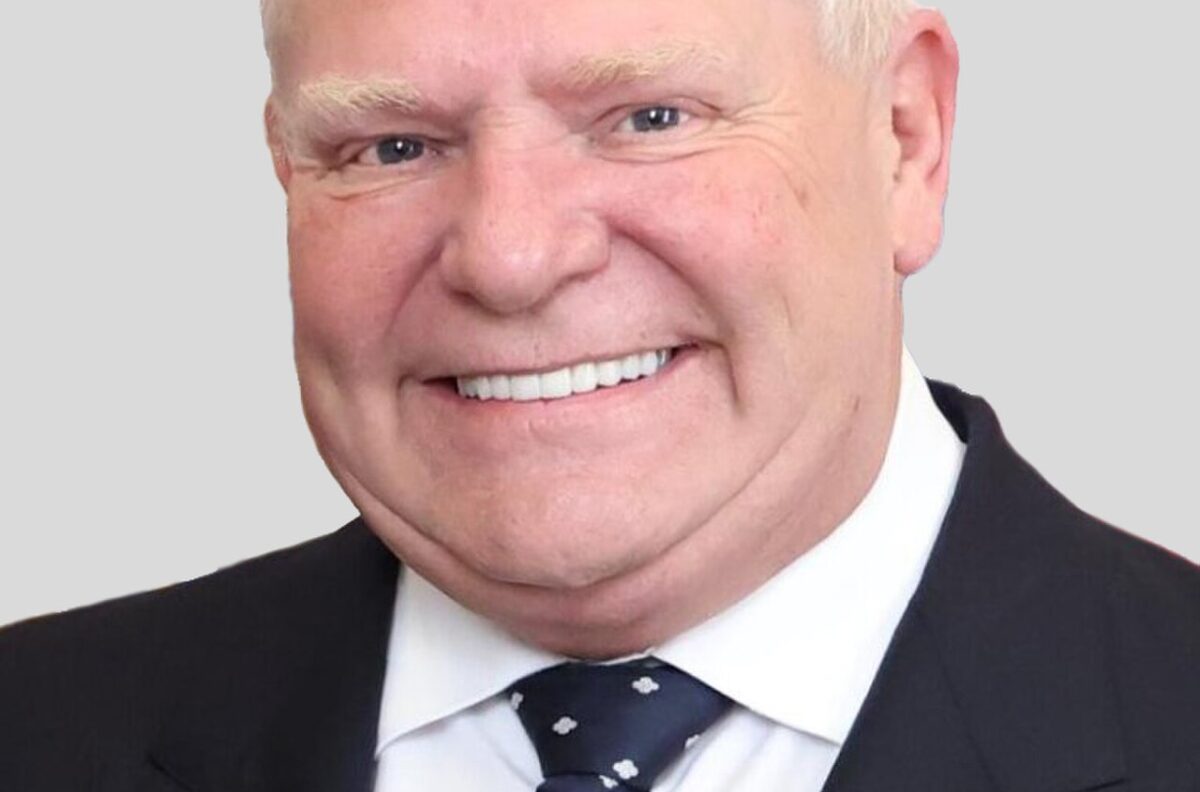
Ontario Premier Doug Ford has reshuffled his cabinet as his government faces pressure from an escalating trade war with the United States, recent ministerial departures and the need to prepare the province for a changing economy.
Ford, who has served as Ontario premier since 2018, announced several changes on Thursday, September 10, moving nine ministers between portfolios and bringing new faces into his cabinet.
But why did Doug Ford reshuffle his cabinet now?
The answer goes beyond replacing ministers who have left.
Trade war puts pressure on Ford
The reshuffle comes as Ontario remains at the centre of the economic fallout from US President Donald Trump’s trade policies.
Ontario has strong economic ties with the United States, particularly in manufacturing and the automotive industry. That makes Trump’s tariffs and restrictions a major concern for Ford’s government.
The trade dispute escalated this week after Canada imposed retaliatory tariffs on about C$20 billion worth of US goods. Washington responded by restricting several Canadian products, including dairy, motorcycles and alcoholic beverages.
Ford has become one of Trump’s most outspoken Canadian critics.
On Thursday, the Ontario premier said he hoped Trump’s Republican Party would lose control of both the US House of Representatives and Senate in November’s midterm elections, arguing that American voters should hold the president accountable for the trade war.
The cabinet changes therefore come at a time when Ford needs his government focused heavily on protecting Ontario’s economy and attracting investment.
Ford wanted a fresh start
Ford himself described the reshuffle as an opportunity to move ministers around and give them a “fresh outlook” and a “fresh start” in new ministries.
That explanation is important because several of the changes are not promotions or demotions in the traditional sense.
Kinga Surma, who previously served as infrastructure minister, is moving to become president of the Treasury Board. The position became vacant after Caroline Mulroney left the legislature earlier this year.
David Piccini is moving from labour to infrastructure, while Trevor Jones takes over the labour portfolio. Sam Oosterhoff moves into agriculture, replacing Jones.
The changes give Ford an opportunity to reorganise responsibilities before Ontario’s legislature returns and allow ministers to approach their portfolios with new priorities.
Some vacancies forced the reshuffle
Ford also had practical reasons to make changes.
His government had lost three cabinet ministers in recent months.
Former Treasury Board president Caroline Mulroney left the legislature, leaving the position to be temporarily handled alongside Finance Minister Peter Bethlenfalvy’s responsibilities.
Stan Cho resigned as tourism, culture and gaming minister after facing criticism over $16,000 in Toronto hotel expenses.
Neil Lumsden also resigned as sport minister and left the legislature.
Those departures created vacancies that Ford needed to fill.
Zee Hamid now takes over tourism, culture and gaming, while Brian Saunderson becomes sport minister.
Saunderson, a former Olympic rower and Progressive Conservative member of Ontario’s legislature, is one of the new faces joining cabinet.
Why is AI now part of Ford’s cabinet?
Perhaps the most forward-looking change is the creation of a new associate minister responsible for artificial intelligence adoption.
Ford appointed Vijay Thanigasalam to the position, moving him from his previous role as associate minister of mental health and addictions.
The premier said Ontario would begin focusing more heavily on AI, pointing to the province’s growing number of graduates in artificial intelligence and STEM fields.
The new role suggests Ford sees AI as part of the province’s economic response to a changing global economy.
While the immediate challenge is protecting Ontario from the effects of Trump’s trade policies, the longer-term challenge is ensuring that the province remains competitive as businesses adopt new technologies.
Ford also eliminated the associate minister position responsible for auto theft and bail reform, saying the mandate attached to the role had been fulfilled.
What does the reshuffle mean?
Ford’s cabinet changes can therefore be viewed as a combination of damage control, political housekeeping and economic repositioning.
He needed to replace ministers who had departed, but he also used the opportunity to move experienced politicians into important economic portfolios and introduce AI as a specific government priority.
The move of Piccini is particularly notable. He leaves the labour ministry while facing an integrity commissioner investigation after the auditor general raised questions about his handling of Ontario’s C$2.5 billion Skills Development Fund. Ford has defended Piccini and the programme.
At the same time, infrastructure and Treasury Board are being placed under new leadership, giving Ford a different team to manage spending, construction and economic priorities.
Ultimately, the reshuffle shows that Ford wants his government to enter the next phase with a renewed focus on economic resilience, infrastructure, technology and the fight to protect Ontario’s interests in the Canada-US trade dispute.
The real test will be whether the new team can turn those priorities into results as Ontario navigates an increasingly uncertain economic relationship with its biggest trading partner.