

When a town hall meeting becomes a controlled conversation

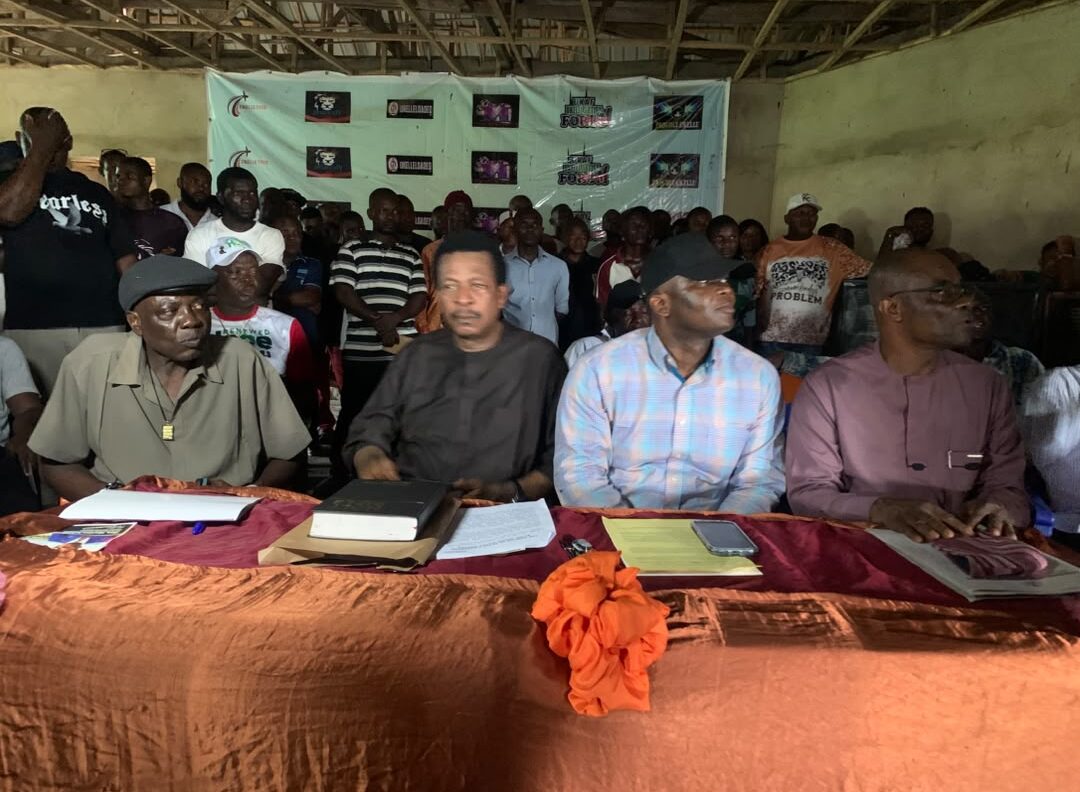
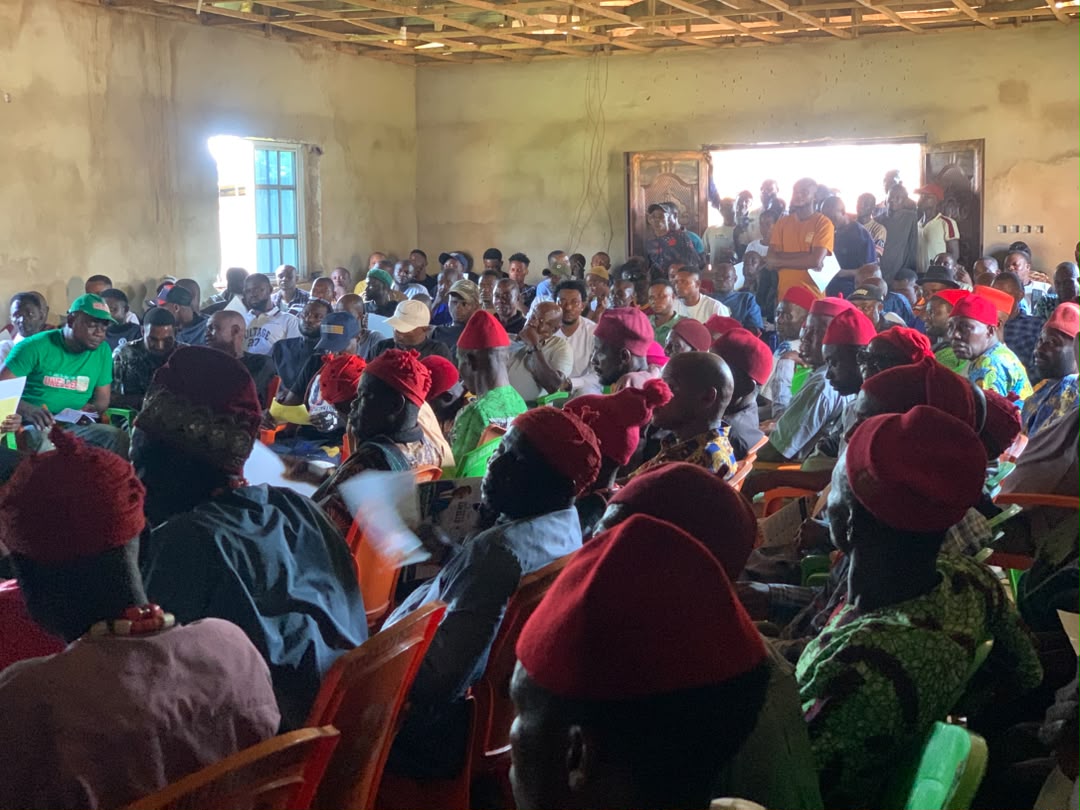
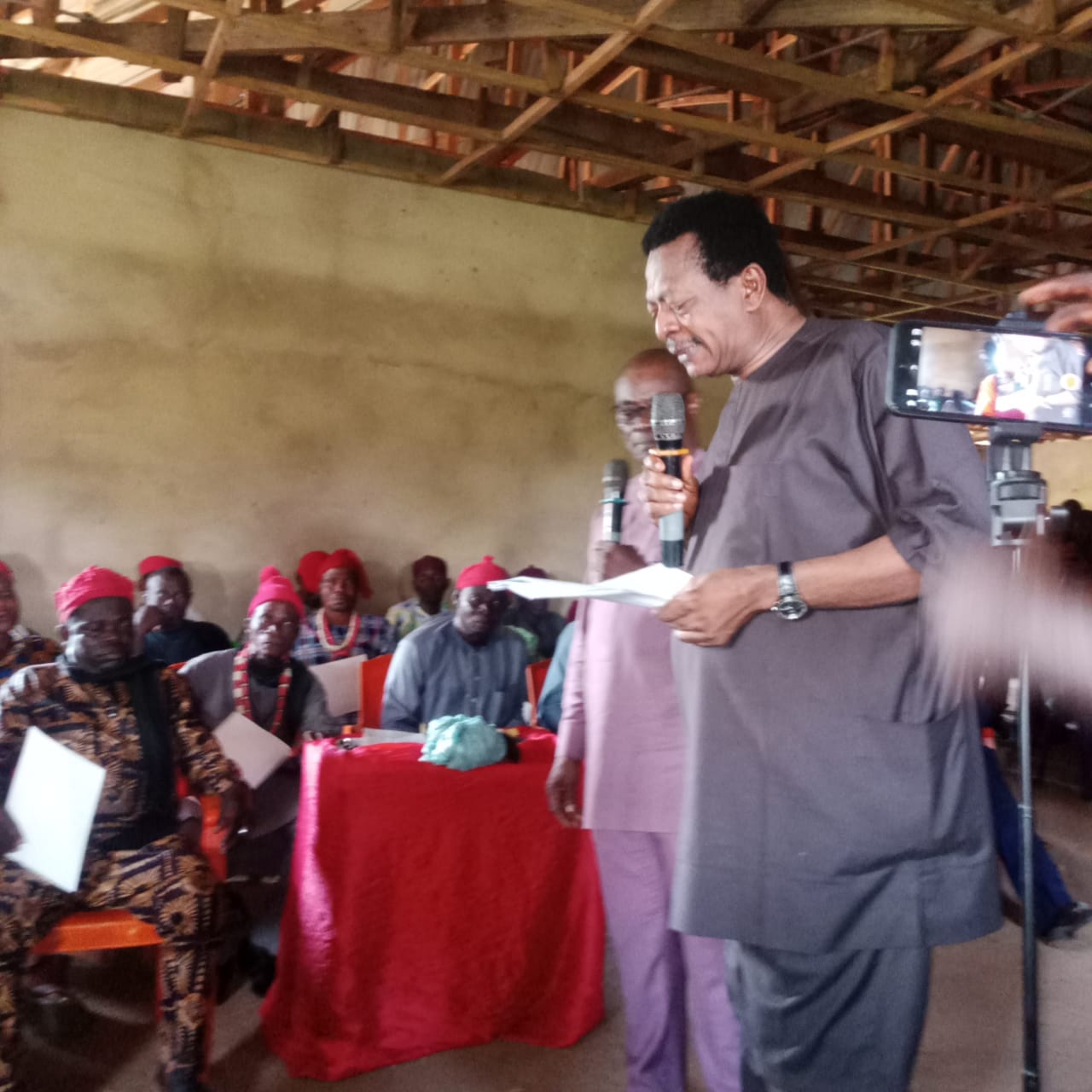
The recently published report on the Ukelle Town Hall Meeting presents the engagement as a significant step toward unity, reconciliation, and accountability and constructive dialogue between Ukelle leaders and the youths.
However, from a public relations and community-engagement perspective, there appears to be a significant gap between how the meeting has been presented and how the engagement was experienced by some participants.
A genuine Town Hall Meeting is expected to create an open and interactive environment where community members can freely raise concerns, challenge existing narratives, ask difficult questions and receive direct responses from those in positions of responsibility.
If, as some participants contend, the meeting was largely controlled by political actors and the issues presented were carefully selected to favour the leadership, then describing the gathering simply as an “open platform for frank conversations” may not adequately reflect the character of the engagement.
The problem is not criticism of social media. It is whether people were given a real alternative.
The report places considerable emphasis on social-media hostility, misinformation, character assassination and responsible digital citizenship.
Those are legitimate concerns.
But responsible communication must work in both directions.
If young people resort to social media because they believe conventional avenues for engagement are inaccessible, ineffective or controlled, simply asking them to stop expressing their frustrations online does not address the underlying communication problem.
The more important question should therefore be; were the youths genuinely given the freedom and opportunity to speak at the Town Hall about the issues that brought them to social media in the first place?
A town hall should not be a political presentation.
There is also a fundamental difference between a Town Hall Meeting and a political sensitisation meeting.
A political presentation generally involves leaders communicating their position to an audience. A Town Hall, by contrast, should involve meaningful two-way communication.
If politicians dominated the proceedings, determined which issues were discussed, selectively presented information and left little room for uncomfortable questions or alternative perspectives, then the engagement risks becoming more of a managed public-relations exercise than a genuine consultation.
That distinction matters.Because when an event is advertised as dialogue but participants perceive it as a predetermined conversation, it can actually deepen the distrust it was intended to reduce.
Ukelle youths deserve more than a scripted conversation
The concerns of Ukelle youths should not be reduced to “social media hostility.”
Behind online criticism may be genuine questions about development, representation, accountability, infrastructure, political inclusion, employment, education and the responsiveness of leadership.
Those questions deserve to be heard directly.Leadership should not only ask youths to communicate responsibly; leadership should also create credible channels through which youths can communicate without fear, intimidation or political filtering.
The message “we may disagree, but we must not destroy our reputation as a nation” is important, it must apply to everyone.
Unity cannot mean silence.
Respect cannot mean immunity from scrutiny.Peace cannot mean the absence of difficult questions.
And responsible digital citizenship should not become a convenient language for discouraging legitimate criticism.
Ukelle needs a culture where leaders can be questioned without being insulted, and where youths can criticise without being labelled enemies of the Community.
What should happen next?
If the objective is genuinely to bridge the communication gap, the next engagement should be structured differently:
Allow youths to independently set some of the questions.
Publish the agenda before the meeting.
Give adequate time for questions and responses.
Permit divergent views without political intimidation.
Invite representatives from different political tendencies.
Provide a mechanism for documenting unresolved issues.
Publish agreed resolutions and identify who is responsible for implementation.
Organise follow-up meetings to assess progress.
Most importantly, leadership should be prepared to hear what it may not want to hear.
That is the real test of a Town Hall.The objective should not be to produce a favourable narrative about the meeting.
It should be to create an environment where the truth about the concerns of the people can emerge, even when that truth is uncomfortable.
Ukelle does not need a Town Hall where everyone simply agrees. Ukelle needs a Town Hall where everyone is genuinely allowed to speak.
Because you cannot build lasting unity by controlling the conversation.You build it by creating enough trust for people to have the conversation openly.
Comr James Eddelukpata an independent freelance photojournalist. An advocate for political literacy and grassroots development.