

What is World AIDS Day? Here’s what to know

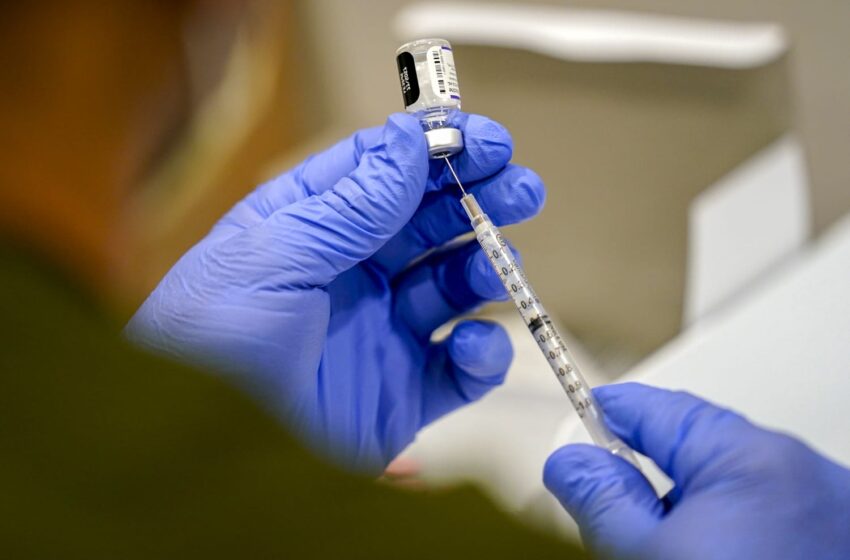
A health care worker fills a syringe in Miami in 2021. Credit: Lynne Sladky / AP file
World AIDS Day has always been more than a ceremonial date on the global health calendar — it is a reminder of lives lost, battles fought, and the urgent work that remains undone. As the world marks another 1 December, countries such as South Africa and Australia stand as powerful symbols of both progress and persisting challenges in the long history of HIV/AIDS.
In the early years of the epidemic, the world grappled with fear, confusion, and severe stigma. HIV was misunderstood, medical knowledge was thin, and those infected were often condemned socially long before they experienced physical symptoms. In the 1980s, misinformation travelled faster than science, and entire communities — especially LGBTQ+ persons, sex workers, and intravenous drug users — bore the crushing weight of discrimination. In places like Australia, debates escalated to alarming extremes, with some public figures proposing forced isolation of people who tested positive.
Yet, even amidst fear, communities responded with courage. In 1988, when the world observed the first World AIDS Day, Australia’s LGBTQ+ community transformed grief into activism. That year in Sydney, the unveiling of the Australian AIDS Memorial Quilt marked a profound moment of collective remembrance. Each panel told a personal story — a partner, a friend, a sibling — and when the names were read aloud one by one, the gathering became an act of defiance against silence and shame. Over time, these memorials grew so large that reading the names took hours, a painful reminder of the devastation hitting queer communities.
Fortunately, Australia’s response evolved into what experts now call a global model. Activist-led safe-sex campaigns, needle-exchange programs, and early government-backed prevention initiatives slowed the spread significantly. By the mid-1990s, and with the breakthrough of combination therapy in 1996, HIV shifted from a fatal diagnosis to a manageable condition. While many Western countries saw rising infections well into the 90s, Australia recorded its peak in 1988 and subsequently achieved a steep decline. The success was not accidental — it was the product of community knowledge guiding policy, and a refusal to moralise an issue that demanded compassion and science.
Across the world today, however, the story is not uniform. In southern and central Africa, home to more than half of all people living with HIV, the epidemic continues to expose deep social and gender inequalities. South Africa, the global epicentre of the pandemic with almost 8 million people living with HIV, enters World AIDS Day 2025 under the theme “Renewed Efforts and Sustainable Commitments to End AIDS.” The message is clear: despite scientific progress, the fight is far from over.
South Africa has made significant strides — providing high-quality antiretroviral regimens, funding 90% of its own ARVs, and rolling out six-month dispensing to reduce clinic visits. Yet gaps persist. The national score of 96-79-96 shows that while testing and viral suppression rates are high, retention on treatment remains a major challenge. Structural barriers, long queues, transportation costs, social stigma, and negative perceptions of healthcare facilities still prevent thousands from staying on medication.
Young women remain the most vulnerable, facing biological risks compounded by poverty, gender-based violence, and relationships with older partners who have higher HIV prevalence. Despite youth-centered campaigns and the introduction of new prevention tools — including the long-acting injectable pre-exposure prophylaxis, lenacapavir — infections remain high among adolescent girls and young women.
World AIDS Day 2025 is a reminder that history carries lessons. Australia’s example shows what is possible when communities, health workers, and governments align. South Africa’s resilience shows the power of scale, political will, and reform. But the global story of HIV/AIDS is still being written — and it demands commitment, compassion, and renewed urgency.
FAQ
1. Why is World AIDS Day still important today?
Because millions are still not on treatment, stigma persists, and infections continue in vulnerable groups.
2. What made Australia’s HIV response so successful?
Early activism, government support, safe-sex education, and access to treatment saved countless lives.
3. Why does South Africa remain the epicentre of HIV?
High prevalence, socio-economic factors, gender-based vulnerabilities, and structural barriers to treatment.
4. What is lenacapavir and why is it significant?
It is a long-acting injectable HIV prevention drug administered every six months — a potential game-changer.
5. What does the 95-95-95 target mean?
It refers to 95% knowing their status, 95% of diagnosed on treatment, and 95% of those on treatment virally suppressed.