

7 Smart Ways to Make Homemade Snacks Healthier

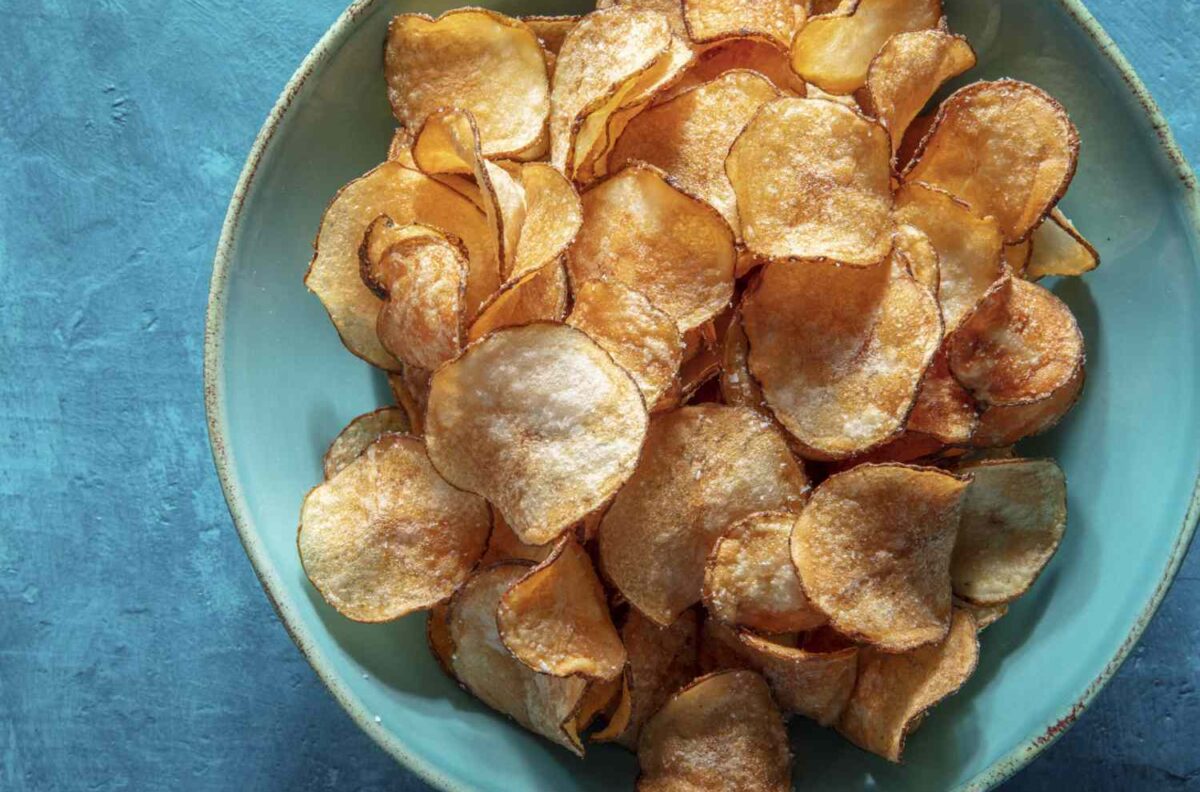
Simple ways to make homemade snacks healthier
As more people rethink what they eat between meals, homemade snacks are gaining renewed attention, not just for cost savings, but for health, control, and nutrition. While store-bought snacks are often loaded with excess sugar, salt, and preservatives, snacks made at home offer a powerful opportunity to eat smarter.
Nutrition experts agree: small changes in ingredients and preparation methods can significantly improve the health profile of everyday snacks without making them boring or restrictive. From smarter sweeteners to healthier cooking techniques, these strategies help turn comfort snacks into nutrient-rich fuel.
Here are seven practical, evidence-aligned ways to make homemade snacks healthier, while keeping taste firmly on your side.
1. Swap Refined Flour for Whole Grains
One of the simplest upgrades is replacing refined white flour with whole-grain alternatives such as whole wheat, oats, or brown rice flour. Whole grains retain their fiber and essential nutrients, which support digestion and help keep you full longer.
Whether you’re baking muffins, pancakes, or crackers, this single swap can lower blood sugar spikes and increase the snack’s overall nutritional value, without drastically changing texture or taste.
2. Cut Back on Added Sugar
Many homemade snacks become unhealthy due to excess added sugar. Instead of eliminating sweetness entirely, try reducing sugar by a third and enhancing flavor with natural options like mashed bananas, dates, applesauce, or cinnamon.
These alternatives provide natural sweetness while adding fiber and micronutrients, making snacks more satisfying and balanced.
3. Use Healthier Fats
Butter and shortening aren’t off-limits, but moderation matters. Replacing part of the fat content with healthier options—such as olive oil, avocado, nuts, or seeds—can improve heart health and provide essential fatty acids.
For baked snacks, yogurt or nut butters can also deliver moisture and richness with less saturated fat.
4. Add Protein for Longer Fullness
Protein is a key factor in staying satisfied between meals. Incorporating ingredients like Greek yogurt, eggs, nut butters, seeds, or legumes helps stabilize energy levels and reduce unnecessary snacking later.
High-protein snacks are especially beneficial for children, students, and active adults who need sustained energy throughout the day.
READ ALSO
10 Foods That Naturally Boost Brain Power
8 Fermented foods that transform your gut health and the benefits
5. Sneak in Fruits and Vegetables
Snacks don’t need to look “green” to be nutritious. Finely grated carrots, zucchini, pumpkin, or spinach can be blended seamlessly into baked goods, energy balls, or savory snacks.
Fruits and vegetables boost vitamins, antioxidants, and fiber, often without altering flavor, making them ideal for picky eaters.
6. Choose Baking, Air-Frying, or Roasting Over Frying
Cooking methods matter as much as ingredients. Deep frying adds unnecessary fat and calories, while baking, roasting, or air-frying preserves flavor with far less oil.
From potato wedges to homemade chips, these methods deliver crunch without compromising nutrition.
7. Practice Portion Awareness
Even healthy snacks can become counterproductive when portions are oversized. Pre-portioning snacks into small containers or wraps helps prevent mindless eating and keeps calorie intake in check.
Balanced snacks are about quality and moderation, not restriction.
Why Healthier Snacks Matter More Than Ever
With rising awareness around lifestyle-related health issues, nutritionists emphasize that small daily choices add up. Healthier homemade snacks support better energy, focus, and overall well-being, especially when they replace ultra-processed alternatives.
By focusing on ingredient quality and preparation, home kitchens can become powerful tools for better health.
FAQ
Are homemade snacks healthier than store-bought snacks?
Yes. Homemade snacks allow full control over ingredients, helping reduce excess sugar, salt, unhealthy fats, and preservatives.
What is the healthiest ingredient to add to snacks?
Whole grains, fruits, vegetables, nuts, and protein-rich foods like yogurt or eggs offer the most nutritional benefits.
How can I reduce sugar in homemade snacks?
Use natural sweeteners like fruit, cut sugar gradually, and rely on spices such as cinnamon or vanilla for flavor.
Can healthy snacks still taste good?
Absolutely. Smart ingredient swaps and cooking methods preserve flavor while improving nutrition.
What are good healthy snacks for kids?
Baked fruit snacks, yogurt-based treats, whole-grain muffins, and nut-free energy balls are nutritious and kid-friendly.
How often should I eat snacks?
Snacking depends on individual needs, but balanced snacks between meals can help maintain energy and prevent overeating.
What’s the biggest mistake people make with homemade snacks?
Overusing sugar or ignoring portion size, even healthy snacks can become unhealthy in excess.