

Venezuela hidden $240 Billion debt finally exposed: What to know about the World’s biggest financial restructuring

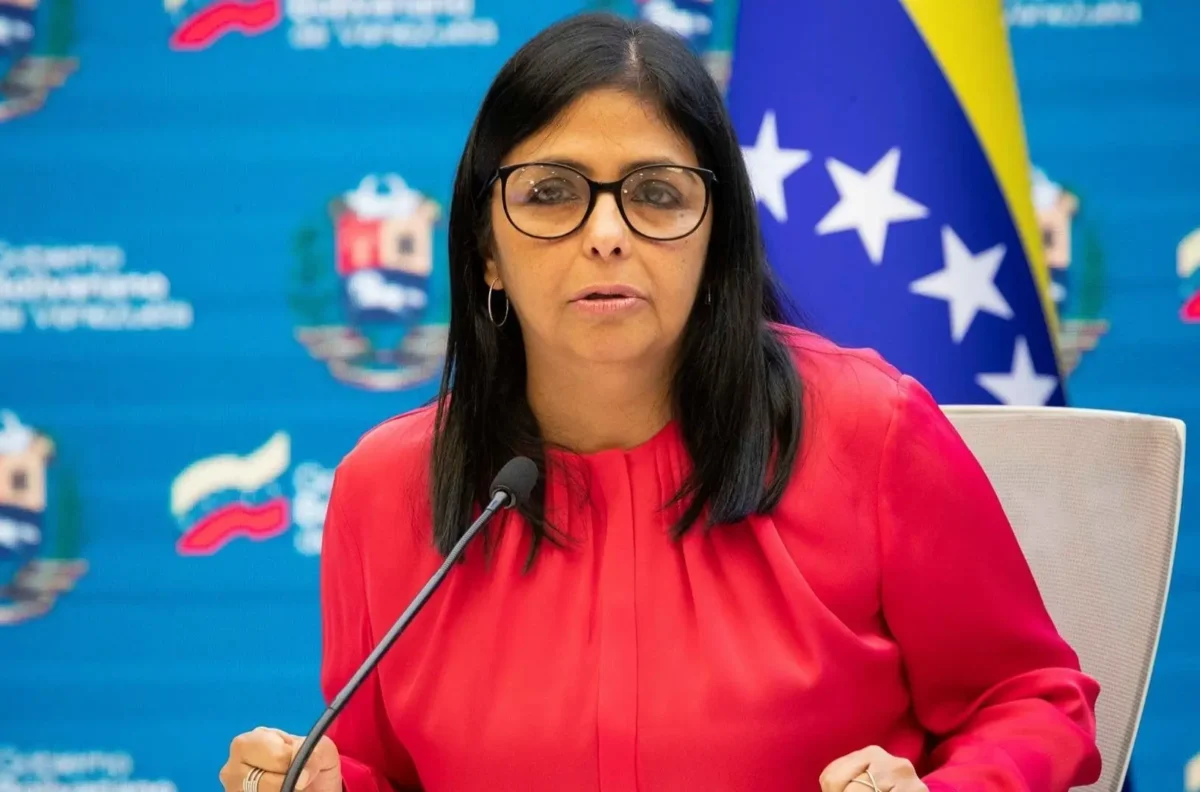
Venezuelan Vice President Delcy Rodríguez speaks in Caracas amid growing uncertainty over the country’s political future. Image Source: X
Venezuela is preparing to reveal a staggering $240 billion national debt, a figure significantly higher than previous market estimates and one that could trigger the largest sovereign debt restructuring in history.
The planned restructuring comes as the country’s interim administration attempts to repair years of economic collapse, sovereign default and financial isolation. Officials hope the ambitious debt overhaul will restore investor confidence and pave the way for Venezuela’s return to international capital markets after nearly a decade of exclusion.
Venezuela’s Debt Far Exceeds Previous Estimates
For years, analysts estimated Venezuela’s total obligations at between $150 billion and $200 billion. However, government advisers are now expected to officially acknowledge liabilities approaching $240 billion, dramatically increasing the scale of the country’s financial challenge.
The debt includes multiple layers of obligations accumulated over several administrations, including sovereign bonds, liabilities tied to state-owned oil giant PDVSA, unpaid commercial claims, arbitration awards and outstanding loans from foreign governments such as China and Russia.
If confirmed, the restructuring would surpass Greece’s 2012 sovereign debt restructuring, previously regarded as the largest in modern financial history.
Government Targets Return to International Financial Markets
The restructuring effort follows major political changes in Venezuela and is being coordinated by interim President Delcy Rodríguez, whose administration has made debt normalization a central economic priority.
Officials reportedly aim to negotiate with creditors before the end of 2026, hoping that resolving outstanding obligations will reopen access to international financing and encourage foreign investment.
To support the process, the government has retained Centerview Partners, a U.S.-based financial advisory firm, to develop a comprehensive debt sustainability framework expected to be presented in early July.
Why Venezuela’s Economy Faces an Uphill Battle
Even with a restructuring plan in place, Venezuela’s economic fundamentals remain fragile.
According to reports, the government’s forthcoming macroeconomic framework estimates that the country’s economy has shrunk to roughly $100 billion, a dramatic decline from approximately $370 billion in 2012.
That leaves Venezuela with a debt-to-GDP ratio exceeding 200%, one of the highest levels recorded globally and a major concern for investors assessing the country’s repayment capacity.
Years of economic contraction, sanctions, declining oil production and prolonged default have severely weakened public finances, making negotiations with creditors particularly complex.
IMF’s Limited Role Raises Questions
One of the most closely watched aspects of the restructuring is the absence of a formal International Monetary Fund (IMF) debt sustainability analysis.
Traditionally, the IMF plays a key role in sovereign debt restructurings by providing independent assessments that help guide negotiations between governments and creditors.
While the IMF has resumed technical discussions with Venezuelan officials after years of limited engagement, it is not formally leading the restructuring process, an unusual approach that has prompted concern among some analysts and opposition figures.
Critics argue that without IMF backing, creditors may demand stricter terms or additional safeguards before agreeing to a deal.
READ ALSO
Oil Industry Remains Central to Recovery
Venezuela’s vast oil reserves continue to be viewed as the country’s strongest long-term economic asset.
However, oil revenues remain well below historical levels despite modest improvements. Investors believe any successful restructuring will depend heavily on increasing crude production, attracting investment into the energy sector and restoring confidence in state oil company PDVSA.
Analysts say oil income will ultimately determine whether Venezuela can sustain future debt repayments while rebuilding its economy.
Creditors Expect Lengthy Negotiations
Although the government hopes to reach agreements quickly, many financial experts believe negotiations could stretch well into 2027.
The sheer number of creditors, including bondholders, international companies, arbitration claimants and foreign governments, makes the restructuring exceptionally complicated.
According to the Financial Times, some observers expect significant debt write-downs, while others anticipate lengthy legal negotiations before a comprehensive agreement can be finalized.
A Defining Moment for Venezuela’s Financial Future
The coming months are expected to shape Venezuela’s economic trajectory for years to come.
If negotiations succeed, the restructuring could help stabilize public finances, restore access to global capital markets and encourage much-needed investment. Failure, however, could prolong financial isolation and delay economic recovery.
With an estimated $240 billion in liabilities, Venezuela now faces one of the most significant sovereign debt challenges ever attempted, making the outcome closely watched by investors, governments and financial institutions worldwide.
FAQ
What is Venezuela’s total debt in 2026?
Venezuela is expected to officially acknowledge approximately $240 billion in total liabilities, making it one of the largest sovereign debt burdens ever disclosed.
Why is Venezuela restructuring its debt?
The government aims to restore financial stability, regain access to international capital markets and negotiate new repayment terms with creditors after years of default.
Why is Venezuela’s debt so large?
The debt consists of sovereign bonds, PDVSA obligations, unpaid interest, commercial claims, arbitration awards and loans from countries including China and Russia accumulated over many years.
What makes this debt restructuring historic?
If completed, it would become the largest sovereign debt restructuring ever undertaken, surpassing Greece’s landmark restructuring in 2012.
Has Venezuela defaulted on its debt?
Yes. Venezuela stopped making payments on much of its external debt in 2017, leading to years of default and legal disputes with creditors.
Is the IMF involved in Venezuela’s restructuring?
The IMF has resumed technical discussions with Venezuela but is not formally directing the debt sustainability assessment or restructuring process.
Who is advising Venezuela on the restructuring?
The government has hired Centerview Partners, a U.S.-based financial advisory firm, to help prepare its restructuring strategy.
How important is Venezuela’s oil industry to the restructuring?
Oil remains Venezuela’s primary source of foreign income. Future oil production and export revenues will be critical to any long-term debt repayment plan.
When could the restructuring be completed?
Officials hope to make substantial progress by the end of 2026, although many analysts expect negotiations to continue into 2027 due to the complexity of the case.
How could the restructuring affect global markets?
A successful agreement could restore investor confidence in Venezuela, reopen international financing opportunities and become a landmark case in future sovereign debt negotiations worldwide.