

US Court ruling on migrant detention: What it means for bond hearings and immigration rights


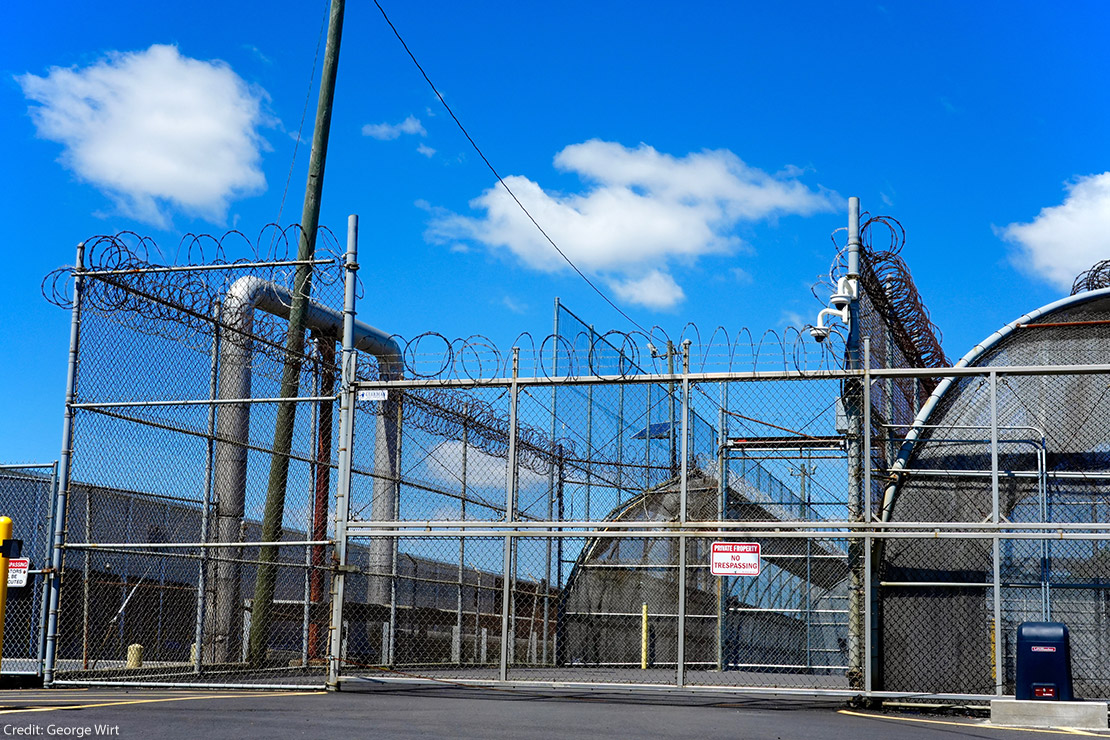
Detainees stand behind a fence at the Bluebonnet Detention Facility, where Venezuelans at the center of a Supreme Court ruling on deportation are held, in Anson, Texas, April 22. Credit: REUTERS/Daniel Cole
A major US appeals court ruling could make it harder for detained immigrants to secure release while their immigration cases proceed, intensifying a legal battle over the Trump administration’s detention policies.
The 5th US Circuit Court of Appeals, based in New Orleans, ruled on October 23, 2026, that the US Constitution does not guarantee detained immigrants the right to bond hearings to argue for their release.
The 10-7 decision applies to Texas, Louisiana and Mississippi, three states within the court’s jurisdiction. It reverses an earlier ruling by a three-judge panel that had found that immigration detainees could not constitutionally be held for more than 90 days without an opportunity to seek release through bond hearings.
The decision comes as the US Supreme Court prepares to consider a related dispute over whether immigration law requires bond hearings for certain detained migrants.
The latest ruling could have significant consequences for people held by US Immigration and Customs Enforcement (ICE), their families and the communities supporting them. It also adds another dimension to the national debate over immigration enforcement, executive power and the legal protections available to non-US citizens.
What Did the US Appeals Court Decide?
In a 10-7 decision, the full 5th Circuit concluded that the Constitution’s Fifth Amendment due process protections do not independently require immigration authorities to provide bond hearings for detained immigrants.
Bond hearings generally provide an opportunity for a person in immigration detention to ask an immigration judge to consider whether they should be released while their case continues, subject to applicable legal requirements.
The court’s decision means detained immigrants cannot rely on the constitutional argument addressed in this case to establish a general right to those hearings within the three-state jurisdiction.
The ruling followed a legal challenge involving two Mexican citizens and one Honduran citizen who contested their detention.
US Circuit Judge Cory Wilson, who was appointed by President Donald Trump, wrote that immigrants seeking freedom from physical restraint could do so by agreeing to leave the United States.
The majority concluded that the Constitution did not require immigration proceedings beyond those provided for by Congress through statute.
The decision does not mean that every immigration detention decision is automatically lawful. Questions about statutory requirements, individual circumstances and other available legal challenges remain subject to applicable law and court decisions.
Which States Are Affected by the Ruling?
The decision applies within the 5th Circuit’s jurisdiction, which covers:
- Texas
- Louisiana
- Mississippi
These states are particularly significant in the immigration detention debate because Texas and Louisiana hold some of the largest numbers of immigration detainees in the United States.
For immigrants detained in these states, the ruling removes the constitutional basis recognised by the earlier three-judge panel for requiring bond hearings in the circumstances considered by that panel.
The decision could also influence how immigration detention cases are argued and decided in lower courts within the circuit.
However, its direct geographic reach is limited to the 5th Circuit. It does not, by itself, establish the same rule nationwide or settle every legal question involving immigration detention.
How Does the Ruling Affect Detained Migrants?
The most immediate consequence is the loss of one legal argument that detainees could use to seek an opportunity for release.
Without a constitutionally required bond hearing under the ruling, some immigrants may have fewer opportunities to ask an immigration judge to consider their release while their cases are pending.
For detainees, remaining in custody can affect employment, family responsibilities, access to legal assistance and the ability to prepare an immigration case.
The ruling may be particularly consequential for people who have family members depending on them or who face lengthy proceedings before their immigration cases are resolved.
Ellie Norton, a lawyer representing the non-US citizens involved in the case through the National Immigration Project, criticised the decision.
She warned that the ruling could allow more people to remain in detention without meaningful opportunities to challenge their continued confinement, with consequences for their families and communities.
The practical impact will depend on the immigration laws applicable to each detainee, the circumstances of their case and any further court decisions.
Why Is the Fifth Amendment at the Centre of the Dispute?
The Fifth Amendment to the US Constitution provides due process protections against the deprivation of life, liberty or property without due process of law.
The legal dispute concerns how those protections apply to immigrants held in civil immigration detention.
The 5th Circuit majority concluded that the Constitution does not independently guarantee the bond hearings sought by the migrants in the case.
The earlier three-judge panel had reached a different conclusion in July, ruling that ICE could not constitutionally detain people for more than 90 days without providing hearings at which they could argue for release on bond.
The full court subsequently agreed to rehear the dispute and overturned that decision.
The disagreement reflects a broader legal question: how far constitutional protections extend to non-US citizens held under immigration laws, and what limits apply to the government’s authority to detain them.
READ ALSO
US Temporary Protected Status: 4 Countries Whose Citizens Can Avoid Deportation
What Role Will the US Supreme Court Play?
The Supreme Court has agreed to consider a related dispute involving whether federal immigration law requires bond hearings for certain detained migrants.
The distinction between the two cases is important.
The 5th Circuit’s October 23 ruling addressed whether the Constitution itself requires bond hearings. The Supreme Court’s pending case concerns whether such hearings are required by statute.
A statutory requirement comes from legislation enacted by Congress, while a constitutional requirement arises from the Constitution.
The Supreme Court’s consideration of the statutory question could help clarify whether the administration’s interpretation of federal immigration law permits mandatory detention without bond hearings in the circumstances before it.
The issues are related, but they are not identical. The Supreme Court’s review of the statutory question does not automatically resolve the separate constitutional question decided by the 5th Circuit.
The eventual outcome could have broader implications for immigration detention practices, depending on the court’s reasoning and the scope of its decision.
Why Did the Ruling Draw Strong Opposition?
The decision exposed a sharp disagreement among the appeals court’s judges over the limits of government detention authority.
Among the dissenting judges was US Circuit Judge Dana Douglas, who was appointed by former President Joe Biden.
Douglas warned that unchecked executive power to arrest and detain people indefinitely carried serious historical dangers.
The dissent reflected concerns about the consequences of allowing the government to hold people without the particular bond-hearing protections sought in the case.
The Department of Homeland Security, meanwhile, welcomed the outcome. James Percival, the department’s general counsel, described the ruling as a major victory for the administration’s mandatory detention policy.
The competing reactions highlight the central conflict surrounding the case: the government’s authority to enforce immigration law versus the legal safeguards available to people held in immigration custody.
Does the Ruling Mean All Migrants Can Be Detained Indefinitely?
Not automatically.
The court ruled that the Constitution does not independently guarantee the bond hearings at issue. It did not establish that immigration authorities can ignore every statutory requirement or that every detention decision is immune from judicial review.
Immigration detention is governed by federal statutes, regulations and applicable court decisions. The legal basis for detention, the individual’s circumstances and the stage of immigration proceedings can affect what options are available.
Other legal challenges may also remain possible, depending on the facts and applicable law.
The Supreme Court’s pending review of the statutory question is particularly important because it could clarify whether federal immigration law requires hearings in circumstances covered by that dispute.
For detained immigrants and their families, the precise legal basis for detention remains critical.
What Happens Next in the US Immigration Detention Debate?
The October 23 decision is another significant development in a wider legal dispute over the Trump administration’s immigration enforcement policies.
As ICE implements the administration’s deportation agenda, lawsuits challenging detention practices have reached courts across the country. Different judicial interpretations have contributed to uncertainty over when detainees can seek bond hearings.
The Supreme Court’s pending case could provide further guidance on the statutory question, while the 5th Circuit’s decision will govern the constitutional issue within its jurisdiction unless altered through further legal proceedings.
For now, detained immigrants in Texas, Louisiana and Mississippi face a more restrictive position on the specific constitutional right to bond hearings considered by the appeals court.
The broader debate over immigration detention will continue to turn on the relationship between federal immigration statutes, constitutional protections and the government’s authority to hold people while their cases are resolved.
Frequently Asked Questions
What is the new US court ruling on migrant detention?
On October 23, 2026, the 5th US Circuit Court of Appeals ruled that the Constitution does not guarantee detained immigrants the right to bond hearings to seek release from immigration custody.
Which states are affected by the migrant detention ruling?
The ruling applies in Texas, Louisiana and Mississippi, which fall under the jurisdiction of the 5th US Circuit Court of Appeals.
What is a bond hearing in immigration court?
A bond hearing is a proceeding in which an immigration judge may consider whether a detained person qualifies for release while immigration proceedings continue, subject to applicable law and eligibility requirements.
Does the ruling mean migrants can no longer request release from detention?
Not necessarily. The decision rejects the constitutional basis for the bond hearings at issue, but other legal options may depend on federal statutes, individual circumstances and applicable court decisions.
Why did the appeals court overturn its earlier ruling?
The full 5th Circuit reheard the case and, in a 10-7 decision, rejected the earlier panel’s conclusion that the Constitution required hearings for the detainees in the circumstances considered.
Is the Supreme Court reviewing the same issue?
The Supreme Court has agreed to consider whether immigration law requires bond hearings for certain detained migrants. That is a statutory question, distinct from the constitutional question decided by the 5th Circuit.
Who benefits from the ruling?
The Trump administration welcomed the decision because it supports its position that the Constitution does not require the bond hearings at issue. The ruling also strengthens that position within the 5th Circuit’s jurisdiction, subject to further legal developments.
Can the ruling affect immigration detention across the United States?
Its direct application is in Texas, Louisiana and Mississippi. Broader effects could depend on future court decisions, including the Supreme Court’s resolution of the related statutory dispute.