

UK ILR Rules: Who Faces a 10-Year Wait and Who Keeps Five Years?


Shabana Mahmood © House of Commons. Licensed under CC BY 3.0.
The Home Office has announced a new “earned settlement” model that would lengthen the standard route to indefinite leave to remain from five years to ten. Some care workers, public-service professionals and higher earners could keep faster routes, while four common conditions would apply to everyone seeking settlement.

The UK ILR rules announced on 2 November would put most migrants on a ten-year route to settlement, with shorter pathways for selected workers and applicants who meet higher contribution thresholds. Home Secretary Shabana Mahmood presented the policy to Parliament after a public consultation, but detailed Immigration Rules will determine when the model takes effect and how each route works. Migrants should treat the announcement as a policy change in development and check the rules in force when they apply.
What the UK ILR rules would change
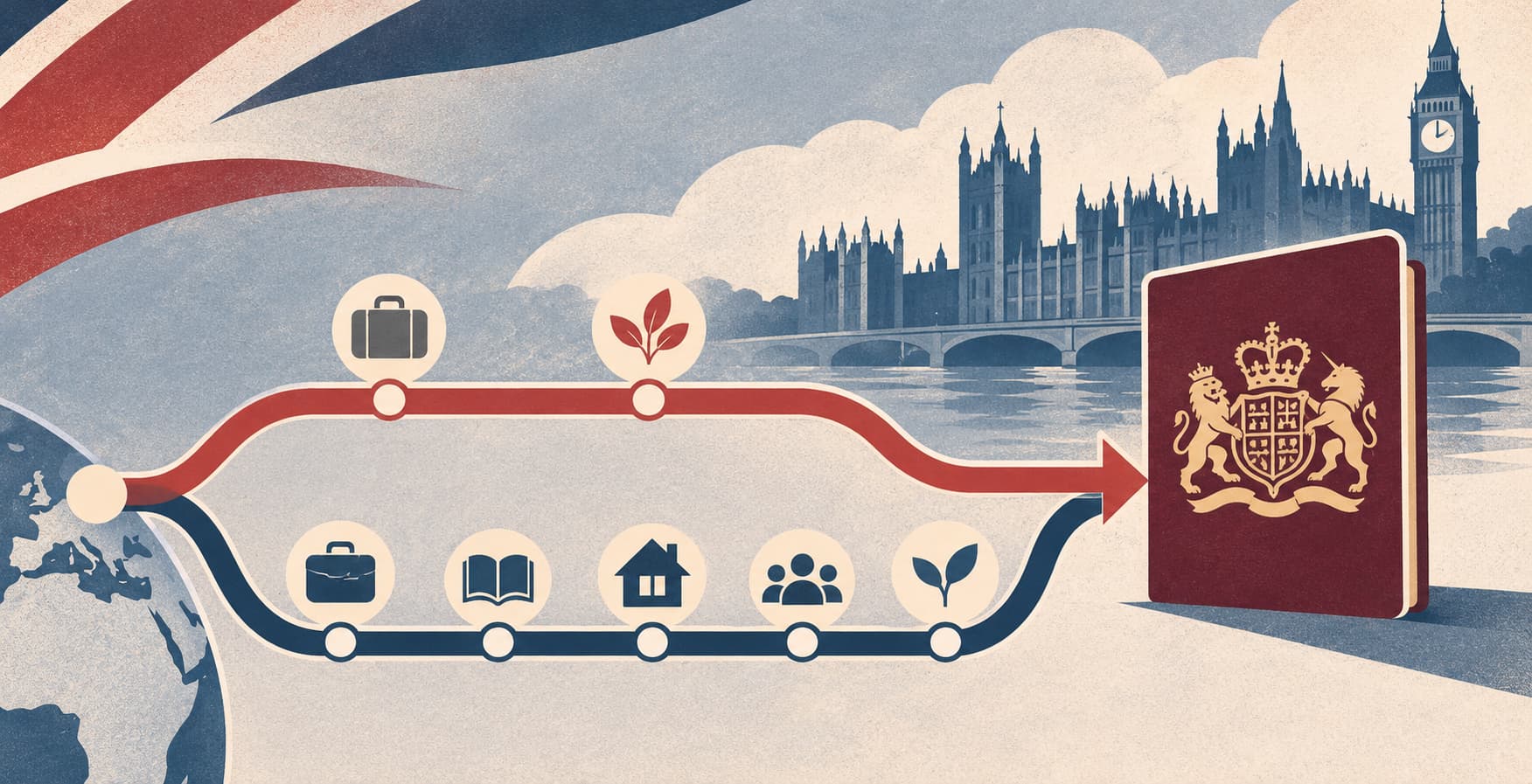
Indefinite leave to remain (ILR) allows a person to live in Britain permanently. The Home Office announcement sets ten years as the new standard qualifying period. Applicants earning above £50,271 and some doctors, nurses and teachers could qualify after five years. The highest earners and people on certain talent routes could apply after three years.
Before applying, everyone would need to meet four conditions: a clean criminal record, spoken English to a high standard, settled taxpayer debts and a sustained record of National Insurance contributions. In the Commons statement, Mahmood specified three years of National Insurance contributions. An immigration breach could extend the qualifying period to at least 20 years. Applicants who claimed benefits would need five continuous years without relying on them before applying.
The Associated Press reported that the settlement change could affect migrants’ route to permanent residence, with implications for work, study and access to public services. The Home Office says settlement decisions will use the rules in force at the point of application, so people already living in Britain could be affected after implementation.
Who could keep a five-year route?
Some care workers could remain eligible after five years if they met their visa conditions and earned at least £25,000 a year in social care. The transitional arrangement covers workers who joined the route before the government’s immigration White Paper in May 2025.
A similar arrangement would cover selected healthcare and education workers identified by the Migration Advisory Committee. Hong Kong British Nationals (Overseas), armed forces members, people with a British connection and applicants on legacy routes such as Windrush would keep their current pathways, according to the Home Secretary’s statement.
Refugees would follow separate routes. People arriving through approved safe and legal routes could settle after five years. The announced standard for other refugees is 20 years, with reductions for work or study; people who entered clandestinely could face another ten years. The Guardian’s live coverage recorded concerns from the Coram Children’s Legal Centre about the proposals’ effect on children and young people.
What should migrants do now?
People approaching an ILR application should follow the current guidance for their visa category and review it again before submitting. Keep payslips, employment contracts, National Insurance records, English qualifications and documents showing that visa conditions were met. Care workers should retain evidence of annual earnings and their employer’s sponsorship history.
The Home Office has said people can renew temporary visas while working towards settlement under the new model. A full impact assessment will be published during implementation, and the detailed rules will set out any transition arrangements. Anyone facing an imminent application should seek advice from a regulated immigration adviser, because the relevant requirements depend on the route and date of application.
Frequently asked questions
When will the new UK ILR rules take effect?
The Home Office announced the policy on 2 November 2026. The implementation date depends on future Immigration Rules, so applicants should continue to use current official guidance until those rules change.
Will all migrants need ten years before applying?
The standard route would be ten years, while some higher earners, public-service workers and qualifying care workers could retain three-year or five-year pathways.
Could the changes affect people who already live in the UK?
Yes. The government says settlement criteria are applied when a person applies, which means current visa holders could be affected once the new rules take effect.
What evidence should care workers keep?
Keep visa and employment records, payslips and evidence of annual social-care earnings. These documents could help establish whether the announced five-year transitional route applies.
Where can applicants check their current requirements?
Use the Home Office guidance for your visa category and check it again before applying. A regulated immigration adviser can explain how the rules apply to an individual case.