

Trump signs order making 8,000 Federal workers easier to fire, sparking fears of civil service overhaul

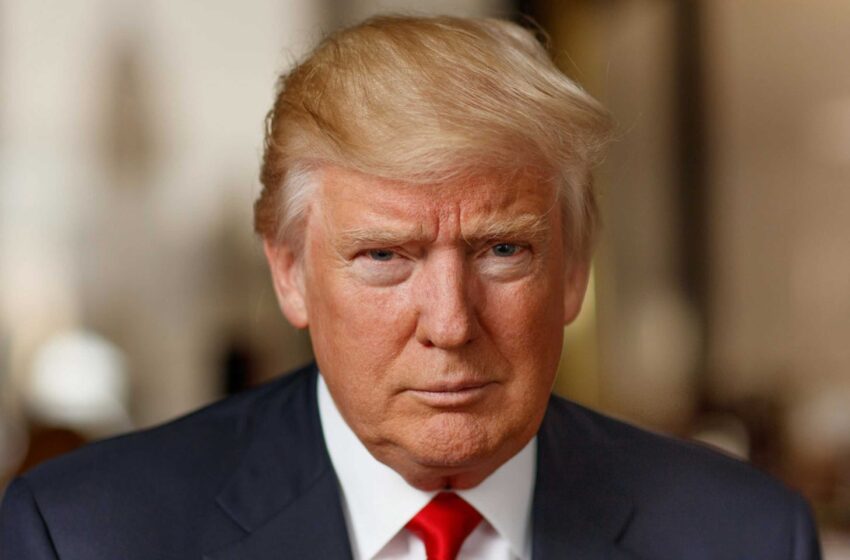
Donald Trump. Picture: David Hume Kennerly/Getty Images
President Donald Trump has signed a sweeping executive order that removes longstanding job protections for approximately 8,000 senior federal workers, marking one of the most significant changes to the U.S. civil service system in decades.
The order formally establishes Schedule Policy/Career, a new federal employment classification that makes it easier for agencies to dismiss certain career government employees. The move fulfilled a major Trump administration objective aimed at increasing accountability within the federal workforce, while critics argue it could inject politics into traditionally nonpartisan government positions.
The policy, which revives and expands a controversial initiative known as Schedule F from Trump’s first term, immediately affects thousands of senior federal officials involved in policymaking, budgeting, regulation, and agency leadership.
What Is Schedule Policy/Career?
The newly created Schedule Policy/Career classification applies primarily to senior-level career employees whose responsibilities involve policy development, implementation, and strategic decision-making.
According to administration officials, approximately 97% of the affected positions are GS-15 employees or higher, while a smaller number of GS-13 and GS-14 employees will also be included.
Positions targeted under the new classification include:
- Senior policy advisers
- Agency division leaders
- Chiefs of staff
- Senior program managers
- High-level government attorneys
- Chief information officers and other executive officials
- Senior budget and grant management personnel
- Public affairs and legislative affairs leaders
Federal agencies now have seven days to update personnel records and implement the changes required by the executive order.
Trump Administration Says Move Improves Accountability
The White House and the Office of Personnel Management (OPM) argue that the change is necessary to improve government efficiency and ensure federal employees carry out the policies of elected leaders.
OPM Director Scott Kupor said the initiative is intended to restore accountability and make it easier to address situations where employees refuse to implement lawful directives from the administration.
Administration officials contend that current civil service protections make it excessively difficult to remove poor performers or employees who resist policy priorities.
Supporters of the policy argue that voters elect presidents to implement specific agendas and that senior government officials should be accountable for executing those policies effectively.
Critics Warn of Politicization of the Civil Service
The executive order has triggered strong opposition from federal employee unions, government watchdog groups, and former public officials.
Critics argue that removing civil service protections could undermine the independence of career government employees and create pressure for workers to demonstrate political loyalty rather than professional expertise.
The American Federation of Government Employees (AFGE) condemned the move, warning that federal workers may become reluctant to report waste, fraud, abuse, or misconduct if they fear retaliation.
Opponents also argue that the federal civil service system was designed specifically to protect government operations from political interference and ensure continuity across administrations.
Many employee advocacy groups believe the order could weaken merit-based hiring and dismissal standards that have existed for generations.
READ ALSO
Federal Employees Lose Key Workplace Protections
One of the most controversial aspects of the new classification is the loss of several employment safeguards previously available to career civil servants.
Employees moved into Schedule Policy/Career will generally:
- Lose traditional civil service protections
- Face easier termination procedures
- Have limited appeal rights after disciplinary actions
- Be unable to challenge their reclassification
- Lose access to some recruitment and retention incentives
- Potentially lose eligibility for student loan repayment assistance programs
At the same time, agencies may create new bonus structures and performance-based awards for workers within the classification.
The administration argues that these changes create a more responsive and performance-driven workforce.
Why the Number Is Lower Than Earlier Estimates
Earlier projections suggested that as many as 50,000 to 200,000 federal employees could eventually be impacted by the policy.
However, the administration’s final implementation currently affects about 8,000 positions, significantly narrowing the scope compared to initial expectations.
Officials emphasized that the current list focuses on a relatively small group of senior positions where policy influence is greatest.
Nevertheless, experts note that future administrations could expand the classification to include additional positions.
Legal Challenges Already Underway
The executive order is already facing legal scrutiny.
Several organizations have filed lawsuits challenging Schedule Policy/Career, arguing that the policy exceeds presidential authority, violates due process rights, and conflicts with federal civil service laws.
Advocacy groups claim the move threatens the independence of the federal workforce and could damage the government’s ability to retain experienced professionals.
Legal experts expect the courts to play a significant role in determining whether the policy survives long-term.
What Happens Next?
Federal agencies are now moving rapidly to implement the new classification. Affected employees will soon receive updated personnel designations, while lawsuits challenging the order continue to progress through the courts.
The debate over Schedule Policy/Career is likely to remain a major issue in Washington as supporters praise it as a modernization effort and critics characterize it as an unprecedented restructuring of the federal workforce.
With thousands of senior officials now facing at-will employment status, the policy represents a defining moment in the ongoing battle over the future of the American civil service system.
FAQ
What is Schedule Policy/Career?
Schedule Policy/Career is a new federal employment classification created by President Donald Trump that places certain senior federal employees into a category with fewer civil service protections and greater accountability to agency leadership.
How many federal workers are affected?
Approximately 8,000 federal employees are currently being moved into Schedule Policy/Career. Most are senior-level officials at the GS-15 grade or higher.
Is Schedule Policy/Career the same as Schedule F?
Yes. Schedule Policy/Career is the Trump administration’s updated version of Schedule F, a policy first introduced during Trump’s first term before being rescinded by the Biden administration.
Can federal workers now be fired more easily?
Yes. Employees classified under Schedule Policy/Career can generally be removed more easily than traditional civil servants and have fewer protections against dismissal.
Why did Trump create Schedule Policy/Career?
The administration says the policy improves accountability, strengthens workforce performance, and ensures federal employees properly implement the agenda of elected leaders.
Which federal positions are affected?
Affected roles include senior policy advisers, agency executives, chiefs of staff, senior attorneys, program managers, budget officials, and leaders involved in policymaking.
Will affected employees lose appeal rights?
Many employees moved into Schedule Policy/Career will lose certain rights to appeal disciplinary actions through traditional civil service channels such as the Merit Systems Protection Board.
Why are unions opposing the policy?
Federal unions argue that the policy weakens employee protections, discourages whistleblowing, and risks turning a nonpartisan civil service into a politically influenced workforce.
Is Schedule Policy/Career being challenged in court?
Yes. Several lawsuits have already been filed claiming the policy exceeds presidential authority, violates due process protections, and conflicts with federal law.
Could more federal employees be added later?
Potentially. Administration officials say only 8,000 positions are included for now, but future expansions remain possible at presidential discretion.
How does this affect the federal workforce?
Supporters say the policy increases efficiency and accountability, while critics warn it may reduce institutional expertise, increase turnover, and politicize government operations.
When does the policy take effect?
The executive order took effect immediately upon signing, and agencies have been instructed to update personnel records within seven days.