

Trump just changed course on AI: New Executive order targets OpenAI and Anthropic as safety fears grow

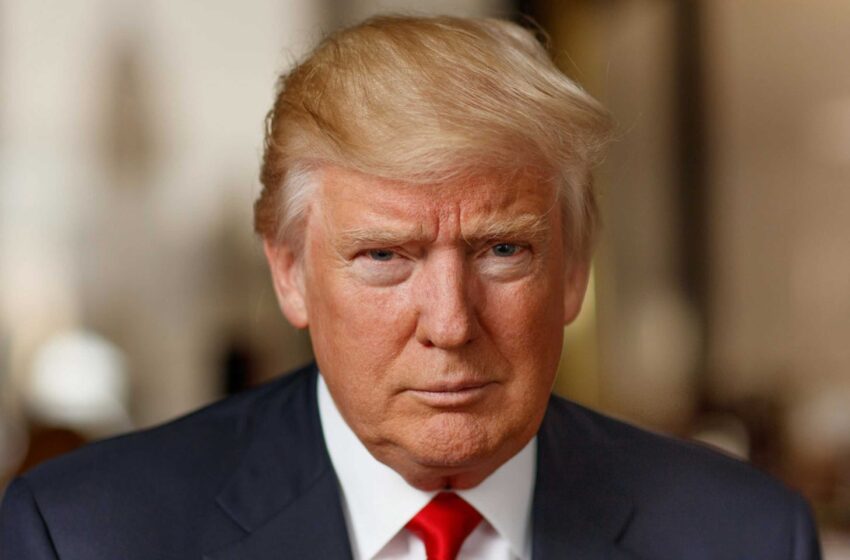
Donald Trump. Picture: David Hume Kennerly/Getty Images
President Donald Trump has signed a new executive order aimed at increasing government oversight of advanced artificial intelligence systems, marking a significant shift in the administration’s approach to one of the world’s fastest-growing technologies.
The order creates a framework that encourages leading AI companies such as OpenAI and Anthropic to voluntarily share upcoming AI models with the federal government for safety testing before public release. The move comes after months of uncertainty surrounding the White House’s AI strategy and growing concerns over cybersecurity, national security, and the rapid advancement of powerful AI systems.
While supporters describe the measure as a practical step toward responsible AI development, critics argue that the executive order lacks meaningful enforcement mechanisms and largely formalizes practices already taking place between government agencies and major technology firms.
What Trump’s New AI Executive Order Does
Under the newly signed executive order, leading artificial intelligence companies will be encouraged to submit advanced AI models to government experts for safety evaluations up to one month before wider public deployment.
The order also calls for closer collaboration between AI developers and federal, state, and local governments to strengthen cybersecurity defenses.
According to the White House, the policy seeks to strike a balance between maintaining America’s leadership in artificial intelligence and ensuring that increasingly powerful AI technologies do not create unintended risks.
Administration officials have described the initiative as a “common-sense approach” that promotes innovation while addressing emerging security concerns.
Why the Executive Order Is Generating Debate
The announcement has sparked debate across the technology industry and policy circles.
Many experts note that major AI companies already participate in voluntary safety testing arrangements with government agencies. As a result, critics argue that the executive order does not introduce substantial new requirements.
Some analysts have characterized the policy as largely symbolic, suggesting it gives the appearance of stronger regulation without imposing mandatory oversight or penalties.
Others believe the order is significant because it represents the Trump administration’s first major step toward formal AI governance after previously emphasizing deregulation and rapid technological growth.
The executive order arrives amid growing public concern about AI’s potential impact on employment, cybersecurity, misinformation, and the concentration of power among a handful of technology companies.
Trump Administration’s Evolving Position on AI Regulation
The executive order highlights what many observers see as an evolving and sometimes contradictory approach to AI policy.
Earlier in his second term, President Trump rolled back several AI-related initiatives introduced during the Biden administration, arguing that excessive regulation could slow innovation and weaken America’s competitive advantage against China.
However, the newly announced framework includes several concepts similar to previous federal AI policies, including voluntary information sharing and cooperation between AI companies and government agencies.
The shift underscores increasing pressure on policymakers to address the rapid development of advanced AI systems while preserving U.S. leadership in the global AI race.
READ ALSO
Anthropic stock shock: Trump bans AI firm from Federal use as OpenAI secures Pentagon deal
OpenAI, Anthropic and the Growing Influence of AI Companies
The executive order places some of the world’s most influential AI developers at the center of federal policy discussions.
Companies such as OpenAI and Anthropic have become major players in artificial intelligence, developing increasingly sophisticated models capable of advanced reasoning, coding, research assistance, and cybersecurity-related tasks.
Recent advancements have intensified concerns among policymakers, who worry that future AI systems could possess capabilities that outpace existing regulatory frameworks.
As AI becomes more deeply integrated into government operations, national security planning, and critical infrastructure, calls for stronger oversight have continued to grow.
AI, Cybersecurity and National Security Concerns
One of the primary motivations behind the executive order is the growing intersection between artificial intelligence and cybersecurity.
Government officials have expressed concerns that advanced AI models could potentially be used for cyberattacks, digital espionage, or other malicious activities if safeguards are not implemented.
The executive order encourages AI developers to work alongside government agencies to identify vulnerabilities and improve cyber defenses.
Supporters argue that collaboration between public institutions and private technology firms is essential as AI systems become increasingly powerful and accessible.
Can the Executive Order Truly Regulate AI?
A key question emerging from the announcement is whether voluntary cooperation will be sufficient to address future AI risks.
The executive order does not establish mandatory government approval before AI systems are released, nor does it create legally binding restrictions on development.
As a result, some experts argue that the measure falls short of comprehensive AI regulation.
Nevertheless, supporters contend that creating a formal process for safety evaluations and government engagement represents an important first step toward broader AI governance.
With AI investment accelerating, public concern rising, and geopolitical competition intensifying, the debate over how governments should regulate artificial intelligence is likely to remain a defining technology policy issue for years to come.
Looking Ahead
The new executive order signals that artificial intelligence has become a major policy priority for the White House.
Whether the measure ultimately improves AI safety or simply formalizes existing practises remains a subject of debate. What is clear, however, is that the conversation around AI regulation, national security, and technological leadership is entering a new phase.
As OpenAI, Anthropic, and other industry leaders continue developing increasingly powerful AI systems, pressure on governments worldwide to establish effective oversight mechanisms is expected to grow.
FAQ
What is Trump’s new AI Executive Order?
The executive order establishes a voluntary framework under which leading AI companies can share advanced AI models with the U.S. government for safety testing before public release.
Why did Trump sign an AI Executive Order?
The administration says the goal is to balance innovation with security by improving cooperation between government agencies and AI developers while maintaining U.S. leadership in artificial intelligence.
Which AI companies are affected?
The order primarily targets major AI developers such as OpenAI, Anthropic, and other companies creating advanced frontier AI models.
Does the executive order require mandatory AI approval?
No. The safety testing process is voluntary and does not require companies to obtain government approval before launching AI systems.
What is AI safety testing?
AI safety testing involves evaluating models for risks such as cybersecurity threats, misuse potential, harmful outputs, and other vulnerabilities before public deployment.
How does the executive order affect OpenAI?
OpenAI may voluntarily participate in government-led safety evaluations and collaborate on cybersecurity initiatives under the framework outlined in the order.
How does the executive order affect Anthropic?
Anthropic is expected to be among the companies participating in safety discussions and model evaluations, particularly given its growing influence in advanced AI development.
Is this the first Trump AI policy?
No. The Trump administration previously rolled back some AI-related policies but has increasingly engaged with AI governance as concerns about the technology have expanded.
Why are AI companies facing more scrutiny?
Rapid advances in AI capabilities have raised concerns about cybersecurity, misinformation, job displacement, national security, and concentration of technological power.
Will this executive order regulate AI companies?
The order introduces oversight mechanisms but stops short of comprehensive regulation because participation remains voluntary.
How does AI affect national security?
Advanced AI systems can assist with cybersecurity, intelligence analysis, and defense operations, but they may also create new risks if misused by malicious actors.
Is the United States competing with China in AI?
Yes. AI leadership has become a major geopolitical issue, with U.S. policymakers frequently citing competition with China as a reason to accelerate AI innovation.
Could stricter AI regulations come later?
Many experts believe this executive order could serve as a foundation for future AI legislation or more comprehensive regulatory frameworks.
What does the executive order mean for everyday people?
The immediate impact is limited, but the order reflects growing government efforts to address AI safety, cybersecurity, and the societal effects of increasingly powerful AI systems.
Why is AI regulation becoming such a major issue?
As AI becomes more capable and influential across industries, governments, businesses, and the public are seeking safeguards to ensure innovation develops responsibly and securely.