

Tinubu’s Independence Day speech: 7 major promises Nigerians should watch

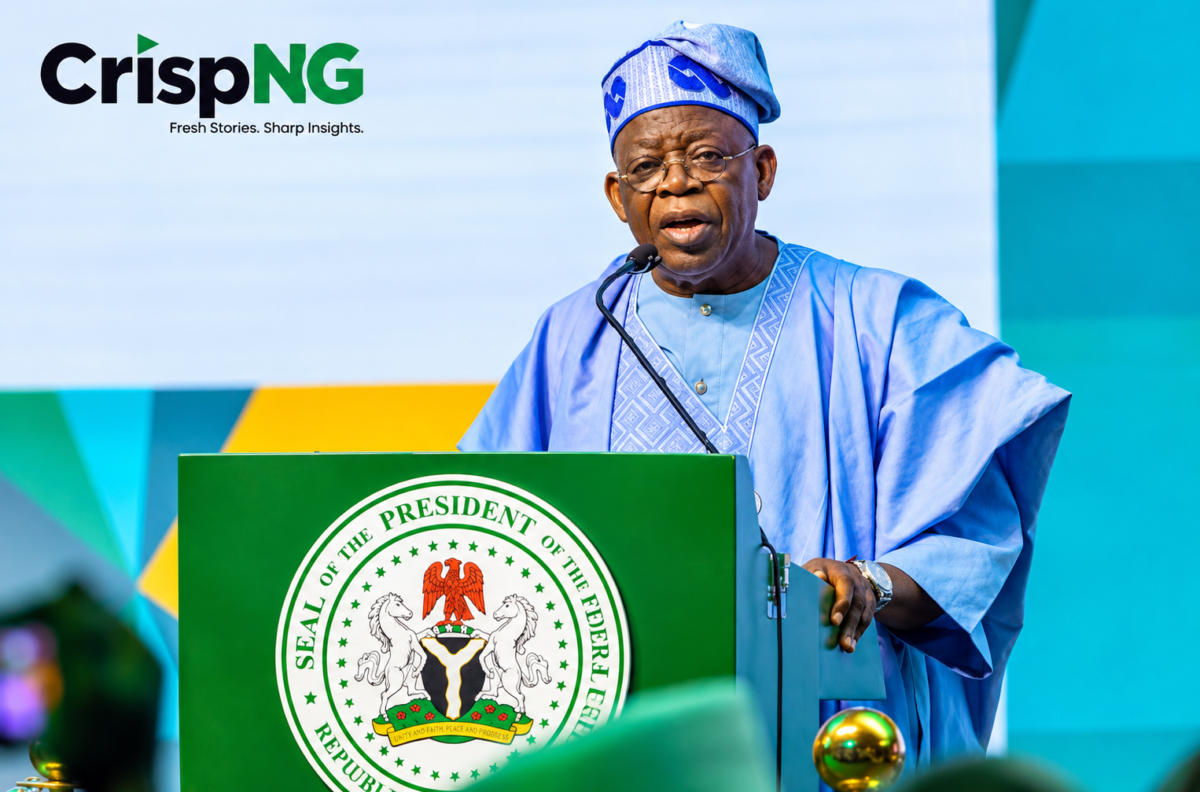
President Bola Ahmed Tinubu has outlined seven major areas his administration plans to focus on as Nigeria moves into what he described as an “age of prosperity.”
Tinubu made the promises on Thursday, October 1, 2026, during his Independence Day broadcast to Nigerians as the country marked its 66th anniversary.
The President said the difficult phase of his administration’s economic reforms had passed and that the government must now focus on turning the reforms into better living conditions.
His address touched on the cost of living, food production, jobs, infrastructure, industrial growth, education and support for vulnerable Nigerians.
Here are seven major promises and priorities Nigerians should watch.
1. Lower cost of living
Reducing the cost of living was one of the biggest priorities in Tinubu’s speech.
The President said the government would focus on lowering the cost of producing and transporting goods and services.
Rather than returning to the previous petrol subsidy system, Tinubu said the government would address the factors that make production and distribution expensive.
He linked the plan to investments in agriculture, transportation, infrastructure and energy.
The President acknowledged that many Nigerians still struggle with the cost of food, transportation, healthcare and other basic needs.
He said the next phase of his administration must ensure that economic improvements translate into relief for households.
2. More food production and mechanised farming
Tinubu also promised greater attention to food production.
He said Nigeria has the land and human resources needed to feed its population but must improve the way food is produced, stored and transported.
The President mentioned mechanisation, irrigation, improved inputs and storage facilities as part of the strategy.
He also linked better agricultural production to lower food prices.
According to Tinubu, increasing production will not be enough if farmers cannot move their products efficiently from farms to consumers.
The government therefore plans to connect agricultural production with better transportation and market access.
3. More jobs and industrial opportunities
Job creation featured prominently in Tinubu’s vision for the next phase of his administration.
The President said Nigeria needs to create millions of productive opportunities for its growing population, particularly young people.
He also spoke about expanding industrial production and supporting businesses that can create employment.
Tinubu said Nigeria would make greater use of its natural resources, including gas, to support industrial development.
He also highlighted digital connectivity and skills development as areas that could create new opportunities for Nigerians.
The goal, according to the President, is to move beyond economic growth figures and create an economy where more Nigerians can earn productive incomes.
4. Better roads, railways and other infrastructure
Tinubu identified infrastructure as another major part of his administration’s economic plan.
He said roads, railways and ports must support the movement of people and goods across the country.
Better infrastructure, according to the President, would help farmers reach markets, allow manufacturers to move products and reduce some of the costs businesses face.
The government also plans to expand infrastructure that supports agriculture and industrial production.
Tinubu presented infrastructure investment as part of the broader shift from economic reforms towards production and growth.
The Federal Government had also said ahead of Independence Day that the next phase of its economic programme would focus on infrastructure, agriculture, energy, digital skills and enterprise.
5. More support for education and young Nigerians
Education also featured in Tinubu’s Independence Day message.
The President highlighted the Nigerian Education Loan Fund as one of the programmes intended to help students from low-income families access higher education.
He said a child should not have to abandon the dream of higher education simply because the family cannot afford the cost.
Tinubu also linked education with skills development and employment.
Beyond university education, the administration wants young Nigerians to acquire skills that can help them participate in the changing economy.
The President presented these programmes as part of a wider effort to expand opportunities rather than simply provide temporary relief.
6. Wider access to credit and support for businesses
Tinubu also pointed to access to credit as another way his administration plans to expand economic opportunities.
He highlighted CREDICORP, which he said is providing consumer credit to working Nigerians seeking to acquire assets such as vehicles, solar systems and digital devices.
The President also spoke about supporting businesses and expanding access to opportunities that can help Nigerians participate in production.
His broader argument was that Nigerians should be able to build wealth and acquire productive assets without having to save for years before they can afford them.
This approach forms part of the administration’s stated shift towards an economy driven by production, enterprise and investment.
7. Continued support for poorer and vulnerable Nigerians
Although Tinubu declared that the government was moving into an “age of prosperity”, he acknowledged that many Nigerians still need direct assistance.
He said the government would continue strengthening social interventions for vulnerable citizens.
The President also mentioned primary healthcare, basic education and other public services that poorer Nigerians depend on.
He said social programmes should serve as a bridge towards prosperity rather than become a permanent substitute for economic opportunity.
Tinubu also pointed to salaries and pensions paid by the government and reforms to the national pension programme.
According to him, the long-term objective is not simply to manage poverty but to reduce it through sustained economic growth and productive opportunities.
What Tinubu said about the reforms
The seven priorities come as Tinubu argues that Nigeria has passed through the most difficult phase of his economic reforms.
Using the biblical story of the Israelites crossing the Red Sea, the President said Nigeria had gone through its own difficult passage and should now look ahead.
He defended the removal of petrol subsidy and other reforms introduced since he assumed office in 2023.
Tinubu said the government would not return to the previous subsidy regime, warning against what he described as calls to reverse the reforms.
He also cited economic growth, moderating inflation, improved foreign reserves and stronger non-oil exports as evidence that the reforms had changed the direction of the economy.
Those figures were presented by the President in his Independence Day address and form part of his administration’s case for the reforms.
What Nigerians should expect next
Tinubu’s Independence Day message sets out a transition from economic stabilisation to what he describes as shared prosperity.
The immediate areas to watch include the cost of food and transportation, agricultural production, infrastructure projects, job creation, access to credit and support for vulnerable households.
The President acknowledged that the challenges facing Nigeria cannot be solved overnight.
He said the government would need sustained economic growth and millions of productive opportunities to deliver the future he described.
Tinubu ended his economic message with a simple instruction to Nigerians: look forward rather than back.
He declared that the “age of reform” had done its work and that the “age of prosperity” had begun.