

Tinubu’s Kaduna Rally Puts 56m Northern Voters in Focus — But the Register Isn’t a Vote Forecast

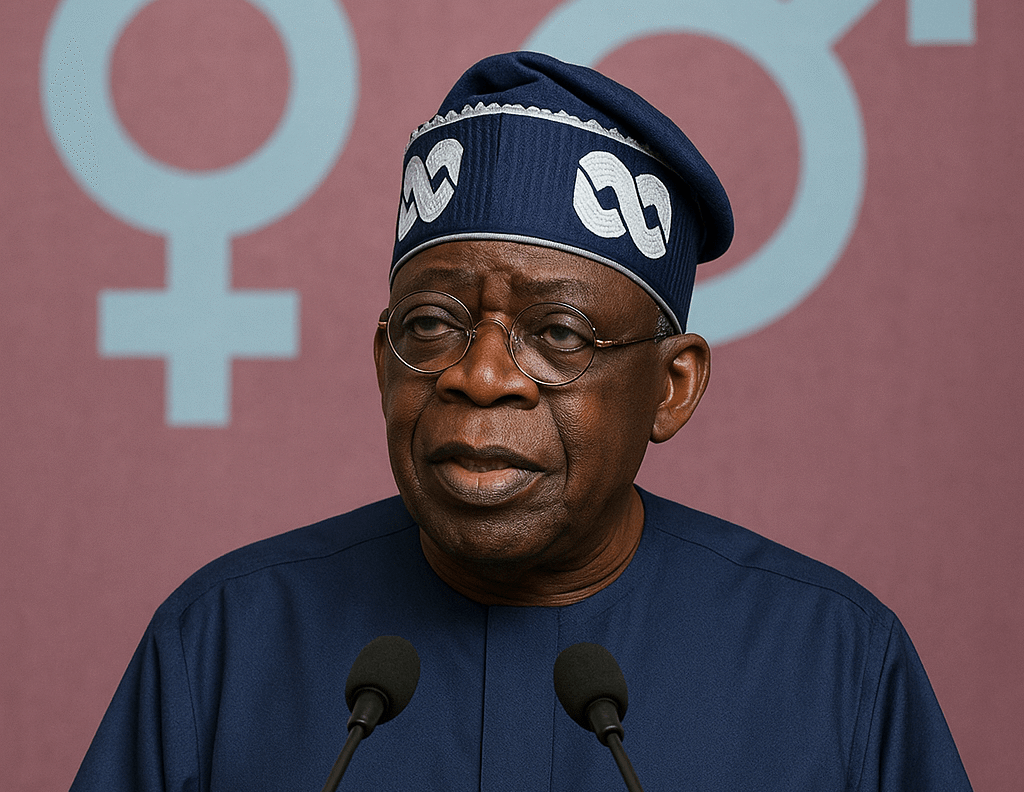
As President Bola Tinubu and All Progressives Congress (APC) leaders prepare for a regional re-election campaign flag-off in Kaduna on Saturday, October 24, one figure is drawing attention: the North’s three geopolitical zones account for 56,014,673 registered voters, about 54.2 per cent of Nigeria’s 103,428,715-person register. The number shows the scale of the electorate the campaign hopes to reach. It cannot tell us how many people will vote or which candidate they will support.
Kaduna State says the event will take place at Kaduna Township Stadium. Its organising committee says access screening and security planning are part of preparations. But a campaign event, a voter register and ballots cast measure three different things.
What the 56 million figure measures
The 56.01 million total combines the North-West, North-East and North-Central zones, using the state-by-state figures reported from INEC’s 2026 register. It is roughly 54 per cent of registered voters nationwide. The new national register has grown by almost 10 million since the 93,469,008 people registered before the 2023 general election.
That growth tells parties where registered voters are located. It does not show their political preferences, whether they can get to polling units, or whether they will turn out. Candidates can use the figures to plan outreach, but treating registration totals as votes would confuse potential participation with actual participation.

Why turnout is a more useful test than crowd size
INEC Chairman Joash Amupitan has pointed to a steady decline in turnout in presidential elections: 53.7 per cent in 2011, 43.6 per cent in 2015, 34.7 per cent in 2019 and 26.7 per cent in 2023. Those are national figures; they should not be presented as the North’s own turnout rate. They do show why the size of the register alone cannot forecast the number of votes a campaign will secure.
The APC has publicly discussed ambitious vote-mobilisation goals, while opposition figures have challenged the party’s prospects. These are political claims and targets, not independently verified forecasts. The stronger test will come from participation and official results, not the size of a rally or the number of names on the register.
What Kaduna’s flag-off can—and cannot—show
The Kaduna event can show how the APC chooses to organise its campaign and which messages it prioritises. The Kaduna State Government’s announcement confirms the venue and describes preparations, including screening for people entering the stadium. It does not establish how many voters will support the APC in January.
INEC’s published timetable sets the presidential and National Assembly election for January 16, 2027. Between now and election day, parties will have to persuade voters across all regions. The central question is not simply whether the North has the largest bloc of registered voters, but whether campaigns can turn political attention into broad, peaceful participation.
For a practical guide to checking registration details before the election, read CrispNG’s guide to Nigeria’s 103 million voter register.
Sources: The Punch’s report on the Kaduna flag-off and INEC voter figures; Kaduna State Government on venue preparations; INEC’s statement on turnout trends; INEC’s election calendar.