
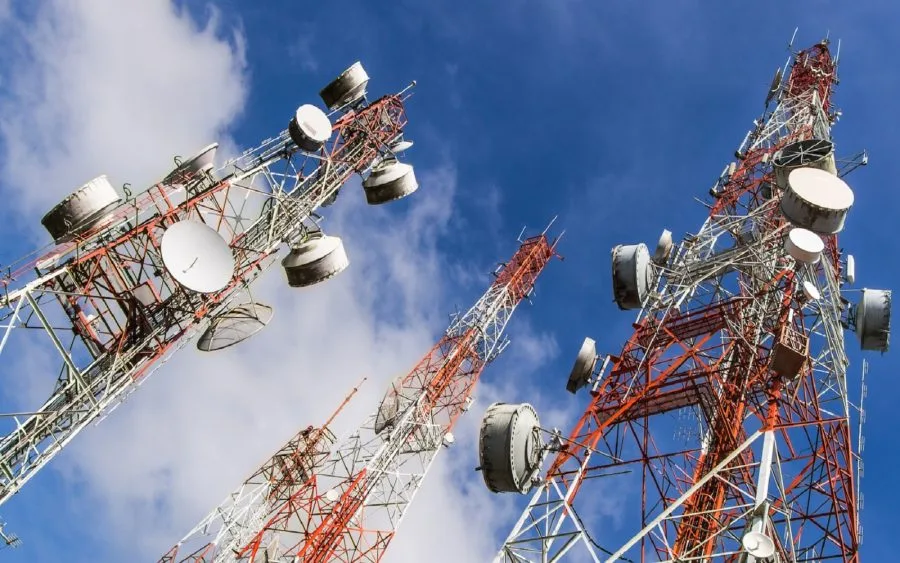
As Nigerians continue to complain about dropped calls, slow internet and failed transactions, major telecommunications operators have taken the House of Representatives to court over its investigation into poor network services.
Nigeria’s major telecommunications operators have challenged the authority of the House of Representatives to investigate the quality of their services, raising fresh questions about who should hold them accountable for persistent network problems.
The operators, including MTN Nigeria, Airtel Networks, Globacom (Glo) and T2 Mobile (formerly 9mobile), filed a suit against the House at the Federal High Court in Abuja on November 4, 2026.
The Association of Licensed Telecommunications Operators of Nigeria (ALTON) also joined the legal action.
The companies are challenging the constitutional powers of lawmakers to investigate their operations and compel their chief executives to appear before a parliamentary committee.
The development comes amid widespread complaints from subscribers who depend on telecommunications services for banking, business transactions, education and everyday communication.
Why MTN, Airtel and Glo are suing the House of Reps
The legal dispute followed an investigation launched by the House Ad Hoc Committee on Telecommunications Service Quality.
On October 29, the committee summoned the chief executives of major telecommunications companies to explain persistent complaints about poor network services.
It also threatened to issue arrest warrants against executives who failed to honour the summons.
However, the operators argue that the House is exceeding its constitutional powers by investigating matters they believe fall within the regulatory responsibilities of the Nigerian Communications Commission (NCC).
In their suit, marked FHC/ABJ/CS/2713/2026, the companies are asking the court to interpret Sections 88 and 89 of the 1999 Constitution.
These provisions define the investigative powers of the National Assembly.
The operators maintain that lawmakers can only conduct investigations for specific constitutional purposes, including making laws and exposing corruption, inefficiency or waste in the administration of laws and public funds.
They argue that privately owned telecommunications companies do not fall within the categories contemplated by those provisions.
The companies are also asking the court to set aside the summonses and prevent lawmakers from using arrest warrants to compel their executives to appear.
According to Punch’s report on the lawsuit, the operators also argue that the investigation could interfere with two pending court cases concerning telecommunications service quality.
Why the NCC is at the centre of the dispute
Another major issue is the division of responsibilities between the National Assembly and the Nigerian Communications Commission.
Under the Nigerian Communications Act 2003 and the Nigerian Communications (Quality of Service) Regulations 2024, the NCC has responsibility for setting, monitoring and enforcing service quality standards in the telecommunications industry.
The operators argue that the commission already has the legal authority to investigate network failures and enforce compliance.
They therefore want the court to determine whether the House can conduct a separate investigation into matters assigned to the regulator.
However, the lawmakers maintain that the NCC’s regulatory responsibilities do not prevent the National Assembly from exercising its constitutional oversight powers.
The House insists that telecommunications companies must answer questions about services that affect millions of Nigerians.
This disagreement has now placed the interpretation of legislative powers before the court.
Millions of subscribers still complain about poor network services
The legal battle comes at a time when network quality remains a major concern for Nigerian telecommunications subscribers.
In October 2026, the NCC disclosed that telecommunications operators had compensated about 75 million subscribers for poor service delivery during the year.
The commission also reported that nearly three million customers received refunds for failed airtime and data transactions.
It further disclosed that it had carried out more than 6,500 network interventions to address service-related problems.
However, these interventions have not ended complaints about dropped calls, slow internet speeds, inadequate coverage and disappearing data subscriptions.
Figures reported by Premium Times showed that the four major operators recorded a combined 413,587 consumer complaints in the first half of 2026.
Although the operators resolved most of the reported complaints, subscribers continue to demand more reliable services.
Who will hold telecom operators accountable?
The court’s eventual decision could clarify the boundaries between legislative oversight and the regulatory powers of the NCC.
If the operators succeed, the ruling could restrict how the House conducts its proposed investigation. However, it would not automatically remove the NCC’s existing regulatory responsibilities.
If lawmakers prevail, the decision could strengthen their ability to demand explanations from telecommunications companies over issues affecting consumers.
For subscribers, however, the bigger concern goes beyond the legal disagreement.
Nigerians pay for calls, data and other telecommunications services. They also depend on these networks for activities that increasingly shape everyday life.
The operators have a right to challenge what they consider unconstitutional investigations. Similarly, lawmakers have a responsibility to address issues affecting the public within the limits of the law.
But while both sides argue over who has the authority to investigate, Nigerian subscribers are still waiting for the one thing that matters most: reliable telecommunications services.