

State Police Bill Clears 24-State Hurdle: What Happens Next?

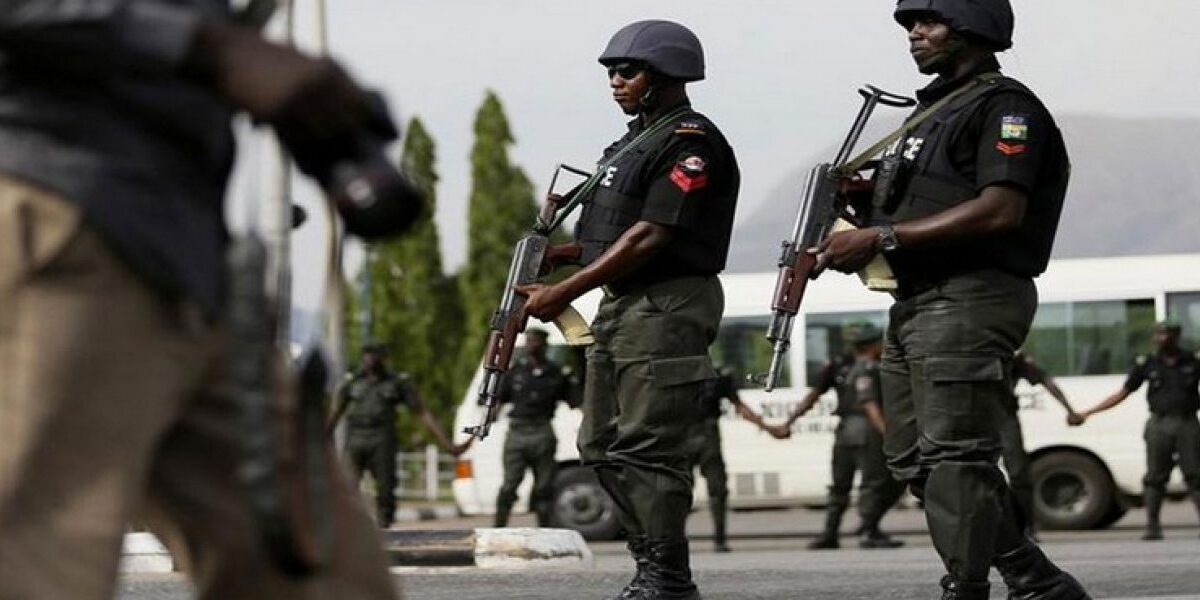
Police rescue kidnap victim after deadly Oyo gun battle
Nigeria’s state-police proposal has cleared the two-thirds approval threshold in the state assemblies, but the vote does not mean state police services are starting immediately. The Presidential Working Group on the National Policing Bill said on October 23, 2026, that 24 of the country’s 36 State Houses of Assembly had approved the constitutional amendment. It said the amendment can now return to the National Assembly for transmission to the President for assent.
The next practical question is what rules would govern any new state services. Those details remain in draft: a separate National Policing Bill and 29 related amendment bills are still undergoing review at the Federal Ministry of Justice, with return to the working group expected by October 30.
What did the 24 state approvals achieve?
Section 9(2) of the 1999 Constitution requires approval by at least two-thirds of the State Houses of Assembly for most constitutional alterations. Two-thirds of 36 is 24. The National Assembly had already passed the amendment in both chambers before sending it to the states in September.
The official announcement confirms the threshold has been met. It does not announce a start date, state recruitment exercise or the creation of an operational state force. In its October 23 statement, the Presidential Working Group described the constitutional amendment as the framework that the separate National Policing Bill is designed to implement.
The next checkpoint is the operational bill
The Presidential Working Group said it submitted a draft National Policing Bill and 29 consequential amendment bills to the Ministry of Justice on October 19 for legislative-drafting review and validation. The ministry is expected to return the reviewed drafts on or before Friday, October 30. The working group said it would then consider them before presenting the proposals to the President and, subsequently, transmitting them to the National Assembly.
That schedule is a review milestone, not a launch date. The official statements do not give a timetable for the draft bills to pass the National Assembly, for any state to establish a service, or for officers to be deployed.

What safeguards and practical rules still matter?
The working group’s published roadmap says the proposed framework is intended to set national minimum standards, define how a state demonstrates readiness for certification, clarify federal and state jurisdictions, and provide for independent oversight, human-rights protections and sustainable funding. These are goals for the legislation under development; they are not yet a completed operating rulebook.
Those questions matter to residents because changing the constitutional framework alone does not explain how a state force would be funded, supervised or held accountable. CrispNG has also explained what Nigerian law says about filming police officers on duty, a related accountability issue that any future policing rules will need to address clearly.
Why are some reports giving different approval counts?
The Presidential Working Group’s October 23 release says 24 assemblies approved the amendment. Some media reports have put the tally at 25, while other reports also use 24. The official release does not include a state-by-state voting record, so this article uses the government’s stated figure and does not present an independently verified list. Either reported total is above the 24-state threshold.
For now, the confirmed development is that the constitutional approval threshold has been reached. The next evidence to watch is the final text of the National Policing Bill, the legislative steps that follow, and the standards states would have to meet before any service could operate.
Sources
- Presidential Working Group statement, October 23, 2026
- Draft National Policing Bill review schedule, October 20, 2026
- Presidential Working Group roadmap for standards and safeguards, August 4, 2026
- TheCable’s October 23 report on its 25-state tally