
Aleksandar Vučić has conceded defeat in Serbia’s parliamentary election. He said a sample points to a win for the student-backed opposition list. However, his concession is not the certified national result. Serbia’s Republic Electoral Commission (RIK) is still processing polling-station records.
What Vučić conceded
At his party headquarters, Vučić said the Student List would win 135 to 140 seats in the 250-seat parliament. He put his United Serbia list at about 105 seats. Reuters reported that he based the estimate on a sample and said final results were not yet available. The Associated Press also reported his concession.
If the estimate holds, the Student List would pass the 126 seats needed for a majority. Still, Vučić’s figures are a projection, not RIK’s seat allocation.
Why early counts can look different
RIK publishes polling-station records as officials process them. Meanwhile, initial election-night reports cited results from just 203 of Serbia’s 8,392 stations. That is about 2.4% of the total. So those first figures cannot show a completed national count or a representative picture on their own.
The two measures also cover different information. Vučić described a sample; RIK releases results by polling station as they arrive. Because the station count was still small in the early reports, readers should not compare it with a sample as if both were final totals. RIK’s official portal and later announcements will show the developing count.

What a student-list majority would mean
Serbia elects 250 lawmakers from party lists under a proportional system. A 135-to-140 seat result would give the Student List a majority on its own. However, that projection still needs confirmation through the official count and seat allocation. The vote chose parliament; it did not elect a president.
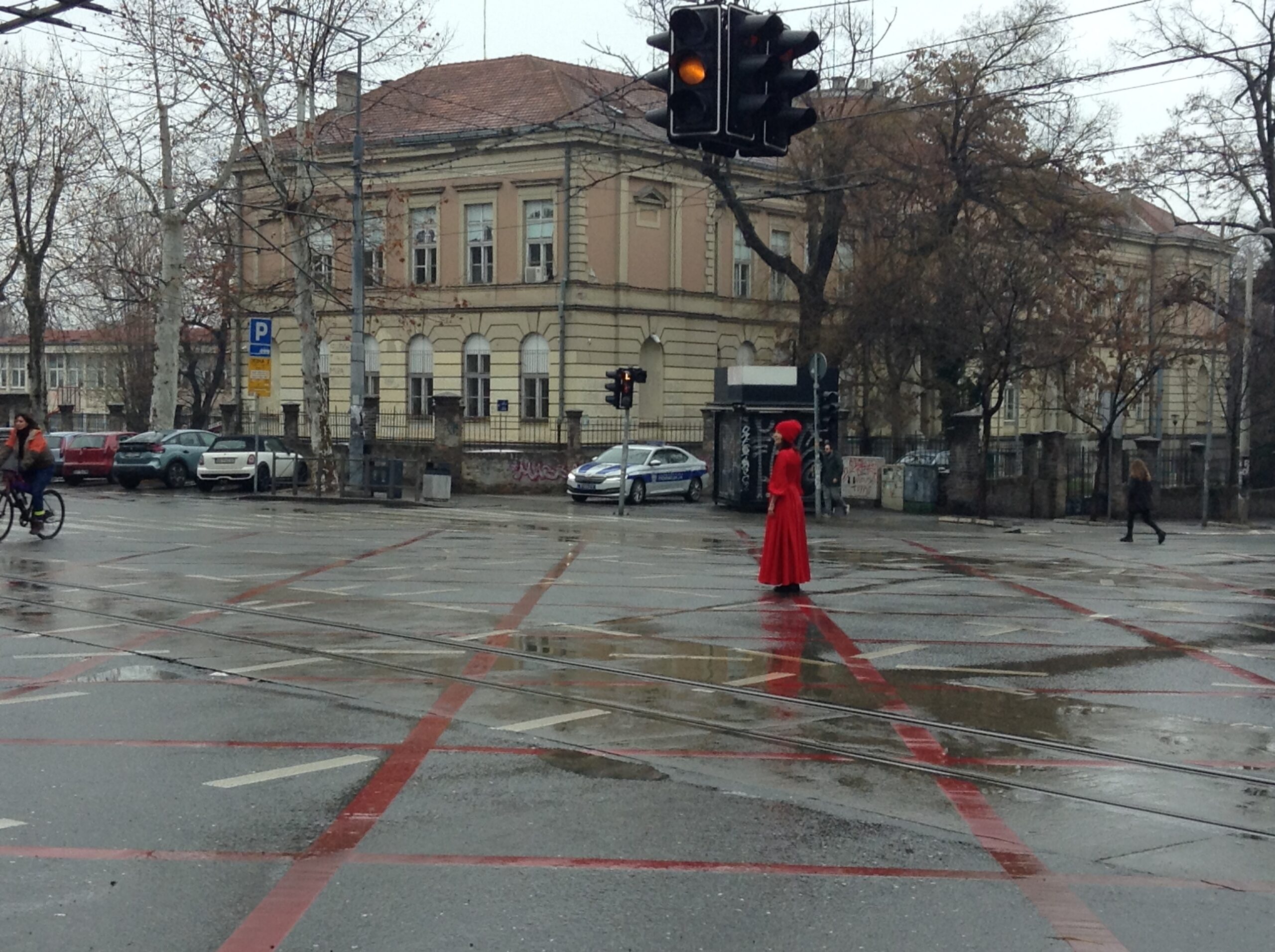
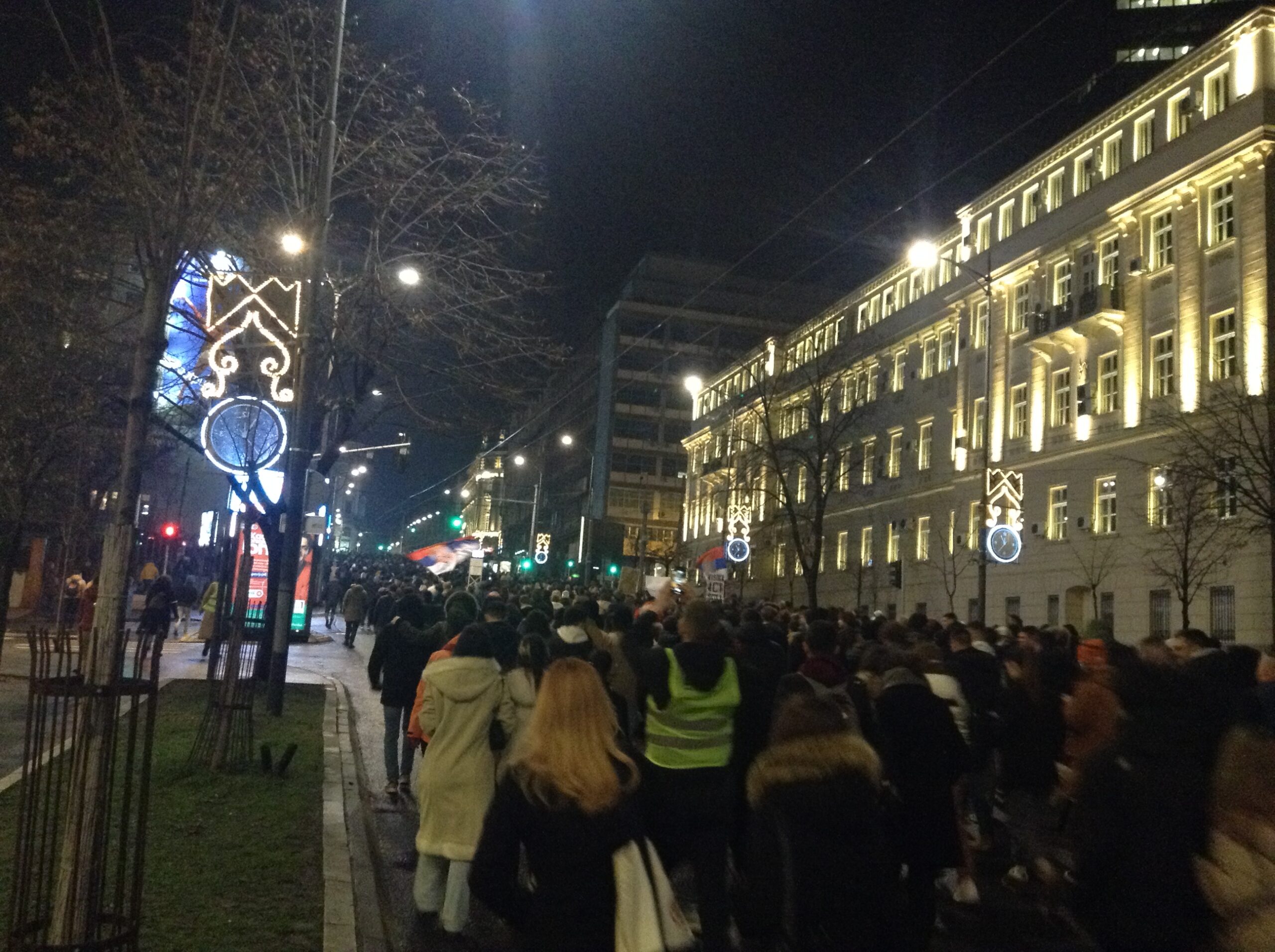
The student movement began after a canopy collapsed at Novi Sad’s railway station in November 2024, killing 16 people. Students demanded accountability. Their protests then widened into a challenge over corruption and public institutions. In that context, the movement’s move from street demonstrations to a national list tested whether it could turn public mobilisation into governing power.
What happens next
RIK’s processed records and formal announcements will determine the official outcome. Serbia’s election law sets out how preliminary results follow processed polling-station records and how the commission determines the final result. Until that process ends, Vučić’s concession is a major political signal, but the seat totals remain provisional.

Sources: Reuters: Vučić’s concession and seat estimate; Associated Press: concession and election context; Tanjug/24sedam: early tally citing 203 processed stations; Serbian government: polling stations and voter totals; CRTA: election system and observation; Serbia’s Law on the Election of Members of Parliament. Both photos are archival images from January 2025, not election-night scenes.