

Sean Ragon Biography: Life, Music and Career of Cult of Youth Frontman Who Died at 45

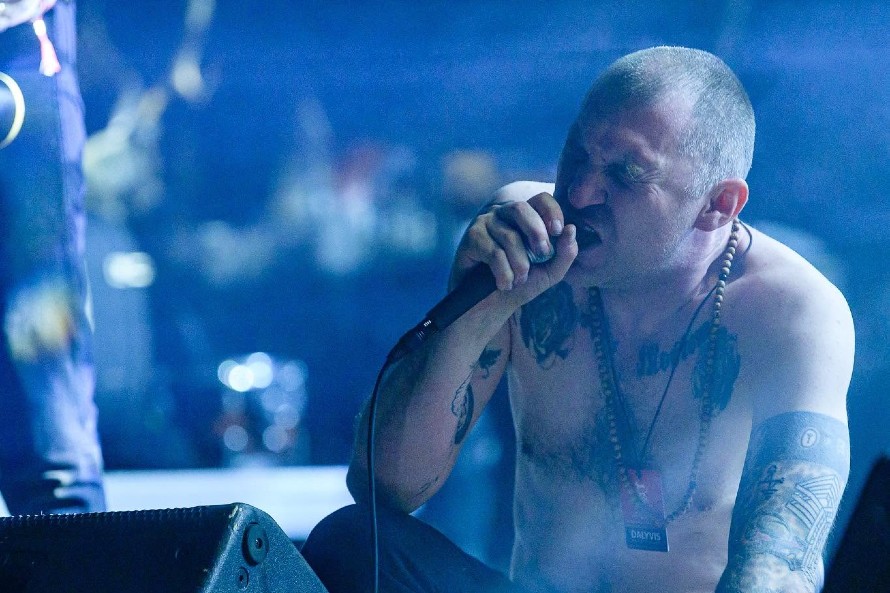
Sean Ragon, the American musician and founder of the experimental rock band Cult of Youth, has died at the age of 45.
Ragon, who was born in Cambridge, Massachusetts, in 1981, became known for his work as the frontman of Cult of Youth, a band that blended elements of punk, industrial, psychedelic rock and neofolk.
His death was announced by Cult of Youth on September 1, 2026. The band confirmed his passing but did not disclose a cause of death. He was 45.
Beyond his work with Cult of Youth, Ragon was involved in several areas of the underground music scene, including record-store ownership, independent music production and other experimental music projects.
Who was Sean Ragon?
Sean Ragon was born in Cambridge, Massachusetts, to Philip “Terry” Ragon and Susan Ragon. He developed an interest in music at an early age and began performing in punk bands during the late 1990s.
His early musical work included performances with local punk groups such as Class Action and Wreckage.
He later explored electronic and experimental music under the name Axiomata and around 2010 briefly played bass for Love As Laughter, an indie band from Olympia, Washington.
Those early experiences in punk, electronic and experimental music would eventually influence the sound of his best-known project, Cult of Youth.
How did Sean Ragon start Cult of Youth?
Ragon founded Cult of Youth as a solo project in the late 2000s.
The project initially grew out of his interest in combining the energy of punk with darker folk and industrial sounds. His early recordings drew influence from neofolk, goth, punk and industrial music, including the work of influential British industrial group Throbbing Gristle.
What began largely as a bedroom recording project eventually developed into a full band.
By 2011, Cult of Youth had signed with Sacred Bones Records, the Brooklyn independent label known for its roster of experimental and alternative artists.
The band’s self-titled album was released in 2011, followed by Love Will Prevail in 2012 and Final Days in 2014.
What kind of music did Sean Ragon make?
Cult of Youth’s music was difficult to place within a single genre.
The band incorporated elements of neofolk, punk, post-punk, industrial music and psychedelic rock, with Ragon’s deep vocals becoming one of its defining features.
Although critics frequently associated the band with neofolk, Ragon resisted being restricted to the label.
In a 2014 interview, he described Cult of Youth simply as a rock band, specifically pointing towards psychedelic rock. He also said he believed the band’s importance extended beyond its sound to the ideas behind its music and its relationship with audiences.
That willingness to cross genres became one of the defining characteristics of his career.
Sean Ragon’s record-store career
Ragon’s influence on underground music extended beyond performing.
In 2009, he opened Heaven Street Records in Brooklyn. The record shop also contained a recording space and became a gathering point for musicians and members of New York’s underground music community.
The business later changed its name to Material World Records in 2016 and became Nexus Records in 2025.
Ragon also operated Blind Prophet Records, an independent label associated with several underground music projects.
His involvement in physical music culture was significant at a time when streaming services were rapidly changing how people discovered and consumed music.
Sean Ragon’s other music projects
Cult of Youth was Ragon’s most recognised project, but it was far from his only musical outlet.
He was involved in several experimental projects and collaborations during his career.
After spending time in Berlin, he developed Venerence, a dark electronic solo project. He was also involved in the electronic noise duo Nervenklinik and worked with the experimental collective Future Blondes.
In 2016, Ragon performed as a touring member of Psychic TV, the experimental group associated with the late Genesis P-Orridge.
He was also involved in the power electronics project Comandos Omega.
These projects demonstrated the breadth of his interests beyond Cult of Youth’s core sound.
What was Sean Ragon’s last album?
Cult of Youth’s final album was With Open Arms, released in 2022.
The album was assembled from recording sessions held in Vermont in 2015 and featured contributions from Jeff Berner, Ragon’s collaborator from Psychic TV.
The album was released through Hospital Productions and became the final Cult of Youth studio album released during Ragon’s lifetime.
Before With Open Arms, Cult of Youth had released three albums through Sacred Bones: Cult of Youth in 2011, Love Will Prevail in 2012 and Final Days in 2014.
Sean Ragon and the underground music scene
Ragon’s career was largely built outside the mainstream music industry.
His work connected several parts of the American underground scene, including punk, industrial, experimental electronic music and folk-influenced rock.
In a 2014 interview, he spoke about music as a means of exploring ideas, challenging assumptions and connecting with people.
He also viewed touring as an important part of Cult of Youth’s identity, arguing that the band’s relationship with audiences was as significant as its recordings.
That philosophy was reflected in a career that involved not only making records but also running a record store, operating a label and collaborating with musicians across different genres.
What was Sean Ragon’s cause of death?
Sean Ragon’s cause of death has not been publicly disclosed.
Cult of Youth announced his death but did not provide details about the circumstances. Music publications reporting his death have likewise said that no cause had been reported.
Ragon was 45 years old.
Sean Ragon’s legacy
Sean Ragon leaves behind a body of work that stretches beyond the albums released under the Cult of Youth name.
From his beginnings in punk bands in Massachusetts to the creation of Cult of Youth, his work in Brooklyn’s independent music scene and his later electronic and experimental projects, Ragon spent much of his career exploring music outside conventional boundaries.
Cult of Youth eventually grew from a solo recording project into an internationally recognised underground band, while Ragon’s record-store and label work helped him remain connected to the independent music community.
His death at 45 brings an end to a career that crossed punk, industrial, folk, electronic and psychedelic music.
For followers of underground music, however, his recordings and the community he helped build remain an enduring part of his legacy.