

Court convicts ex-power Minister Saleh Mamman over N33.8bn fraud as Mambilla power project scandal deepens

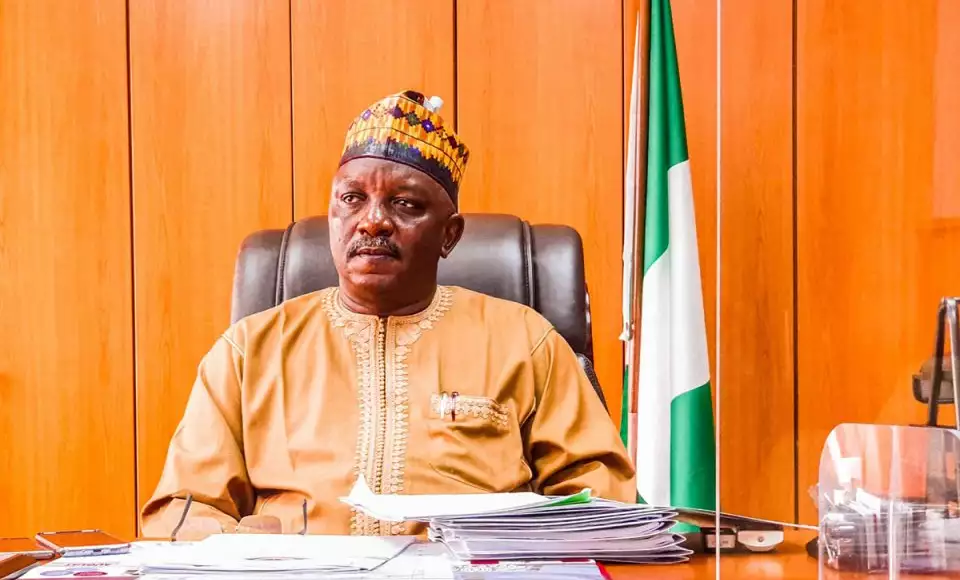
Saleh Mamman
Saleh Mamman has been convicted by a Federal High Court in Abuja over a massive fraud case involving the diversion of funds meant for Nigeria’s controversial Mambilla and Zungeru hydroelectric power projects.
Justice James Omotosho convicted the former minister on all 12 counts filed against him by the Economic and Financial Crimes Commission over allegations of money laundering and criminal breach of trust totaling N33.8 billion.
The conviction has once again brought national attention to the troubled Mambilla Hydroelectric Power Project, a multi-billion-dollar electricity project that has remained stalled for decades despite repeated government funding and policy promises.
How EFCC Prosecuted Saleh Mamman Over Alleged Fraud
According to court documents, the EFCC accused Mamman of conspiring with ministry officials and private companies to divert funds allocated to the Mambilla and Zungeru hydroelectric projects during his tenure as minister under former President Muhammadu Buhari.
The anti-graft agency alleged that the former minister indirectly converted N33.8 billion through various private channels and Bureau de Change operators.
Prosecutors told the court that some of the funds were converted into foreign currencies and handed directly to the defendant.
One of the charges also involved a cash payment reportedly worth over $655,000 used to purchase landed property in Abuja without passing through any financial institution, which the court ruled violated Nigeria’s Money Laundering Act.
Justice Omotosho stated that the prosecution successfully established its case beyond reasonable doubt after calling 17 witnesses and presenting 43 exhibits before the court.
“The evidence of the prosecution is overwhelming,” the judge reportedly held during the ruling.
Court Issues Arrest Warrant After Mamman Misses Judgment
A dramatic twist emerged during the judgment proceedings as Mamman failed to appear in court.
His lawyer informed the court that efforts to contact the former minister had been unsuccessful and later claimed he was ill. However, no medical report was presented to support the explanation.
The EFCC opposed any delay in delivering judgment and urged the court to proceed.
Justice Omotosho rejected the request for adjournment and subsequently issued a bench warrant for Mamman’s arrest after convicting him on all counts.
The court fixed May 13, 2026, for sentencing.
The judge also referenced reports suggesting Mamman had recently participated in political activities linked to the Taraba State governorship race, raising questions about claims surrounding his absence.
Mambilla Power Project Returns to National Spotlight
The conviction has reignited public concern over the long-delayed Mambilla Hydroelectric Power Project, which was designed to become Nigeria’s largest power plant with a projected 3,050 megawatts capacity.
The project, located in Taraba State, has remained largely stalled for more than 40 years despite billions of naira reportedly spent on contracts, studies, consultants, and arbitration cases.
Experts believe the project could significantly improve Nigeria’s electricity generation and help stabilize the national grid if completed.
The Mambilla project was initially awarded in 2003 under the administration of former President Olusegun Obasanjo through a Build-Operate-Transfer agreement.
However, multiple legal disputes, contract controversies, and international arbitration battles have delayed implementation for decades.
READ ALSO
El-Rufai in fresh legal storm: ICPC arraigns Ex Governor as Court grants ₦200m bail
Arbitration Battles and Corruption Allegations Continue
The federal government has also faced international legal disputes involving Sunrise Power and Transmission Company Limited, which claims ownership rights tied to the original Mambilla contract.
The dispute escalated to the International Court of Arbitration in Paris, where Nigeria reportedly faces multi-billion-dollar compensation claims.
Former Power Minister Olu Agunloye is also facing separate fraud-related charges connected to the project.
Energy experts say Mamman’s conviction exposes deeper structural and political problems affecting Nigeria’s electricity sector.
Analysts argue that corruption, policy inconsistencies, legal disputes, and political interference have collectively delayed one of Africa’s most ambitious power infrastructure projects.
Stakeholders React to Mamman’s Conviction
Several stakeholders in Nigeria’s energy sector welcomed the judgment, describing it as a significant step toward accountability in public infrastructure management.
Energy experts called on the government to investigate all individuals linked to the stalled project and publish detailed records of funds allocated over the years.
They also urged the Federal Government to resolve ongoing arbitration disputes and attract credible international investors capable of reviving the project.
The Tinubu administration previously suspended further funding for the Mambilla project pending the resolution of international court cases and ownership disputes.
Nigeria’s Power Crisis Still Persists
The conviction comes as millions of Nigerians continue to struggle with unstable electricity supply despite repeated government promises and major investments in the power sector.
Critics say the Mambilla scandal reflects broader governance failures that have slowed infrastructure growth and weakened public trust in Nigeria’s electricity reforms.
With sentencing now pending, attention is shifting toward whether the conviction could trigger wider investigations into past power sector transactions and delayed national projects.
FAQ
Who is Saleh Mamman?
Saleh Mamman is a former Nigerian Minister of Power who served under former President Muhammadu Buhari between 2019 and 2021.
Why was Saleh Mamman convicted?
He was convicted over allegations of money laundering and diversion of N33.8 billion linked to the Mambilla and Zungeru hydroelectric power projects.
What did the EFCC accuse Saleh Mamman of?
The EFCC accused him of conspiring with ministry officials and private companies to divert public funds meant for critical electricity infrastructure projects.
What is the Mambilla Hydroelectric Power Project?
The Mambilla project is a proposed 3,050MW hydroelectric power plant in Taraba State designed to become Nigeria’s largest electricity-generating facility.
Why is the Mambilla project controversial?
The project has faced decades of delays caused by corruption allegations, contract disputes, arbitration cases, and political controversies.
Did Saleh Mamman appear in court during judgment?
No. The former minister was absent during the judgment proceedings, leading the court to issue a bench warrant for his arrest.
When is Saleh Mamman’s sentencing date?
The Federal High Court fixed May 13, 2026, for sentencing.
How much money was allegedly diverted?
The case involved allegations surrounding the diversion of approximately N33.8 billion meant for the Mambilla and Zungeru projects.
What impact could this conviction have on Nigeria’s power sector?
Analysts believe the judgment could intensify scrutiny of past electricity sector projects and encourage stronger accountability in public infrastructure spending.
Is the Mambilla project still active?
The project remains stalled due to ongoing legal disputes and international arbitration proceedings, although the government has expressed interest in reviving it in the future.