

Rhodes University Gastrointestinal outbreak: How over 100 students came down with stomach illness

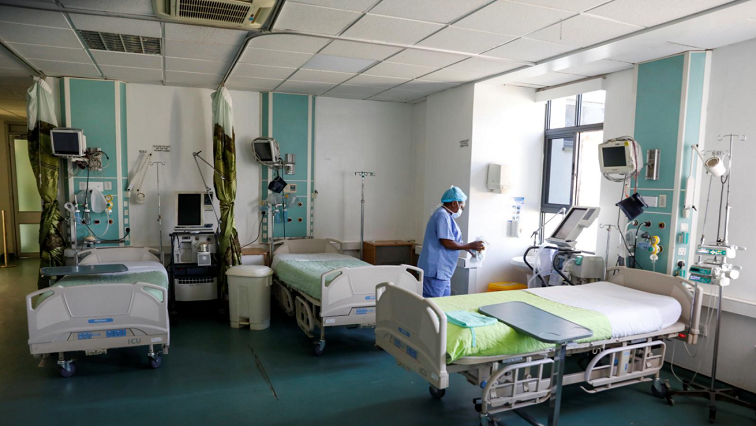
mage Credits : SABC News
More than 100 students at Rhodes University in Makhanda, Eastern Cape, have fallen ill with a gastrointestinal disease, and the source has not yet been identified. The university confirmed the cluster in a media statement on Tuesday, 20 October 2026, and says it is working with public health authorities to find out what is behind it.
What Is Known So Far
University spokesperson Olwetu Gwanya said the institution had recorded “just over 100” cases among its students. Media reports have put the number at a minimum of 109. Similar cases have reportedly been seen elsewhere in Makhanda, which suggests the problem may reach beyond the campus.
The cause has not been determined. Rhodes says it is working with local public health authorities and environmental health practitioners to establish both the source and the full scope of the outbreak. No official finding has been announced, so any claim about a specific cause at this stage is speculation.
Symptoms to Watch For
The university has urged anyone with diarrhoea, vomiting, stomach cramps or fever to stay hydrated with safe fluids and seek medical advice. People with severe symptoms should get urgent medical attention.
What Rhodes Is Doing
The university has set out several steps on campus:
- Urgent water-quality testing at residences
- Safe drinking water supplied in dining halls
- Extra precautions in food preparation
- Monitoring of reported cases, with medical support coordinated for affected students
Precautions for Students and Residents
Students and residents have been advised to take the following steps while the investigation continues:
- Drink boiled and cooled water, or bottled water
- Use safe water for preparing food and brushing teeth
- Avoid ice and uncooked food that may have been washed in untreated water
- Wash hands regularly with soap and water
Not the Only Outbreak in the Country
Reports have linked attention on the Makhanda cluster to a separate outbreak in Bronkhorstspruit, in Tshwane, where at least 408 cases of gastrointestinal illness have been recorded. That outbreak followed a period in which the Bronkhorstspruit Water Treatment Plant ran without chlorine from 24 September to 14 October because of a supply shortage. President Cyril Ramaphosa apologised to affected residents, saying: “We are very sorry that it has resulted in the challenge of gastrointestinal illness that has affected a number of people.”
There is no confirmed link between the Tshwane outbreak and the one in Makhanda. The two are separate investigations, and the cause of the Rhodes cluster remains open.
Why Water Quality Is Under the Spotlight
Water testing is the first measure the university announced, which reflects how often contaminated water sits behind clusters like this. Makhanda has also had a long history of water-quality concerns, including boil-before-drinking notices in recent years. Whether water played any role in this particular outbreak is exactly what the testing is meant to establish, and officials have not said so.
What Happens Next
The immediate questions are how many more students and residents fall ill, what the water tests show, and whether health officials identify a single source. Further updates are expected from the university and public health authorities as the investigation progresses.
FAQ
How many Rhodes University students have fallen ill? The university says it has recorded just over 100 cases among students. Media reports have put the figure at no fewer than 109.
What is causing the illness? The cause has not been determined. Rhodes University is working with local public health authorities and environmental health practitioners to find the source.
What are the symptoms? Diarrhoea, vomiting, stomach cramps and fever. Anyone with severe symptoms should seek urgent medical attention.
What is Rhodes University doing about the outbreak? It is testing water at residences, providing safe drinking water in dining halls, taking extra precautions in food preparation, and monitoring cases while coordinating medical support for affected students.
Is the water safe to drink in Makhanda? That is still being established. In the meantime, the advice is to drink boiled and cooled or bottled water and to use safe water for food preparation and brushing teeth.
Is this linked to the Bronkhorstspruit outbreak? No link has been confirmed. Bronkhorstspruit, in Tshwane, is a separate outbreak with at least 408 cases, which followed a period without chlorine at its water treatment plant.
How can I protect myself? Wash your hands regularly with soap and water, avoid ice and uncooked food washed in untreated water, and stay hydrated with safe fluids if you feel unwell.