

Who is Rachel Jupp? Her BBC career and experience behind the new BBC news role

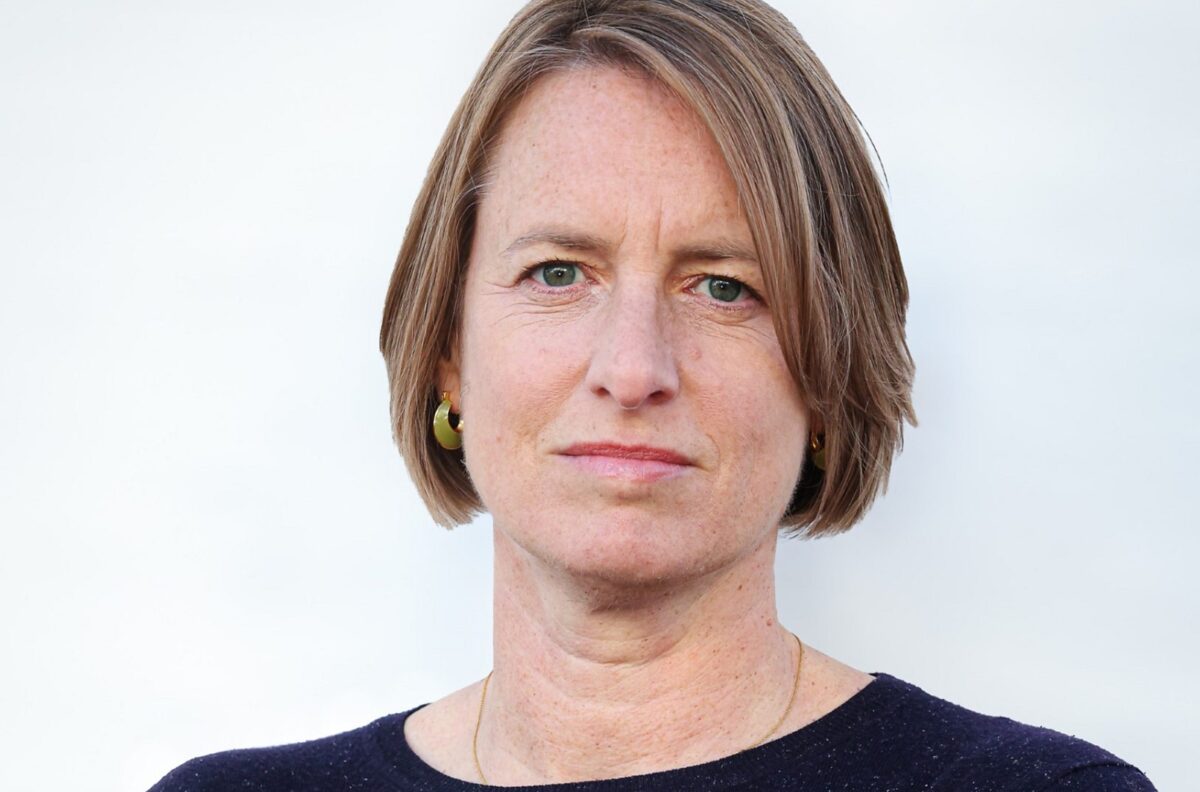
Rachel Jupp. Credit: BBC
Rachel Jupp has spent more than two decades working behind some of Britain’s biggest television news and current affairs programmes. Now, she is taking on one of the most influential jobs in British journalism.
The BBC has appointed Jupp as its new director of news and current affairs, putting her in charge of a global news operation at a particularly difficult moment for the broadcaster.
Her appointment comes after months of uncertainty following Deborah Turness’s departure and as the BBC faces questions about editorial impartiality, declining trust in news, financial pressure and the rapid transformation of how audiences consume information.
Jupp is not a newcomer to difficult editorial assignments. Her career has included senior positions at Channel 4 News, BBC Newsnight and Panorama, as well as more recent work overseeing documentaries, long-form journalism and the BBC’s approach to artificial intelligence.
Her experience helps explain why she has been handed the job.
Who is Rachel Jupp?
Rachel Jupp is a British journalist and senior BBC editorial executive with more than 20 years of experience in television news and current affairs.
She joined the BBC in 2013 after spending about nine years at ITN, where she worked for Channel 4 News and rose to become head of home news.
At the BBC, she became deputy editor of Newsnight before being appointed editor of Panorama in 2016.
Jupp is now moving into the top news role, where she will oversee approximately 4,500 people working across BBC News and Current Affairs.
The appointment also places her on the BBC’s Executive Committee.
What is Rachel Jupp’s educational background?
Jupp studied social and political sciences at King’s College, Cambridge before completing a master’s degree in public administration at Columbia University in New York.
Her route into journalism was not entirely conventional.
After university, she spent time working at the Demos thinktank before moving to the United States, where she became an intern with ITN during the period surrounding the 2004 US presidential election.
That experience helped push her towards television journalism.
Rather than becoming an on-screen presenter, Jupp became interested in the editorial and production side of television — the work involved in deciding which stories to pursue, how investigations should be structured and how programmes should be produced.
Rachel Jupp’s career at Channel 4 News
Jupp began her television journalism career at Channel 4 News, working as a producer.
She progressed through the organisation and eventually became its head of home news, giving her responsibility for a significant part of its domestic news operation.
Her time at Channel 4 gave her experience covering major political and social stories before she moved to the BBC in 2013.
That background is important to her new role because BBC News is not simply a television operation. It now spans television, radio, websites, apps, social media and other digital platforms.
Rachel Jupp at BBC Newsnight
Jupp joined the BBC as deputy editor of Newsnight.
The role placed her inside one of Britain’s best-known current affairs programmes at a time when it was dealing with significant editorial challenges.
During her time at Newsnight, she was involved in major investigations and political coverage, including election and referendum programming.
Her experience on the programme gave her a reputation for handling complicated and politically sensitive journalism before she moved to another of the BBC’s most prominent programmes.
She became Panorama’s second female editor
In 2016, Jupp was appointed editor of Panorama, the BBC’s flagship investigative and current affairs programme.
The appointment was historic because she became only the second woman to hold the position in the programme’s long history.
Panorama has traditionally dealt with investigations involving politics, public institutions, businesses and other powerful organisations.
During her time as editor, Jupp was associated with the programme’s investigative approach and its role in holding people and institutions to account.
She also handled politically sensitive coverage, including a 2019 Panorama investigation into allegations of antisemitism within the Labour Party.
That experience is one reason her appointment as BBC News chief is being viewed as a choice rooted heavily in editorial judgement rather than simply management experience.
READ ALSO
Rachel Jupp’s role in BBC documentaries and long-form journalism
Before becoming BBC News director, Jupp served as director of BBC News documentaries and long-form journalism.
The position placed her at the centre of the broadcaster’s work on major documentaries and extended investigations.
It was also another troubleshooting role.
The Guardian reported that the position was created after the BBC found that a documentary about children in Gaza had breached its editorial guidelines for accuracy because it failed to disclose that the child narrator was the son of a Hamas official.
Jupp had been in the documentaries and long-form role for less than a year when she was selected to lead BBC News.
Rachel Jupp’s experience with artificial intelligence
One of the less obvious parts of Jupp’s experience is her work on artificial intelligence and journalism.
Over the past three years, she has helped develop and lead the BBC’s approach to AI, including work carried out while she was based in the United States.
That experience could become increasingly important in her new job.
News organisations are dealing with AI-generated material, automated production tools, synthetic images and video, misinformation and changing search and social-media habits.
The BBC is also trying to reach audiences who increasingly consume news through short-form video platforms rather than traditional television broadcasts.
Jupp therefore arrives with experience in an area that will increasingly shape the future of newsroom operations.
Why was Rachel Jupp chosen to lead BBC News?
Jupp was selected from a shortlist of candidates that included Jonathan Munro, who had been serving as interim head of BBC News, and Channel 4 News editor Esme Wren.
BBC director-general Matt Brittin praised Jupp’s news judgement, fairness and editorial standards.
Her selection also reflects the problems facing the BBC.
The broadcaster is dealing with questions over impartiality and public trust while simultaneously trying to modernise its journalism and reduce costs.
Jupp’s background combines investigative journalism, newsroom leadership, editorial standards and technology.
That combination may explain why the BBC opted for an experienced editorial figure rather than simply choosing someone whose career had been focused on managing a large newsroom.
What challenges will Rachel Jupp face as BBC News chief?
Jupp takes over a BBC News operation facing several major challenges.
The first is trust.
The BBC has faced renewed scrutiny over impartiality and editorial decisions, particularly following controversy surrounding a Panorama programme that edited parts of a Donald Trump speech. The controversy contributed to the departure of Deborah Turness.
The second is the changing way people consume news.
Younger audiences increasingly encounter news through social platforms, video services and algorithm-driven feeds. Jupp has already identified the importance of reaching audiences wherever they are.
The third is financial pressure.
The BBC is undertaking significant savings and job reductions across its operations, meaning Jupp will have to balance newsroom resources with the demand for original reporting.
The fourth is AI.
She will be expected to help determine how the BBC uses emerging technology without undermining accuracy, editorial standards or audience confidence.
What does Rachel Jupp’s appointment mean for the BBC?
Jupp’s appointment signals that the BBC is looking for its next phase of leadership to combine traditional journalism with technological change.
She has experience inside some of the broadcaster’s most demanding editorial environments, but she also has direct experience with AI and digital transformation.
Her immediate task will be to restore confidence in BBC journalism while ensuring the organisation remains relevant to audiences whose news habits are changing rapidly.
Jupp has said she wants to champion independent and impartial journalism, deepen trust in the BBC and meet audiences wherever they are.
Her career suggests she has already spent much of her professional life preparing for precisely that challenge.
Frequently Asked Questions About Rachel Jupp
Who is Rachel Jupp?
Rachel Jupp is a British journalist and senior BBC editorial executive who has been appointed director of BBC News and Current Affairs. She previously worked at Channel 4 News and held senior roles at BBC Newsnight, Panorama and BBC documentaries.
What is Rachel Jupp’s new job?
She is the new director of BBC News and Current Affairs, responsible for the corporation’s news operation and its editorial direction.
How much experience does Rachel Jupp have?
Jupp has more than 20 years of experience in news and current affairs. Her career has included senior positions at Channel 4 News and the BBC.
Was Rachel Jupp the editor of Panorama?
Yes. Jupp became editor of Panorama in 2016 and was only the second woman to hold the position in the programme’s history.
What did Rachel Jupp do before becoming BBC News director?
Before taking the top BBC News role, Jupp was director of BBC News documentaries and long-form journalism. Earlier in her BBC career, she served as deputy editor of Newsnight, editor of Panorama and editorial executive for BBC Content.
Did Rachel Jupp work for Channel 4 News?
Yes. She began her television journalism career at Channel 4 News and eventually became its head of home news.
Where did Rachel Jupp study?
Jupp studied social and political sciences at King’s College, Cambridge and later completed a master’s degree in public administration at Columbia University in New York.
Has Rachel Jupp worked on artificial intelligence?
Yes. She has played a leading role in developing the BBC’s approach to artificial intelligence over the past three years, including work while based in the United States.
How many people will Rachel Jupp oversee at BBC News?
She will oversee a BBC News and Current Affairs operation of approximately 4,500 people.
What challenges does Rachel Jupp face at the BBC?
Her major challenges include rebuilding audience trust, dealing with questions around impartiality, adapting BBC journalism to social and digital platforms, managing financial pressure and deciding how the BBC should use artificial intelligence.
Who did Rachel Jupp replace at BBC News?
Jupp succeeds Deborah Turness, who stepped down after controversy surrounding the BBC’s handling of a Panorama programme featuring an edited Donald Trump speech. Jonathan Munro had been serving as interim director of BBC News before Jupp’s appointment.
Is Rachel Jupp the first woman to lead BBC News?
Jupp’s appointment makes her the latest woman to occupy a senior leadership role in BBC News, but she is not the first woman to lead the BBC’s news operation. Her earlier appointment as Panorama editor was notable because she was only the second woman to hold that specific position.