

Tinubu sacks NMDPRA boss, nominates Rabiu Umar: What this means for Nigeria’s fuel crisis

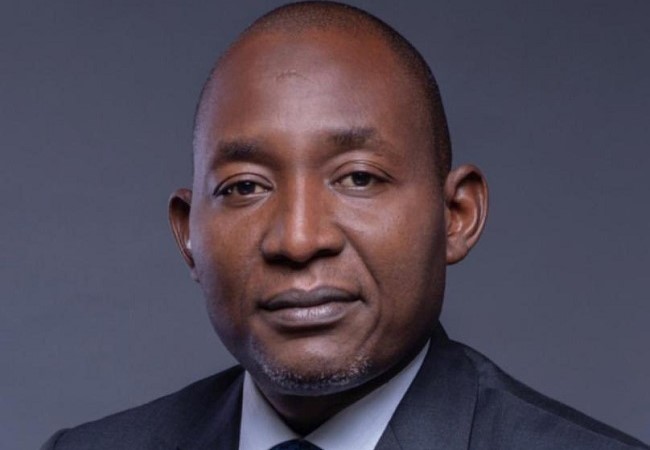
Tinubu nominates Rabiu Umar as NMDPRA CEO
In a major shake-up within Nigeria’s energy sector, President Bola Ahmed Tinubu has approved the removal of the Chief Executive Officer of the Nigerian Midstream and Downstream Petroleum Regulatory Authority (NMDPRA), Saidu Mohammed, and nominated Rabiu Umar Abdullahi as his successor.
The decision, announced on April 29, 2026, comes amid mounting concerns over fuel pricing, regulatory transparency, and broader challenges in Nigeria’s petroleum sector.
Why Tinubu Removed the NMDPRA Chief Executive
The presidency confirmed that the removal of Saidu Mohammed was made “in the public interest,” barely four months after his appointment in December 2025.
The development coincides with rising tensions in the aviation sector over the soaring cost of Jet A1 fuel, which airline operators warned could disrupt operations nationwide. Reports indicate that aviation fuel prices surged dramatically, sparking disputes between regulators, marketers, and operators.
Additionally, the controversy surrounding fuel import licensing, particularly disagreements involving industry stakeholders such as Aliko Dangote, has intensified scrutiny of the regulatory body.
Analysts suggest that the leadership change signals the government’s intent to restore confidence, improve oversight, and address inefficiencies within the downstream petroleum space.
Rabiu Umar: Profile of the New NMDPRA Nominee
Rabiu Abdullahi Umar, the newly nominated CEO of NMDPRA, brings over 25 years of experience across energy, manufacturing, and infrastructure sectors.
A graduate of Bayero University with a background in Accounting and an alumnus of Harvard Business School, Umar is widely regarded as a seasoned executive with strong credentials in strategic leadership and operational transformation.
His career spans notable roles across major corporations. He previously worked with Oando Plc, where he held key management positions and contributed to sales and marketing transformation initiatives.
He later joined Dangote Cement Plc as Group Sales and Marketing Director, before becoming Managing Director and CEO of Ashaka Cement Plc. During his tenure, he reportedly led a turnaround strategy that stabilised the company.
Umar also served as Group Chief Commercial Officer at Dangote Industries, further strengthening his experience in large-scale business operations.
What the Appointment Means for Nigeria’s Petroleum Sector
The nomination of Rabiu Umar is being viewed as a strategic move aimed at injecting private-sector expertise into public regulatory functions.
According to the presidency, the decision aligns with the goals of the Petroleum Industry Act (PIA) 2021, which seeks to enhance efficiency, transparency, and accountability across Nigeria’s oil and gas value chain.
Experts believe Umar’s extensive experience in both the downstream petroleum sector and manufacturing could help address key issues such as:
- Fuel pricing inconsistencies
- Regulatory bottlenecks
- Supply chain inefficiencies
- Investment confidence in the sector
His leadership is expected to play a critical role in stabilising the industry, particularly at a time when Nigeria is grappling with energy security challenges and economic pressures.
READ ALSO
Pending Senate Confirmation and Interim Leadership
Despite the announcement, Rabiu Umar’s appointment remains subject to confirmation by the Nigerian Senate.
In the interim, the presidency has directed that the most senior official within the NMDPRA oversee operations in an acting capacity to ensure continuity.
This transitional arrangement is expected to maintain regulatory stability while the confirmation process unfolds.
Tinubu’s Broader Energy Reform Agenda
President Tinubu reiterated his administration’s commitment to strengthening key regulatory institutions to drive sustainable economic growth.
The leadership change at NMDPRA is part of a broader reform agenda focused on:
- Enhancing energy security
- Driving sector-wide reforms
- Promoting transparency in petroleum operations
- Encouraging private sector participation
Observers note that decisive actions such as this signal a willingness by the administration to make swift changes in response to sector challenges.
A Defining Moment for Nigeria’s Oil and Gas Regulation
The nomination of Rabiu Umar marks a significant turning point for Nigeria’s petroleum regulatory framework.
With growing pressure to resolve fuel pricing disputes and improve sector governance, all eyes will be on Umar’s confirmation and subsequent policy direction.
As Nigeria navigates a complex energy landscape, effective leadership at the NMDPRA will be crucial in shaping the future of the country’s oil and gas industry.
FAQ
Why did Tinubu sack the NMDPRA CEO?
The removal was made in the public interest amid rising concerns over fuel pricing, regulatory challenges, and sector disputes.
Who is Rabiu Umar?
Rabiu Abdullahi Umar is a seasoned executive with over 25 years of experience in energy, manufacturing, and infrastructure sectors.
What is NMDPRA?
The Nigerian Midstream and Downstream Petroleum Regulatory Authority regulates petroleum operations, including fuel pricing and distribution.
Is Rabiu Umar officially the new CEO?
Not yet. His appointment is subject to confirmation by the Nigerian Senate.
What experience does Rabiu Umar have?
He has worked with Oando Plc, Dangote Cement, and Dangote Industries, holding senior leadership roles.
How does this affect fuel prices in Nigeria?
The leadership change could influence policies aimed at stabilising fuel prices and improving supply chain efficiency.
What is the Petroleum Industry Act (PIA)?
The PIA is a law designed to reform Nigeria’s oil and gas sector, improving transparency and efficiency.
Why is Jet A1 fuel price important?
Jet A1 fuel affects airline operations. Rising prices can lead to increased ticket costs or flight disruptions.
What happens next after the nomination?
The Senate will review and either confirm or reject Rabiu Umar’s appointment.
How does this impact Nigeria’s economy?
Effective regulation of the petroleum sector is critical for economic stability, investment, and energy security.